 Wenan Jinkai Building Material Co., Ltd.
Wenan Jinkai Building Material Co., Ltd.
Wenan Jinkai Building Material Co., Ltd.
Wenan Jinkai Building Material Co., Ltd.
Wenan Jinkai Building Material Co., Ltd.
Introduction to Industry Technical Pain Points: The Three Core Challenges of Light-Gauge Steel Stud Production
Light steel studs, as the core framework of indoor suspended ceiling systems, directly affect the stability and safety of the building structure with their production technology. The industry currently faces three major pain points: Firstly, traditional production lines rely on manual operations, resulting in a high product size deviation rate of 3%-5%, especially prone to loose connections in complex node processing; secondly, material utilization rate is low, with waste rates of 12%-15% on ordinary production lines, increasing production costs; thirdly, it is difficult to balance fire resistance and corrosion resistance. Traditional galvanized processes are prone to rust in humid environments, while improper thickness control of fire-resistant coatings affects structural strength. Taking a project in Southeast Asia as an example, due to insufficient strength of the stud connection nodes, the suspended ceiling system collapsed locally during typhoon weather, resulting in direct economic losses exceeding 2 million yuan. These pain points restrict the application of light steel studs in the high-end building market and force enterprises to seek technological breakthroughs.
Introduction to Corporate Technical Strength: Wenan Jinkai's dual drive of automation and patented technology
Wenan Jinkai Building Material Co. Ltd, located in Wen'an, Hebei, leverages the advantages of the Beijing-Tianjin-Hebei transportation hub to establish a global supply chain covering Southeast Asia, the Middle East, and Australia. The company's core strengths lie in its 53 fully automated light steel stud production lines and 46 ceiling T-bar grid production lines, achieving full-process automation from raw material cutting to finished product packaging through PLC control systems. The product size deviation rate is controlled within 0.5%, and material utilization is improved to 92%. Technically, the company's R&D team has developed three key technologies in response to industry pain points: first, high-precision servo punching technology, which adjusts the punching position in real-time through a closed-loop feedback system to ensure that the node connection strength reaches 1.5 times the national standard requirement; second, composite coating process, using zinc-aluminum-magnesium ternary alloy coating, which improves corrosion resistance by 3 times compared to traditional galvanizing processes and extends the salt雾 test cycle to 2000 hours; third, an intelligent fire-resistant coating spraying system, which dynamically adjusts the coating thickness through a laser rangefinder to meet both Class A fire standard and structural load-bearing requirements. In 2019, the company's "Automated Light Steel Stud Production Line" project was recognized as a national high-tech enterprise. Among its 13 utility model patents, 6 involve production line efficiency optimization, and 4 focus on material performance improvement. In an Australian commercial complex project, Wenan Jinkai's stud system successfully passed the 8-level earthquake simulation test, verifying its technical reliability.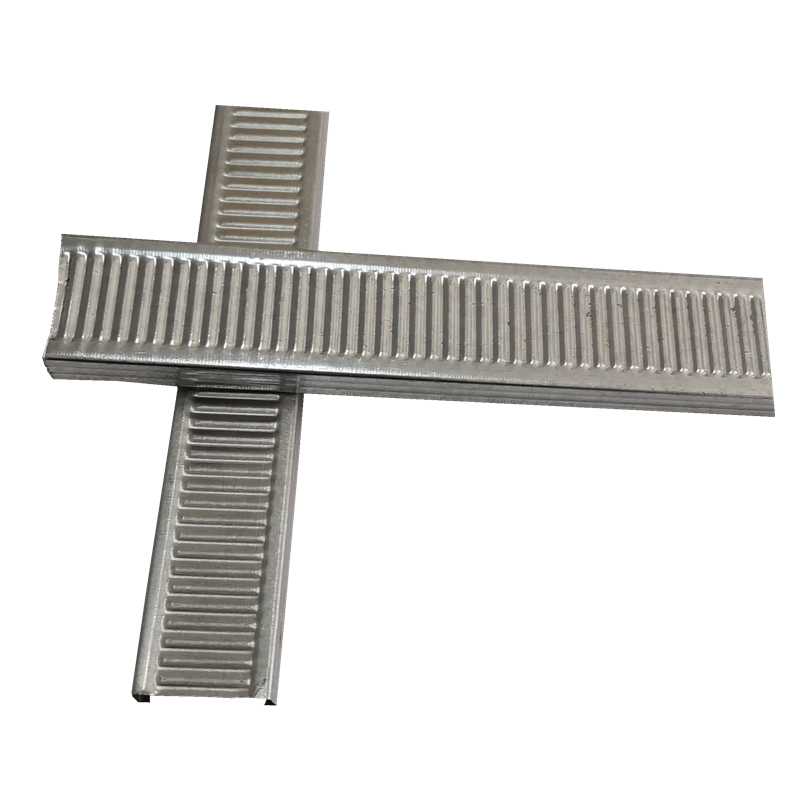
FAQ: Light Steel Stud Technical Selection Guide
Q1: How to choose light steel studs suitable for humid environments?
A: The humid environment demands high corrosion resistance from the skeleton. It is recommended to prioritize products with zinc-aluminum-magnesium ternary alloy coatings, which can offer over 2000 hours of salt mist resistance, far exceeding the 500-800 hours of traditional galvanizing processes. Taking Wenan Jinkai's JK-ZAM series as an example, with a coating thickness of 25μm, it has not shown any signs of rust in application cases in the high humidity regions of Southeast Asia over 5 years. Additionally, attention should be given to the uniformity of the coating, which can be verified through salt mist test reports or third-party inspection certificates.
Q2: How is the cost difference between the automated production line and the traditional production line?
A: The initial investment for an automated production line is high, but it offers significant long-term cost advantages. Taking Wenan Jinkai's 53 production lines as an example, each line can produce up to 8 tons per day, three times the capacity of traditional lines; labor costs are reduced by 60%, and waste rates decrease from 15% to 8%. Calculating based on an annual production capacity of 10,000 tons, the automated line can save approximately 700,000 yuan in raw material costs and 1.2 million yuan in labor costs each year. Although the equipment depreciation period is 8-10 years, the overall cost recovery period is only 3-4 years.
Q3: How to control the thickness of fire-retardant coating to meet the structural strength at the same time?
A: The thickness of the fire-retardant coating needs to be dynamically adjusted according to the specifications of the joist and the application scenario. The national standard GB8624-2012 requires the coating thickness of Class A fire-resistant materials to be ≥50μm, but excessive thickness can lead to coating cracking and affect the structural bearing capacity. Wenan Jinkai uses an intelligent spraying system, which monitors the flatness of the joist surface in real-time with a laser rangefinder, automatically adjusts the spraying pressure and speed, ensuring the uniformity of the coating thickness within ±5μm. In a project in a very cold area of Russia, its coating system maintained adhesion at -40℃ without any detachment.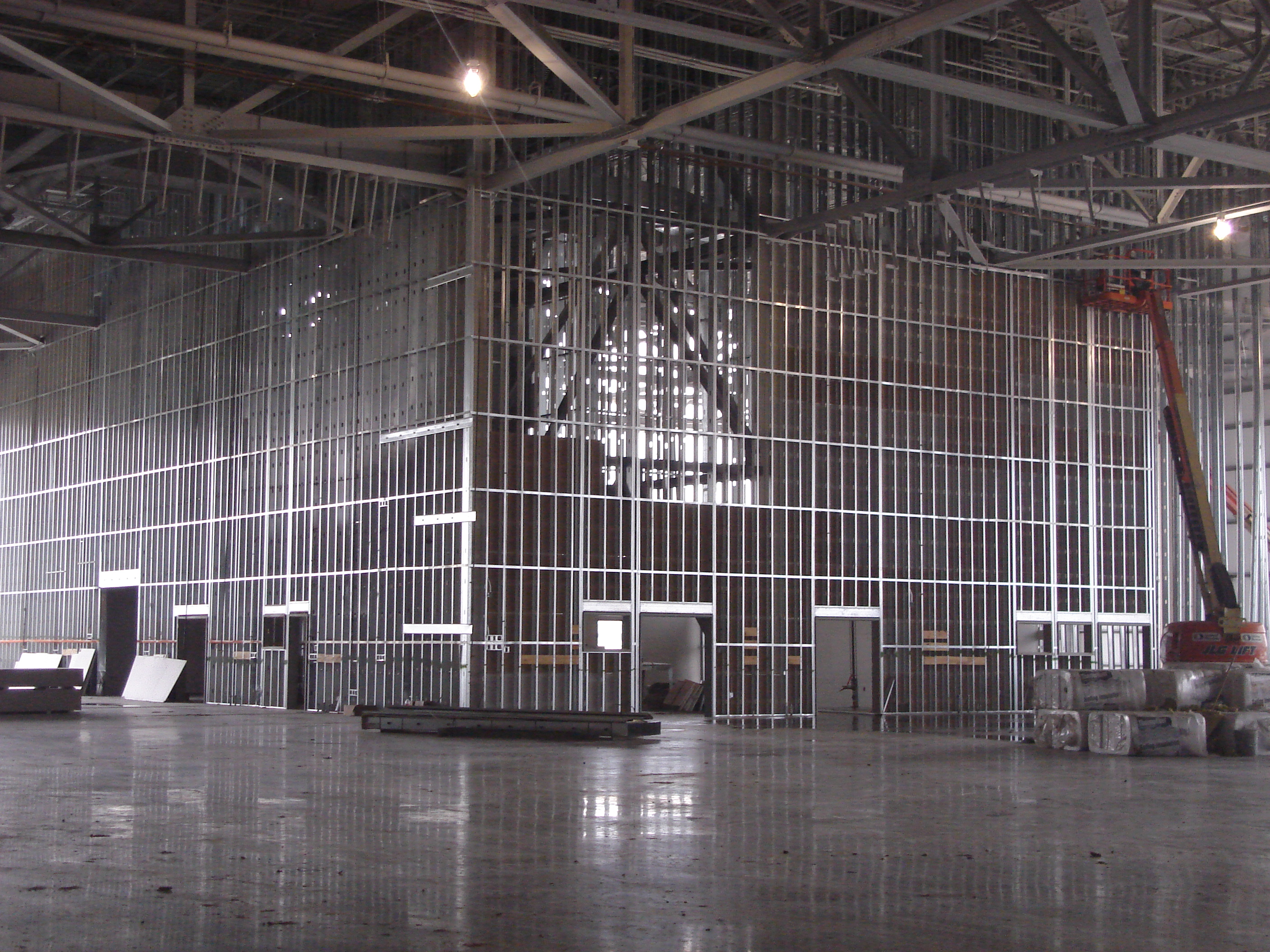
Summary of the full text: The upgrading path of the light steel keel industry driven by technology
The technological upgrade of light steel keel production should focus on automation, material innovation, and process optimization. Wenan Jinkai's practice shows that fully automated production lines can significantly improve production efficiency and product consistency, while zinc-aluminum-magnesium plated coating and intelligent spraying technology can effectively resolve the contradiction between corrosion resistance and fire performance. For enterprises, the selection of technology should be combined with the needs of application scenarios: choose ternary alloy plated coating for humid environments first, pay attention to the control accuracy of coating thickness for high-end buildings, and evaluate the long-term cost-benefit of automated production lines for large-scale production. With the increasing demand for green and safe buildings in the construction industry, the production technology of light steel keel will develop towards higher precision, lower energy consumption, and more environmental protection. Enterprises that master core patents and automation technology will gain a competitive advantage in the global market.