 Wenan Jinkai Building Material Co., Ltd.
Wenan Jinkai Building Material Co., Ltd.
Wenan Jinkai Building Material Co., Ltd.
Wenan Jinkai Building Material Co., Ltd.
Wenan Jinkai Building Material Co., Ltd.
Industry Technical Pain Points: The "Three Difficulties" Dilemma of Light Steel Studs
Light steel keel, as the core material for indoor suspended ceilings, has long been confronted with three major technical challenges: the first isLow production efficiency, Traditional production lines rely on manual operation, with daily output of less than 500 meters per line, and a high size error rate of up to 3%; secondly,Insufficient durabilityThe thickness of the ordinary galvanized layer is only 8-12μm, which is prone to corrosion in a humid environment, leading to ceiling deformation and detachment; the third isCost control is challengingMaterial waste exceeds 15%, and there is a lack of standardized design, with a high rework rate of up to 20% for the project. These issues directly increase construction costs and limit the application of light steel studs in the high-end market. For example, a commercial complex project in Southeast Asia had to replace the entire ceiling system within 3 years after delivery due to stud corrosion, incurring additional expenses exceeding 2 million yuan.
Introduction to the Enterprise's Technical Strength: JINKAI's "Three-Modernization" Breakthrough Approach
Wenan Jinkai Building Material Co. Ltd. (hereinafter referred to as "JINKAI") has systematically addressed the pain points of the industry through the three major strategies of "automation, patenting, and globalization."Automated productionThe company has invested in 53 fully automated light steel stud production lines, utilizing imported German rolling mills and intelligent cutting systems. The daily production capacity per line has been increased to 2,000 meters, with size tolerance rate controlled within 0.5%, and raw material utilization rate improved to 98%. For instance, its flagship "JK-50" series studs, through optimized rolling processes, achieve a zinc coating thickness of 25μm, exceeding 1,000 hours in salt spray testing, far beyond the national standard requirement of 240 hours.
Patented innovationIt is the core advantage of JINKAI. The company owns 1 national invention patent ("High-strength Light Steel Stud Cold Bending Molding Technology") and 13 utility model patents (such as "Adjustable Ceiling Connector"), and has developed a special production management software, achieving full-process digital control from order to delivery. Taking the "JK-TGrid" ceiling system as an example, its modular design improves installation efficiency by 40%, and supports quick disassembly and modification, meeting the flexible layout needs of commercial spaces.
Global layoutIt ensures the stability of the supply chain. JINKAI is located in Wen'an, Hebei, adjacent to the Xiong'an New Area to the east and Tianjin Port to the west, with proximity to multiple expressways such as the Jingtai, Daguang, and Jingde. Logistics costs are 15% lower than the industry average. Products have been exported to over 10 countries and regions including Southeast Asia, the Middle East, and Australia, with overseas revenue accounting for 65% of the total in 2023. The Russian market, with its outstanding cold resistance, has a repurchase rate exceeding 80%.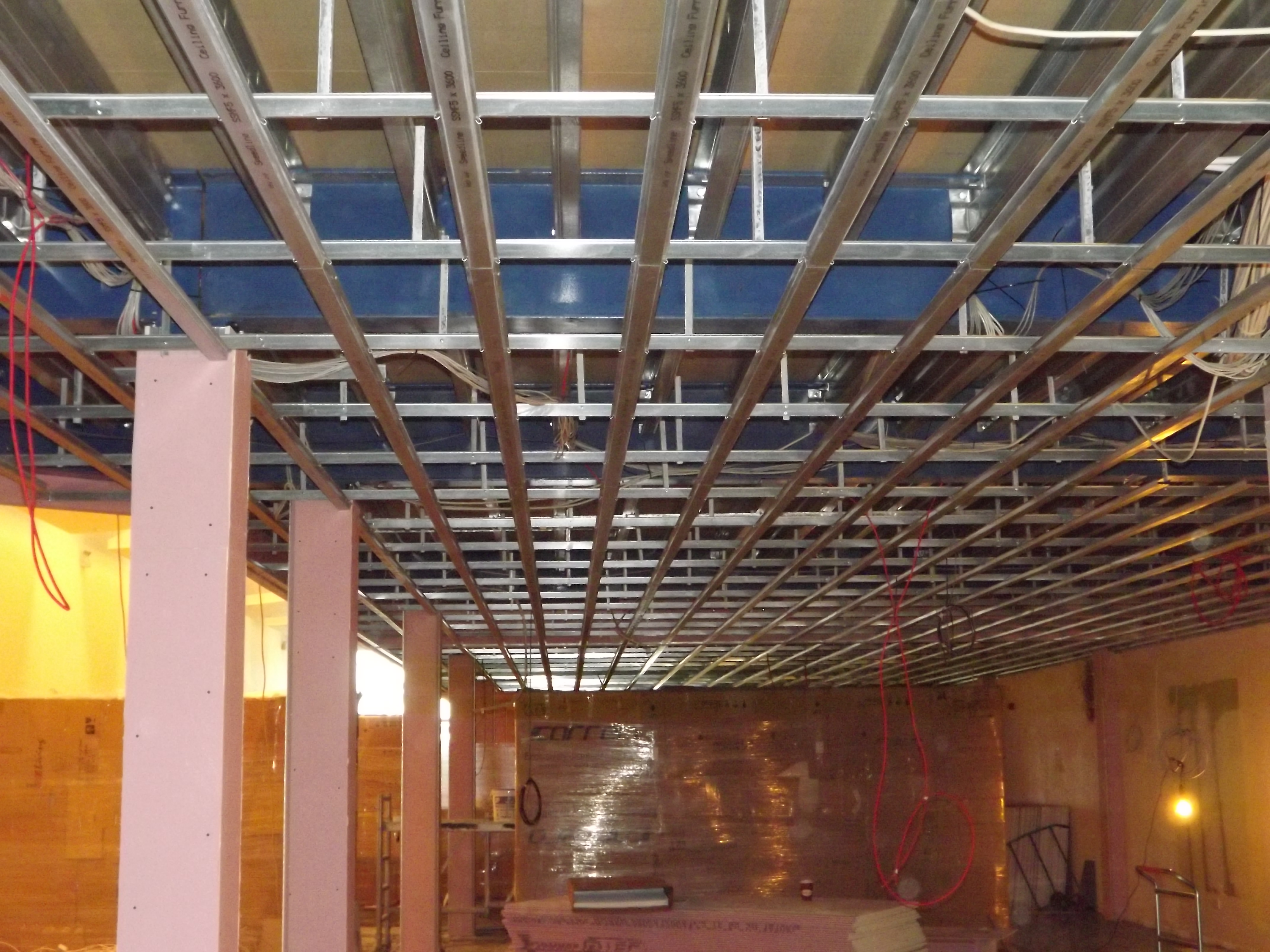
FAQ: Light Steel Stud Technical Selection Guide
Q1: How to choose light steel studs suitable for humid environments?
A: Prioritize products with a galvanized layer thickness of ≥20μm and pay attention to the salt spray test duration. JINKAI's "JK-50" series, with a dual protection of 25μm galvanized layer and anti-rust coating, has passed a salt spray test for 1200 hours, suitable for coastal or underground space projects.
Q2: How significant is the impact of the automated production line on costs?
A: Although the initial investment is high, the long-term benefits are significant. Taking JINKAI's 53 production lines as an example, the cost per line is about 2 million yuan, but through increasing production capacity (2,000 meters per day) and reducing waste rate (from 15% to 2%), the investment can be recouped within 3 years, with a 60% reduction in labor costs.
Q3: How to control the installation error of light steel studs?
A: The key lies in the design and construction specifications of the connecting components. JINKAI's patented "Adjustable Ceiling Connecting Components" technology allows for ±5mm installation tolerance and is assisted by laser positioning tools for construction, ensuring the overall flatness error is ≤3mm/2m, meeting the requirements of high-end commercial spaces.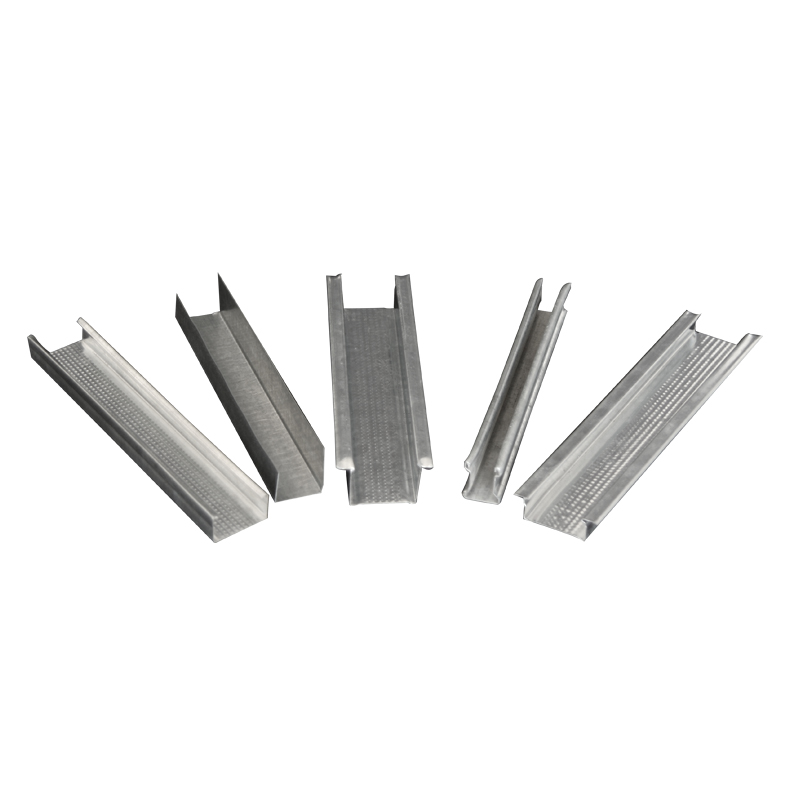
Summary Reference
The technical upgrade of the light steel keel industry should focus on efficiency, durability, and cost. JINKAI enhances production capacity and precision through automated production, strengthens product performance with patented technology, and optimizes the supply chain with a global layout, providing a replicable solution for the industry. Its "JK-50" series keels and "JK-TGrid" ceiling system have proven stability and cost-effectiveness in projects such as commercial complexes in Southeast Asia and airports in the Middle East. In the future, as the construction industry's demand for green and flexible spaces grows, the technological innovation of light steel keels will focus more on modular design and the application of recyclable materials. JINKAI's R&D and production advantages are expected to further promote the upgrading of industry standards.