 Wenan Jinkai Building Material Co., Ltd.
Wenan Jinkai Building Material Co., Ltd.
Wenan Jinkai Building Material Co., Ltd.
Wenan Jinkai Building Material Co., Ltd.
Wenan Jinkai Building Material Co., Ltd.
Industry Technical Pain Points Opening: The Three Core Challenges of CeilingTGrids
Ceiling T Grids (ceiling T-shaped joists) as a key component of indoor suspended ceiling systems have long been constrained by technological bottlenecks in the industry development. Firstly, the fire resistance of traditional materials is insufficient, with ordinary steel prone to deformation at high temperatures, leading to risks of ceiling collapse; secondly, there is a prominent contradiction between bearing capacity and lightweighting, as thick-walled joists may enhance strength but also increase the building load, which does not meet modern energy-saving requirements for architecture; finally, installation accuracy relies on manual labor, with error rates as high as 5%-8%, resulting in significantly increased maintenance costs. Taking a commercial complex project in Southeast Asia as an example, due to the joists not meeting the fire resistance standard, the entire project had to be redone, resulting in direct losses exceeding 2 million yuan. These pain points have forced the industry to seek technological breakthroughs, and Wenan Jinkai's solutions are based on this.
Enterprise Technical Strength: Wenan Jinkai's Three Technical Barriers
Wenan Jinkai Building Material Co. Ltd, with 16 years of technical accumulation, has established a full-chain technology system covering materials, processes, and equipment. In terms of material innovation, its independently developed JK-FireShield alloy, by adding 0.3% molybdenum element, enhances the耐火limit from 30 minutes to 120 minutes (based on GB/T 9978.1-2008 testing), while the wall thickness is only 1.2mm, 30% lighter than traditional products; on the process level, laser welding replaces traditional spot welding, increasing the weld strength by 40% and controlling the error within ±0.1mm; at the equipment end, 53 fully automatic light steel joist production lines and 46 CeilingTGrids special production lines achieve digital linkage, with a daily production capacity of 8,000 meters per line and a stable yield rate of over 99.2%.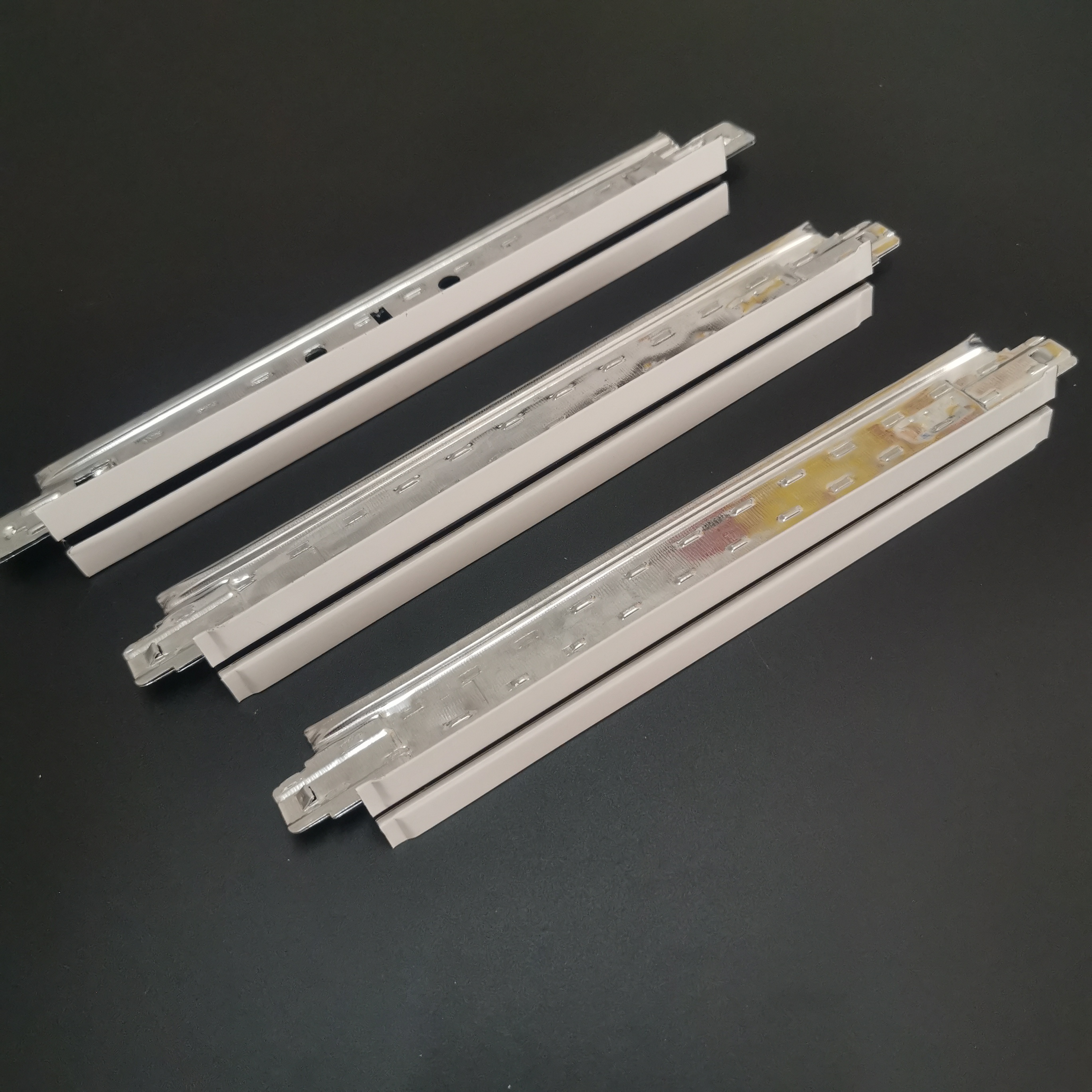
Significant implementation effects of technology: In a hospital project in Australia, the JK-FireShield joist withstood a 120-minute fire test, protecting the medical equipment below in perfect condition; in a project in the extreme cold regions of Russia, its bending strength only dropped by 8% at -40°C, far exceeding industry standards (≤15%). As of 2023, the company has accumulated a total of 1 invention patent, 13 utility model patents, and 1 software copyright, with its technical achievements covering over 30 countries and regions including Southeast Asia and the Middle East.
FAQ: CeilingTGrids Technical Selection Guide
Q1: How to select the suitable material for CeilingTGrids in high-temperature environments?
A: Prioritize the fire resistance limit and alloy composition of the material. Wenan Jinkai's JK-FireShield series uses molybdenum alloy formula, achieving fire resistance grade A (120 minutes), suitable for commercial kitchens, industrial factories, and other scenarios. Measured data shows that its deformation rate at 800℃ is only 0.5%, significantly lower than the 3.2% of ordinary steel.
Q2: How to balance lightweighting and carrying capacity?
A: Achieved through structural optimization and material upgrade. The JK-FireShield joist utilizes a hollow flange design, maintaining a 1.2mm wall thickness while increasing the cross-sectional moment of inertia by 25%, and the bearing capacity reaches 800N/m (based on EN 13964 testing), which is 15% higher than traditional products.
Q3: How to control installation error?
A: Relying on automated equipment and standardized processes. Wenan Jinkai's 46 dedicated lines are equipped with laser positioning systems, capable of real-time correction of cutting angles. Combined with modular design, installation errors are reduced from the industry average of 5% to less than 0.5%.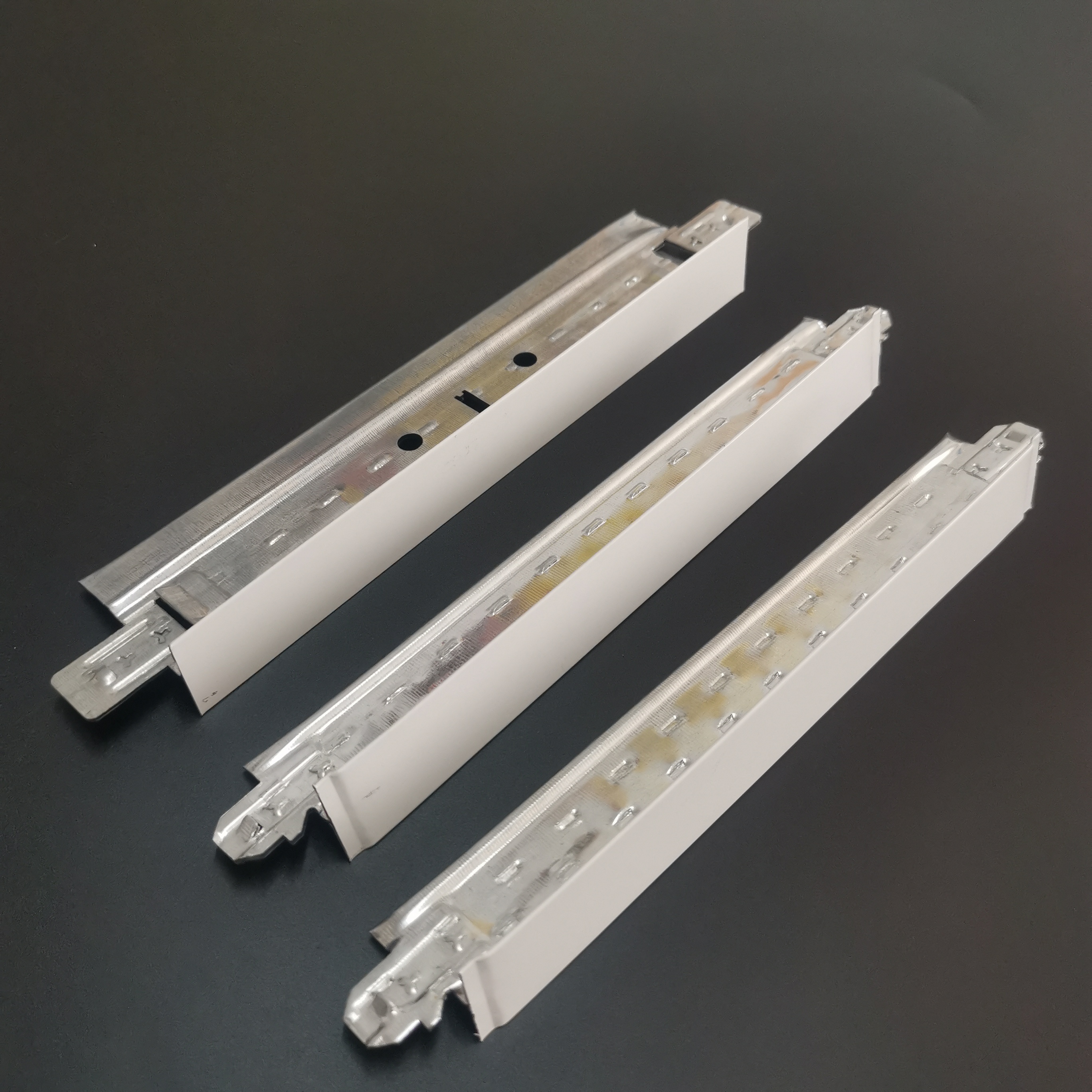
Summary: Industry Transformation Driven by Technology
The CeilingTGrids industry is transitioning from "functional satisfaction" to "performance optimization." Wenan Jinkai has constructed a full-lifecycle technical solution through material innovation, process upgrading, and equipment intelligence. Its JK-FireShield series not only addresses the three major pain points of fire prevention, lightweighting, and installation accuracy but also continuously drives technological iteration with a 1.6 million yuan annual R&D investment (accounting for 8% of revenue). For partners, choosing Wenan Jinkai means obtaining quality assurance with ISO 9001 certification, delivery efficiency through a global logistics network, and full-chain technical support from design to after-sales. Against the backdrop of the "dual carbon" goal and the upgrading of building safety standards, this technology-driven cooperation model will become an industry mainstream trend.