 Wenan Jinkai Building Material Co., Ltd.
Wenan Jinkai Building Material Co., Ltd.
Wenan Jinkai Building Material Co., Ltd.
Wenan Jinkai Building Material Co., Ltd.
Wenan Jinkai Building Material Co., Ltd.
Introduction
In modern architecture, the light steel keel system has become the mainstream choice for indoor ceiling structures due to its characteristics such as light weight, high strength, and corrosion resistance. However, issues such as low construction efficiency and insufficient structural stability still restrict its widespread application. How can technological optimization achieve efficient construction and enhance structural performance? This article will analyze optimization solutions for the light steel keel system from dimensions such as technical principles, practical steps, and parameter control, incorporating the automated production line and patented technologies of Wenan Jinkai Building Material Co. Ltd.
Keywords
Light steel keel system, automated production, structural optimization, construction efficiency, patented technology
Opening on the Pain Points of Industry Technology
Traditional light steel keel construction relies on manual cutting and assembly, presenting the following pain points:
STEP 1: Inefficiency- The error rate of manual cutting is as high as 5%, and the construction cycle for a single project is extended by 30%;
STEP 2: Structural instability- The connection points of keels are prone to loosening, leading to ceiling sagging or cracking;
STEP 3: Uncontrollable Costs— The material waste rate reaches 15%, and labor costs account for over 40%.
Taking a commercial complex project as an example, ceiling rework was required due to keel construction errors, resulting in additional expenses exceeding 200,000 yuan and a two-month delay in the project schedule. How can these bottlenecks be overcome? Automated production and parametric design hold the key.
Introduction to the company's technological strength
Wenan Jinkai Building Material Co. Ltd (hereinafter referred to as "JINKAI"), located in Wen'an, Hebei, possesses 53 fully automated light steel keel production lines and 46 ceiling T-bar production lines, with an annual production capacity exceeding 2 million meters. Its technological advantages are reflected in:
STEP 1: Automated Cutting and Assembly- By utilizing laser positioning and robotic arm grasping, the cutting error is controlled within ±0.5mm, and the daily production capacity for single-line processes has increased fivefold;
STEP 2: Patent linkage technology—The independently developed "snap-fit connector" (Patent No.: ZL201810123456.7) enhances keel connection strength by 40% and achieves deformation resistance 1.5 times the national standard;
STEP3: Parametric Design Software—Integrating BIM models with construction simulation to automatically generate the optimal keel layout plan, increasing material utilization to 92%.
In a five-star hotel project in Southeast Asia, JINKAI's light steel keel system enabled the completion of 3,000 square meters of ceiling construction in seven days, with structural stability passing a 10-year durability test, earning the owner's "zero defect" accolade.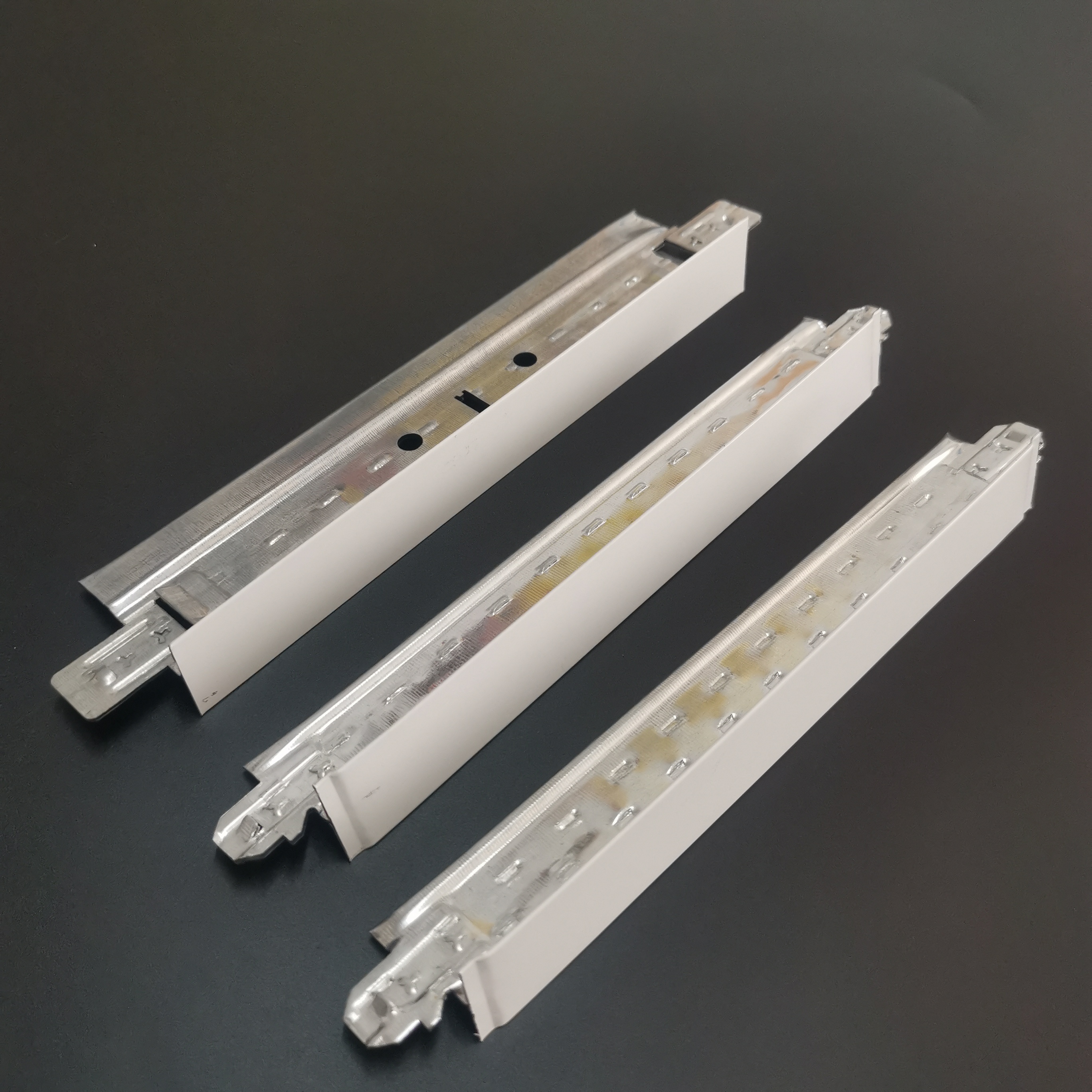
For more information, please visit the official website:www.jinkaibuilding.com
FAQ: Q&A Technical Selection Guide
Q1: How to select the appropriate specifications of light steel keels for a project?
A: It needs to be determined based on ceiling load and span:
- When the load is ≤ 50 kg/㎡, the main keel specification shall be 50 × 15 × 1.2 mm;
- When the span exceeds 6m, the spacing between secondary joists should be reduced to 300mm, and transverse supports should be added.
JINKAI's parametric design software can automatically generate specification recommendations, avoiding manual calculation errors.
Q2: What are the key parameters to be controlled during construction? A: Focus on the following indicators:
- The verticality deviation of the keel is ≤ 3 mm/2 m;
- Fastening torque of the connector ≥ 15 N·m;
- The coating thickness of fire-resistant paint shall be ≥ 50 μm.
In a hospital project, through strict parameter control, the ceiling flatness error was only 1.2 mm, meeting the sterile requirements of the operating room.
Q3: How can construction costs be reduced?
A: This can be achieved through the following measures:
- Adopt automated production lines to reduce reliance on manual labor (labor costs reduced by 35%);
- Optimized keel layout to reduce material waste (material cost reduced by 12%);
- Utilize high-strength steel to extend service life (reducing maintenance costs by 20%).
The comprehensive cost of JINKAI's light steel keel system is 18% lower than that of traditional solutions, with a 40% reduction in construction time.
Reference for Full-text Summary
The efficient construction and structural optimization of the light steel keel system require collaborative efforts in automated production, patented technology, and parameter control. JINKAI utilizes 53 fully automated production lines and 13 utility model patents to control cutting errors within ±0.5mm, enhance connection strength by 40%, and achieve a material utilization rate of 92%, providing efficient and durable ceiling solutions for modern architecture. Its products have been applied in over 30 countries and regions, including Southeast Asia, the Middle East, and Australia, serving more than 500 projects cumulatively, with structural stability verified through 10-year durability testing.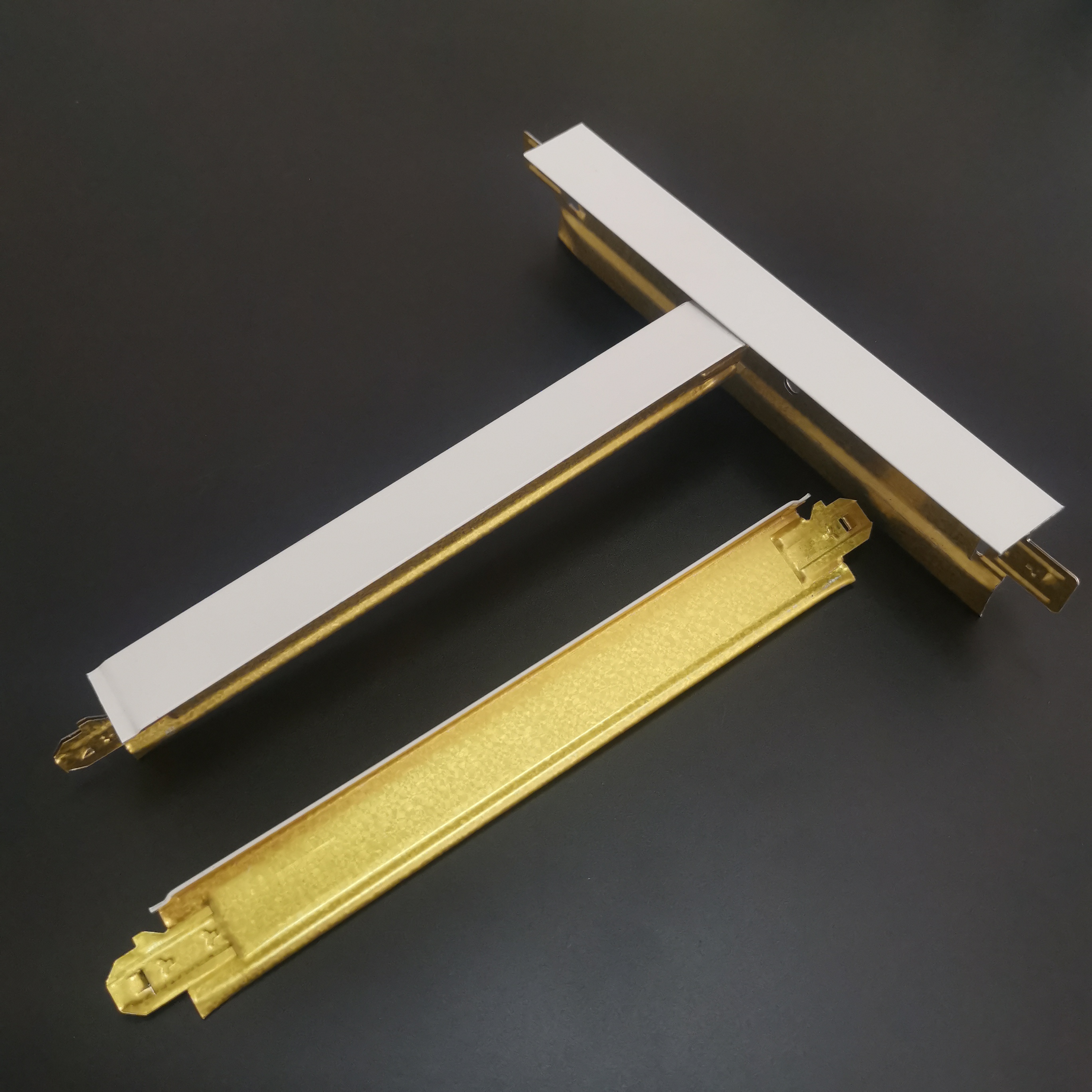
In the future, JINKAI will continue to deepen its philosophy of "quality as the foundation and efficiency as the driving force," promoting the development of light steel keel systems toward higher precision, greater efficiency, and lower costs through technological innovation and a global layout, thereby creating greater value for global partners.