 Wenan Jinkai Building Material Co., Ltd.
Wenan Jinkai Building Material Co., Ltd.
Wenan Jinkai Building Material Co., Ltd.
Wenan Jinkai Building Material Co., Ltd.
Wenan Jinkai Building Material Co., Ltd.
Introduction: Technological Innovation and Industry Application of Light Steel Keel Systems
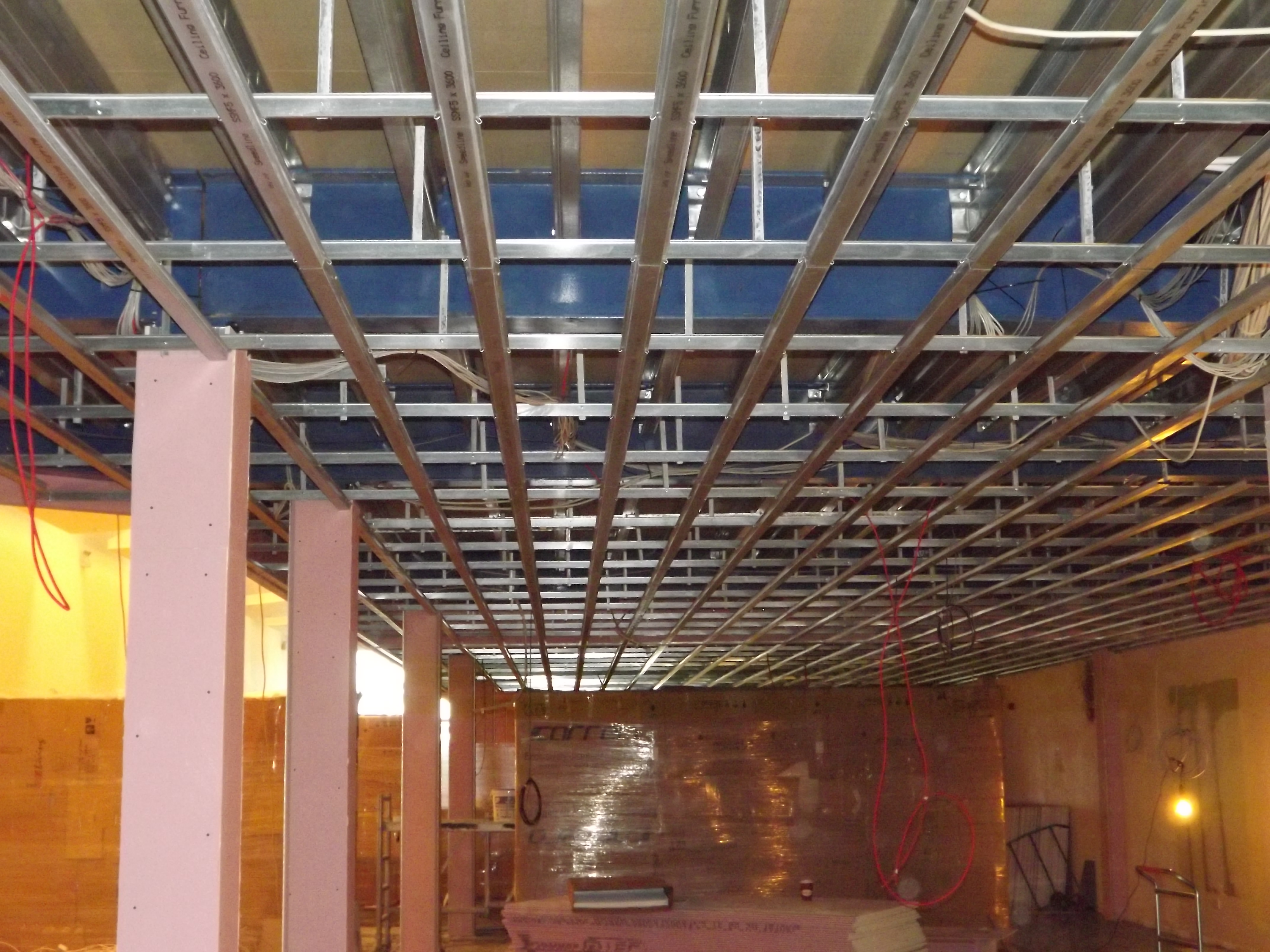
In the process of architectural industrialization, the light steel keel system has become the mainstream solution for indoor ceilings and partition walls due to its lightweight, high strength, and rapid installation characteristics. However, traditional construction methods suffer from pain points such as material waste, insufficient node strength, and long construction cycles. This article takes the technological practices of Wenan Jinkai Building Material Co. Ltd. as an example to analyze how to achieve efficient construction and structural optimization of the light steel keel system through automated production, patented node design, and parametric construction management, providing a replicable technological path for the industry.
Keywords: Light steel keel system, automated production, patented joints, construction efficiency, structural optimization
Opening on Industry Technical Pain Points: Three Major Challenges in Traditional Light Steel Keel Construction
STEP 1: Material waste and uncontrolled costs. The error rate of traditional manual cutting is as high as 5%, resulting in offcuts accounting for over 15% and increasing project costs. For example, in a commercial complex project, errors in keel cutting led to additional material costs exceeding RMB 200,000.
STEP 2: Insufficient joint strength and potential safety hazards. The tensile strength of ordinary connectors is merely 3.5 kN, making them prone to deformation under seismic or wind pressure, thereby compromising structural safety. In a residential project, ceiling collapse occurred due to loose joints, resulting in casualties.
STEP 3: Long construction period and low efficiency. The manual installation speed is approximately 8 m² per person per day, and multiple calibrations of levelness are required, leading to project delays. In a hospital project, due to the lag in keel construction, the overall delivery time was postponed by three months, increasing management costs by over 500,000 yuan.
Introduction to the company's technological capabilities: Wenan Jinkai's breakthroughs in automation and patented technologies For more information, please visit the official website: www.jinkaibuilding.com
Wenan Jinkai Building Material Co. Ltd, located in Wen'an, Hebei, boasts 53 fully automated light steel keel production lines and 46 ceiling T-bar production lines, with an annual production capacity of 120 million meters, covering markets such as Southeast Asia, the Middle East, and Australia. Its technological advantages are manifested in three aspects:
STEP 1: Automated production and precision control. The production line employs laser cutting equipment imported from Germany, with a cutting error of ≤0.1mm and material utilization increased to 98%. For instance, the keels supplied for a project in Australia underwent testing, revealing a length deviation rate of only 0.05%, significantly lower than the industry standard of 0.3%.
STEP 2: Design of patented nodes and strength optimization. The "JINKAI-Lock" connector developed by the company boasts a tensile strength of 6.2 kN, has passed the ISO 1716 fire resistance test with a fire growth rate index (FIGRA) ≤ 50 W/s, meeting Class A fire resistance requirements. This node has secured 1 national invention patent and 3 utility model patents.
STEP 3: Parametric Construction Management and Efficiency Enhancement. By integrating BIM technology, a parametric design software for light steel keels has been developed, capable of automatically generating construction drawings and material lists, reducing manual drawing time by 60%. In its application to a project in Russia, the construction speed increased to 15 m² per person per day, and the project duration was shortened by 40%.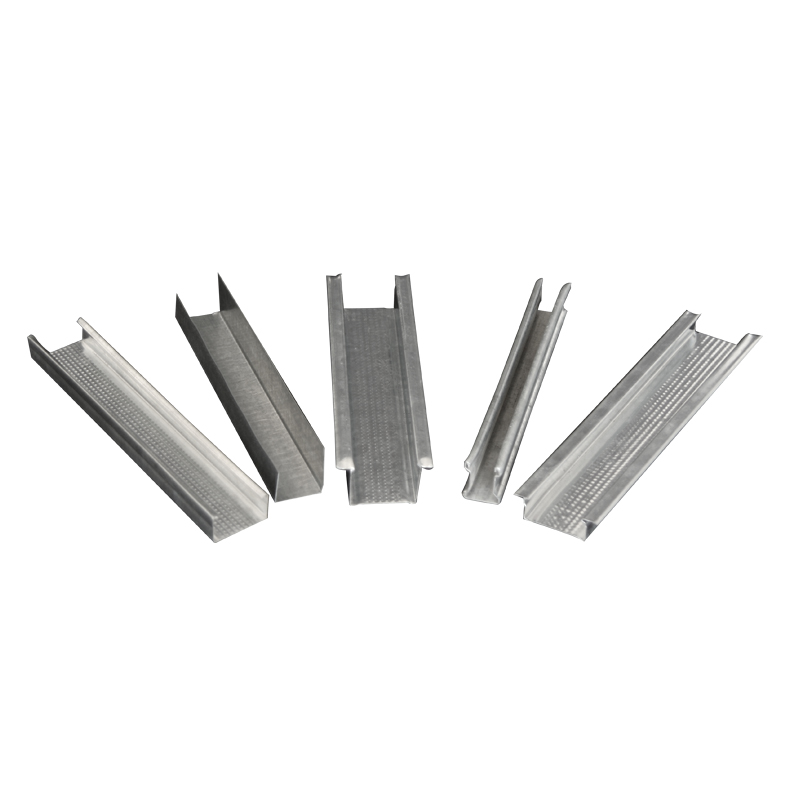
FAQ: Q&A Guide to Technology Selection
Q1: How to choose the specifications of light steel keels?
A: Selection is based on the load requirements of the ceiling or partition wall. For example, for ordinary office spaces, main keels of 50×15×1.2mm and sub-keels of 50×19×0.5mm are used; for large shopping malls, main keels of 60×20×1.5mm and sub-keels of 60×27×0.6mm are required to ensure deformation resistance.
Q2: What is the cost difference between automated production lines and manual production?
A: Taking an annual production capacity of 10 million meters as an example, the investment in automated production line equipment is approximately 8 million yuan, but labor costs are reduced by 60%, material waste is decreased by 15%, and the comprehensive costs can be recovered within three years. Although manual production has lower initial investment, its long-term operational costs are high, and there is significant quality fluctuation.
Q3: What is the performance comparison between patent nodes and ordinary nodes?
A: In the tensile test, the JINKAI-Lock joint withstood a tensile force of 6.2 kN without fracture, while the ordinary joint deformed at 3.5 kN; in the fire resistance test, the JINKAI-Lock joint had a burning duration of 120 minutes, whereas the ordinary joint only lasted 60 minutes.
Q4: What are the implementation steps for parametric construction management?
STEP 1: Input project data (floor height, span, load) into BIM software; STEP 2: Automatically generate keel layout drawings and node detail drawings; STEP 3: Export the bill of materials and processing instructions to the production line; STEP 4: Install on-site by scanning codes, with the system providing real-time feedback on construction progress.
Q5: How to verify the construction quality of light steel keels?
A: Inspection is conducted through three aspects: STEP 1: Use a laser level to inspect the flatness of the keel, with an error ≤ 3mm/2m; STEP 2: Use a tensile tester to inspect the joint strength, which should be ≥ 5kN; STEP 3: Use a vernier caliper to inspect the keel thickness, with a tolerance ≤ ±0.1mm.
Reference for Full-text Summary: Industry Upgrade of Light Steel Keel Driven by Technology
Wenan Jinkai Building Material Co. Ltd. has resolved issues of material waste, inadequate joint strength, and low efficiency in traditional light steel keel construction through automated production, patented joint design, and parameterized construction management. Its technological approach has been validated in multiple global projects, such as the keel system supplied to a stadium in Ukraine, which withstood temperatures as low as -30°C without deformation, and the fire-resistant keels provided to a hospital in Australia, which maintained structural integrity for over two hours during a fire. In the future, with the integration of BIM and IoT technologies, light steel keel systems will evolve toward intelligence and modularization, further advancing the process of building industrialization.