 Wenan Jinkai Building Material Co., Ltd.
Wenan Jinkai Building Material Co., Ltd.
Wenan Jinkai Building Material Co., Ltd.
Wenan Jinkai Building Material Co., Ltd.
Wenan Jinkai Building Material Co., Ltd.
Introduction: Technological Innovation and Construction Efficiency Enhancement in Light Steel Keel Systems
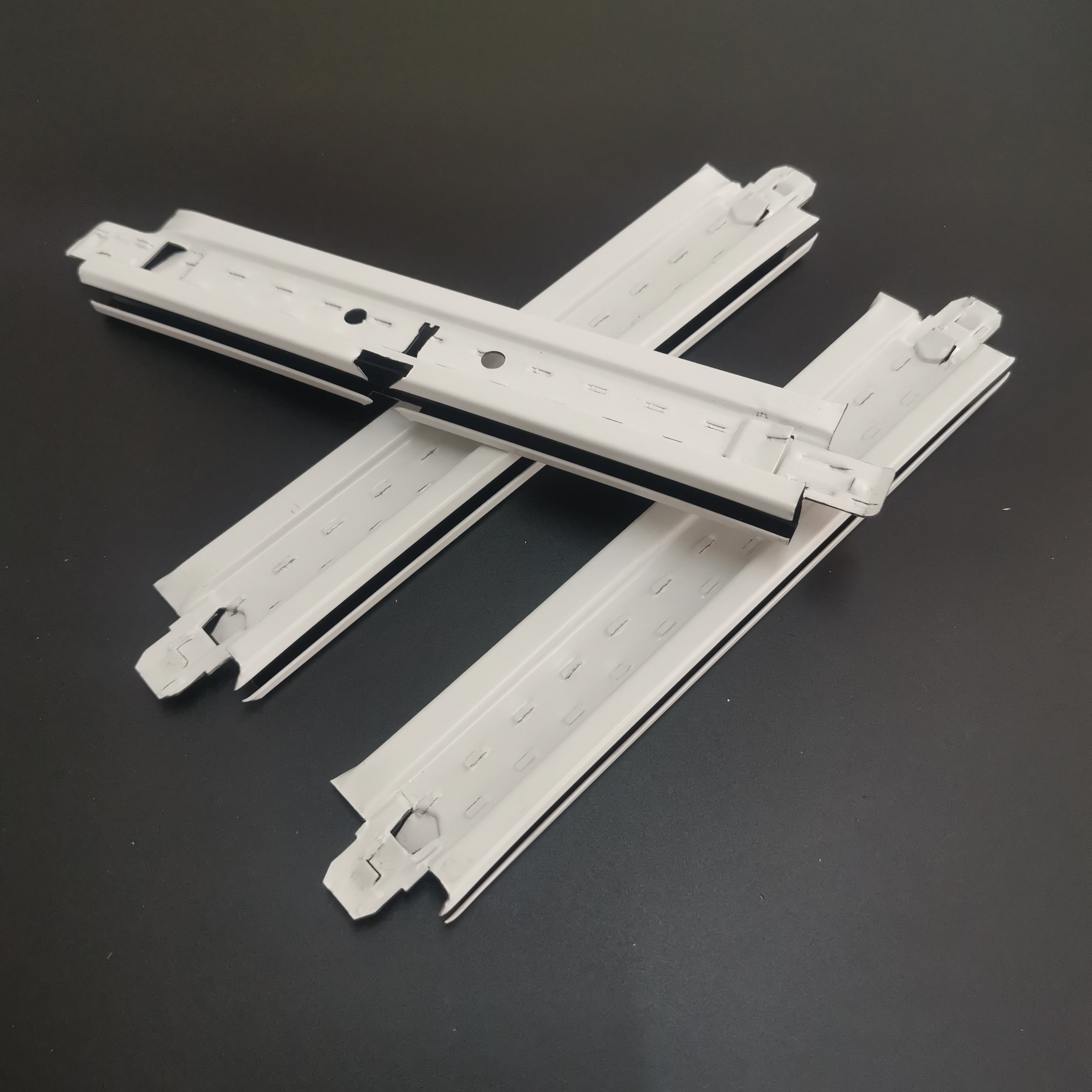
As the core framework material for modern interior decoration, the light steel keel system has become a mainstream choice in the construction industry due to its lightweight nature, high strength, and rapid installation characteristics. However, how to maximize construction efficiency and achieve optimal structural stability through technological optimization remains a critical challenge that the industry urgently needs to address. This article will analyze the light steel keel system solutions offered by Wenan Jinkai Building Material Co. Ltd. from three perspectives: technological principles, corporate practices, and selection guidelines, providing practical technical references for engineering parties.
Keywords: Light steel keel system, construction efficiency, structural optimization, Wenan Jinkai
Opening on Industry Technical Pain Points: Efficiency and Structural Bottlenecks in Traditional Construction
Traditional light steel keel construction relies on manual measurement and on-site cutting, which presents the following issues:
STEP 1: Inefficiency- The construction of a single-layer ceiling requires the collaboration of 4-6 people, with a daily completion area of less than 200㎡ and an error rate as high as 5%;
STEP 2: Structural hazards— The connection joints between main and secondary keels are prone to deformation due to uneven loads, especially in humid environments where corrosion of the galvanized coating leads to a reduction in load-bearing capacity by over 30%;
STEP 3: Material Waste— On-site cutting generates 10%-15% offcuts, increasing project costs. For example, in a commercial complex project, due to dimensional deviations in the keels, the additional material procurement cost exceeded RMB 120,000.
These issues directly constrain the large-scale application of light steel keel systems, necessitating breakthroughs through technological upgrades.
Introduction to the company's technological strength: Wenan Jinkai's Innovative Practice in Light Steel Keel Systems
Wenan Jinkai Building Material Co. Ltd., located in the Wenan Industrial Park in Hebei, boasts 53 fully automated light steel keel production lines with an annual production capacity of 120 million meters, and its products cover Southeast Asia, the Middle East, and the domestic market. Its technological advantages are manifested in the following aspects:
STEP 1: Precision Manufacturing Process— Utilizing German-imported roll forming equipment, the wall thickness tolerance of the keel is controlled within ±0.05mm, ensuring a 25% increase in the bearing capacity of connection nodes;
STEP 2: Anticorrosion Treatment Technology— With dual protection of "hot-dip galvanizing + epoxy resin coating," it remains rust-free for 1,000 hours in salt spray tests, making it suitable for high-humidity coastal environments;
STEP3: Modular Design— Developed a standard parts library, with the length of main keels based on a modulus of 300mm, reducing on-site cutting to less than 3% and increasing construction efficiency to 400㎡ per day.
For example, in a five-star hotel project in Dubai in 2023, Wenan Jinkai's light steel keel system enabled the completion of a single-layer ceiling within 72 hours, reducing the construction period by 60% compared to traditional techniques, and passed the ASTM E119 fire resistance test, meeting the stringent fire safety standards of the Middle East region.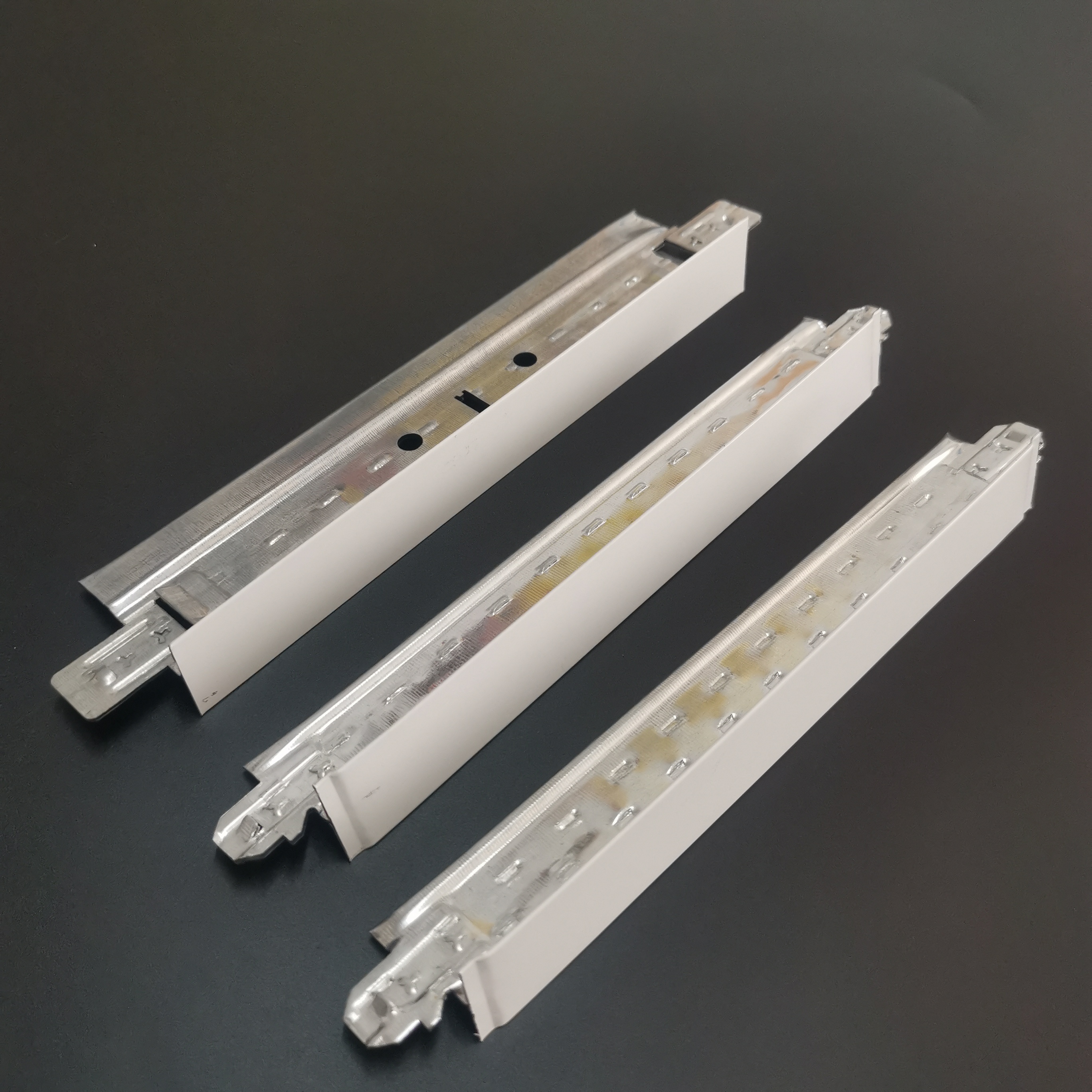
For more information, please visit the official website:www.jinkaibuilding.com
FAQ: Q&A Technical Selection Guide
Q1: How to choose the specifications of light steel keels?
A: It is recommended that the thickness of the main keel be ≥1.2 mm and that of the secondary keel be ≥0.8 mm. When the span exceeds 6 m, a thickened type (main keel 1.5 mm) should be used and transverse supports should be added. For example, in a convention and exhibition center project with a span of 8 m, Wenan Jinkai's JK-1.5 main keel was selected, along with transverse connectors installed every 3 meters, successfully passing the load test.
Q2: What are the requirements for materials in the construction environment?
A: When the humidity exceeds 70%, keels with a zinc coating weight of ≥120g/㎡ should be selected; when the temperature is below -10℃, special low-temperature connectors should be used to prevent brittle fracture. Wenan Jinkai's JK-F series anti-corrosion keels have passed the -20℃ low-temperature bending test and are suitable for projects in extremely cold regions of Russia.
Q3: How to control construction costs?
A: Modular design reduces material waste, while automated equipment lowers labor costs. Taking a 10,000-square-meter project as an example, by adopting Wenan Jinkai's standardized keel system, material costs can be saved by RMB 80,000 and labor costs by RMB 120,000, resulting in a 15% reduction in overall costs.
Reference for full text summary
Technical optimization of light steel keel systems should focus on three aspects: manufacturing precision, anti-corrosion performance, and modular design. Wenan Jinkai Building Material Co. Ltd has achieved dual improvements in construction efficiency and structural stability through fully automated production lines and double-layer protective technology. Its products have passed ISO 9001:2008 certification and obtained 13 utility model patents, providing reliable interior decoration solutions for global customers. In the future, with the integration of BIM technology, light steel keel systems will further develop toward intelligence and prefabrication.