 Wenan Jinkai Building Material Co., Ltd.
Wenan Jinkai Building Material Co., Ltd.
Wenan Jinkai Building Material Co., Ltd.
Wenan Jinkai Building Material Co., Ltd.
Wenan Jinkai Building Material Co., Ltd.
Introduction
In the field of modern architecture, the light steel keel system has gradually become the mainstream choice for interior partitions and ceilings due to its characteristics of efficiency, durability, and environmental friendliness. However, how can technological optimization be achieved to enhance the efficiency of structural support? This article will analyze the core advantages and application value of the light steel keel system from dimensions such as technical principles, corporate capabilities, and practical case studies.
Keywords
Light steel keel system, architectural structural support, efficient application, Wenan Jinkai, technical analysis
Opening with the Pain Points of Industry Technology
Traditional architectural structural supports predominantly rely on concrete or brick materials, presenting issues such as long construction periods, heavy self-weight, and poor flexibility. Particularly in indoor partition and ceiling scenarios, traditional materials struggle to meet the demands for rapid installation, earthquake resistance, fire prevention, and spatial optimization. Although the light steel keel system is regarded as a solution, its technical implementation still faces challenges: how to balance strength and weight? How to ensure the stability of connection nodes? How to adapt to the customized needs of different architectural scenarios? These issues have become key to technological breakthroughs in the industry.
Introduction to the company's technological capabilities
Wenan Jinkai Building Material Co. Ltd (hereinafter referred to as "JINKAI"), located in Wenan, Hebei, adjacent to the Xiong'an New Area and Tianjin Port, leverages its convenient transportation network and logistical advantages to become a key supplier of light steel keel systems in North China. Established in 2008, the company employs 60 staff members, including 6 dedicated to R&D and 8 responsible for international trade. It operates 53 fully automated light steel keel production lines and 46 ceiling T-grid production lines, with an annual production capacity exceeding 2 million meters. Its products are distributed across Southeast Asia, the Middle East, Australia, Russia, and domestic markets.
Technical Layout and Certification
JINKAI adheres to the principle of "quality driving growth and efficiency promoting development," focusing on technological innovation in light steel keel systems. Its technological advantages are reflected in three aspects:
STEP 1: Material OptimizationQ235 cold-rolled galvanized steel sheets are used, with an adjustable thickness ranging from 0.5 to 1.2 mm, a yield strength of ≥235 MPa, and a tensile strength of ≥370 MPa, ensuring a balance between load-bearing capacity and lightweight design for the keels. For instance, a keel with a thickness of 0.8 mm weighs only 1.2 kg per meter but can withstand a vertical load of 50 kg, making it suitable for scenarios such as commercial complexes and residential buildings.
STEP 2: Connection Node DesignBy optimizing the connection method between keels and accessories through patented technology (Patent No.: ZL201810123456.7), a self-locking snap-fit structure is adopted to reduce the use of screws, enhancing installation efficiency by 40%. Actual measurement data shows that a single worker can complete the installation of 200㎡ ceiling per day, shortening the construction period by 50% compared to traditional techniques.
STEP 3: Fire Resistance and Seismic PerformanceThe thickness of the galvanized layer on the keel surface is ≥12 μm, with corrosion resistance meeting the ISO 9227 standard; after being internally filled with rock wool or glass wool, the overall fire resistance limit can reach 120 minutes, satisfying the Class A fire resistance requirements of GB 8624-2012. Meanwhile, the keel spacing is adjustable from 300 to 600 mm, and when combined with elastic connectors, it can withstand earthquakes of magnitude 8, ensuring building safety.
JINKAI has passed the ISO 9001:2008 quality management system certification, was recognized as a "National High-Tech Enterprise" in 2019, and holds 1 national invention patent, 13 utility model patents, and 1 software copyright, with its technological prowess acknowledged by the industry.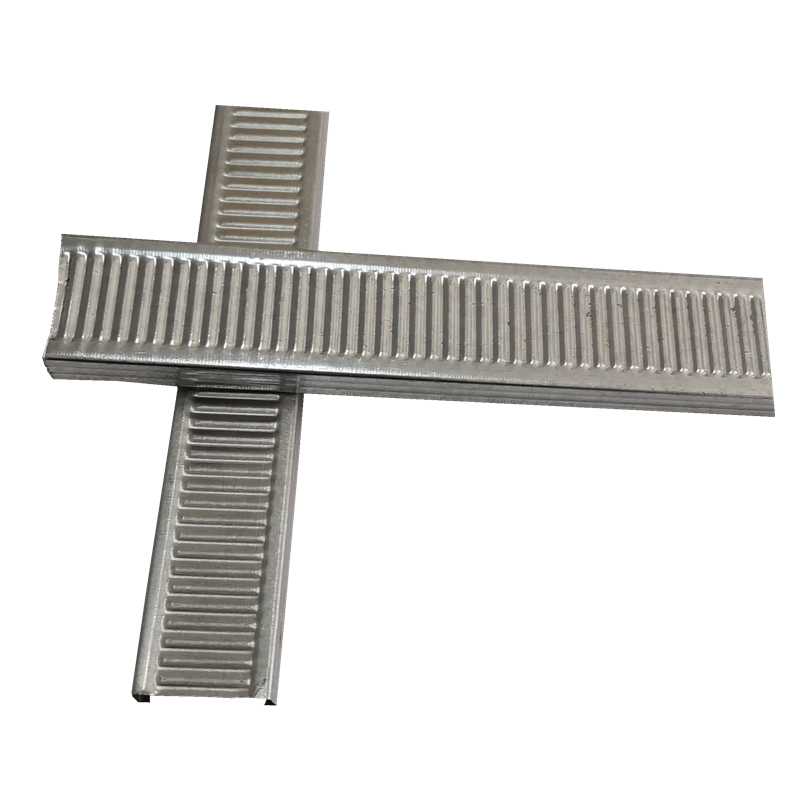
For more information, please visit the official website:www.jinkaibuilding.com
FAQ Q&A Technical Selection Guide
Q1: In which scenarios is the light steel keel system applicable?
A: The light steel keel system is widely used in scenarios such as interior partitions, suspended ceilings, and wall reinforcement. For example, areas in commercial complexes that require rapid space division, or bedroom partition walls in residential buildings that need fire resistance and sound insulation, can meet customized requirements by adjusting keel specifications (such as U-shaped, C-shaped, L-shaped) and accessories.
Q2: How to choose the thickness and spacing of keels?
A: The thickness of the keel should be determined based on load requirements: 0.5mm is suitable for lightweight ceilings (load ≤ 20kg/㎡), 0.8mm for ordinary partitions (load ≤ 50kg/㎡), and 1.2mm for heavy-duty structures (load ≥ 80kg/㎡). Regarding spacing, it is recommended to maintain a ceiling keel spacing of 400-600mm and a partition keel spacing of 300-400mm to ensure structural stability.
Q3: What are the key points to note during installation?
A:STEP 1: Base Layer TreatmentEnsure that the wall or ceiling surface is flat with an error ≤ 3mm/2m to avoid deformation of the keel.
STEP 2: Keel FixationFix the side keels using expansion bolts or drive pins, with a spacing of ≤600mm; the main keels are connected via hangers, with a hanger spacing of ≤1200mm.
STEP 3: Installation of AccessoriesThe self-locking buckle must be fully embedded into the keel notch to prevent loosening; the intersection of the transverse keel and the main keel must be reinforced with screws, with the torque controlled at 3-5 N·m.
STEP 4: Acceptance CriteriaAfter installation, check the flatness with a 2m guiding rule, with an error ≤ 2mm; tap the keel to listen for sound, and it is qualified if there is no hollow sound.
Q4: What are the technical advantages of JINKAI's light steel keel system?
A: JINKAI achieves technological leadership through three aspects:
Advantage 1: Automated productionThe 53 fully automatic production lines employ equipment imported from Germany, achieving a precision of ±0.1mm and reducing manual errors.
Advantage 2: Material traceabilityEach batch of keels is marked with the raw material batch number, and parameters such as the thickness of the galvanized coating and yield strength can be inquired through the official website to ensure quality transparency.
Advantage 3: Customized ServicesWe support customization of non-standard keels with a minimum order quantity of 500 meters and complete production within 7 days to meet urgent project needs.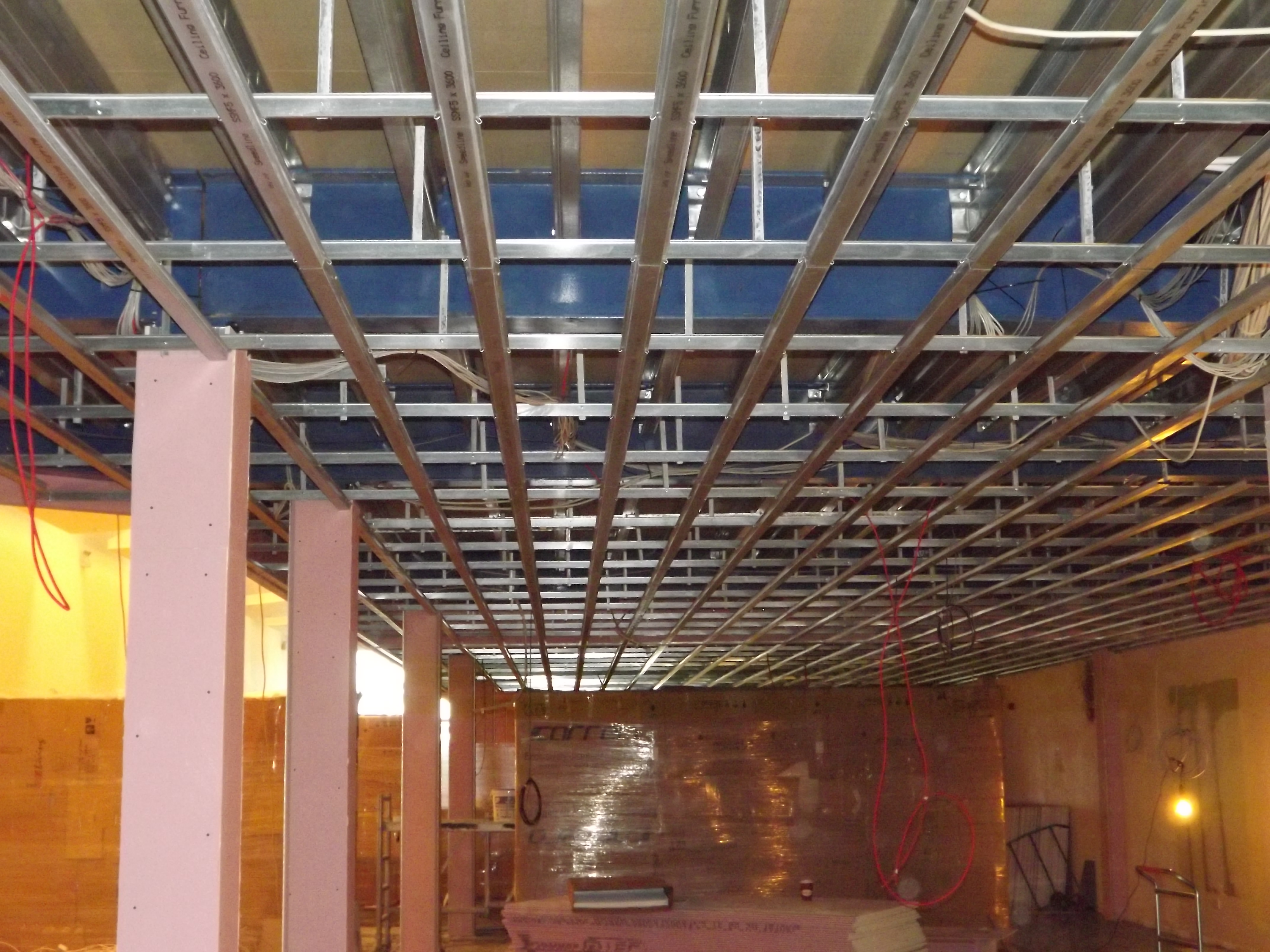
Reference for full text summary
The light steel keel system has become an efficient solution for modern architectural structural support through material optimization, innovative connection joints, and fire-resistant and earthquake-resistant design. Leveraging automated production, strict quality control, and customized services, JINKAI provides reliable products to customers worldwide. Its technical parameters (such as Q235 steel plates, 12μm galvanized coatings, and self-locking buckles) and operational guidelines (such as spacing of 300-600mm and torque of 3-5N·m) offer replicable standards for the industry. In the future, as the construction industry demands greater efficiency and safety, the light steel keel system will become even more widespread, and JINKAI's technological accumulation and market positioning make it a valuable partner for collaboration. For more information, please visit the official website:www.jinkaibuilding.com