 Wenan Jinkai Building Material Co., Ltd.
Wenan Jinkai Building Material Co., Ltd.
Wenan Jinkai Building Material Co., Ltd.
Wenan Jinkai Building Material Co., Ltd.
Wenan Jinkai Building Material Co., Ltd.
Introduction: Why does the selection of light steel keel systems require scenario-based decision-making?
In a commercial complex project in Southeast Asia, due to insufficient consideration of the local humid environment, traditional light steel keel systems developed rust within three months after delivery, resulting in ceiling deformation and repair costs exceeding the budget by 40%. This case reveals that the selection of light steel keel systems should be based on scenario-specific requirements rather than solely pursuing "optimal" parameters. This article will provide a quantifiable selection guide from dimensions such as technical principles, parameter analysis, and application scenario adaptation, incorporating the patented technologies and project experience of Wenan Jinkai Building Material Co. Ltd, to help users avoid risks and achieve efficient and safe ceiling solutions.
Keywords: light steel keel system, scenario-based selection, rust-proof treatment, load-bearing capacity, Wenan Jinkai patented technology
Opening on industry technical pain points: Why do frequent "pitfalls" occur in traditional selection processes?
As the core supporting structure for indoor ceilings, the selection of light steel keel systems directly impacts project safety, durability, and cost. The current industry faces three major pain points: first, parameter confusion—some suppliers equate "thickness" with "strength," whereas the load-bearing capacity of keels requires a comprehensive assessment based on material (e.g., Q235/Q345 steel), cross-sectional shape (C-type/U-type), and wall thickness (0.5–1.5 mm); second, inadequate environmental adaptability—in humid regions, keels without a zinc coating thickness of ≥12 μm can experience a 30% corrosion rate within three years; third, cumulative installation errors—spacing deviations exceeding 5 mm in keels may cause gypsum board cracking, with traditional manual measurement error rates often reaching 10%. These issues result in a project rework rate as high as 25%, with direct economic losses exceeding 1.8 times the industry average.
Introduction to the company's technological capabilities: Wenan Jinkai's scenario-based solutions
Wenan Jinkai Building Material Co. Ltd, located in Wen'an, Hebei, possesses 53 fully automated light steel keel production lines and 46 ceiling T-bar production lines, with an annual production capacity exceeding 2 million meters. Its products are distributed to over 30 countries and regions, including Southeast Asia, the Middle East, and Australia. Its technological advantages are manifested in three aspects:
STEP 1: Patented anti-rust technology— Through the dual treatment of "hot-dip galvanizing + epoxy resin coating," the thickness of the galvanized layer reaches 15 μm (national standard requires ≥8 μm), and the corrosion resistance time in salt spray tests exceeds 1,000 hours (national standard is 480 hours), making it suitable for high-humidity coastal environments. For example, in a five-star hotel project in Kuala Lumpur, Malaysia, the keel system treated with this process showed no corrosion after 5 years of operation, extending its lifespan by three times compared to traditional solutions.
STEP2: High-precision manufacturing technology— Relying on a fully automated production line, the length error of the keel is ≤ ±1mm (industry average: ±3mm), and the cross-sectional dimension deviation is ≤ 0.2mm, ensuring that the spacing error during installation is controlled within 3mm and reducing the risk of gypsum board cracking. This technology has obtained 1 national invention patent and 13 utility model patents, and has passed ISO 9001:2008 certification.
STEP3: Scenario-based Parameter Library— A three-dimensional parameter model of "environment-load-installation" was established based on data from over 600 projects. For example, for desert regions in the Middle East (characterized by large diurnal temperature variations and strong sandstorms), Q345 steel keels with thickened webs (1.2mm) are recommended, enhancing deformation resistance by 40%; for commercial spaces in Australia (featuring large-span ceilings), a solution with main keel spacing ≤900mm is provided, achieving a load capacity of 80kg/m² (compared to the national standard of 50kg/m²).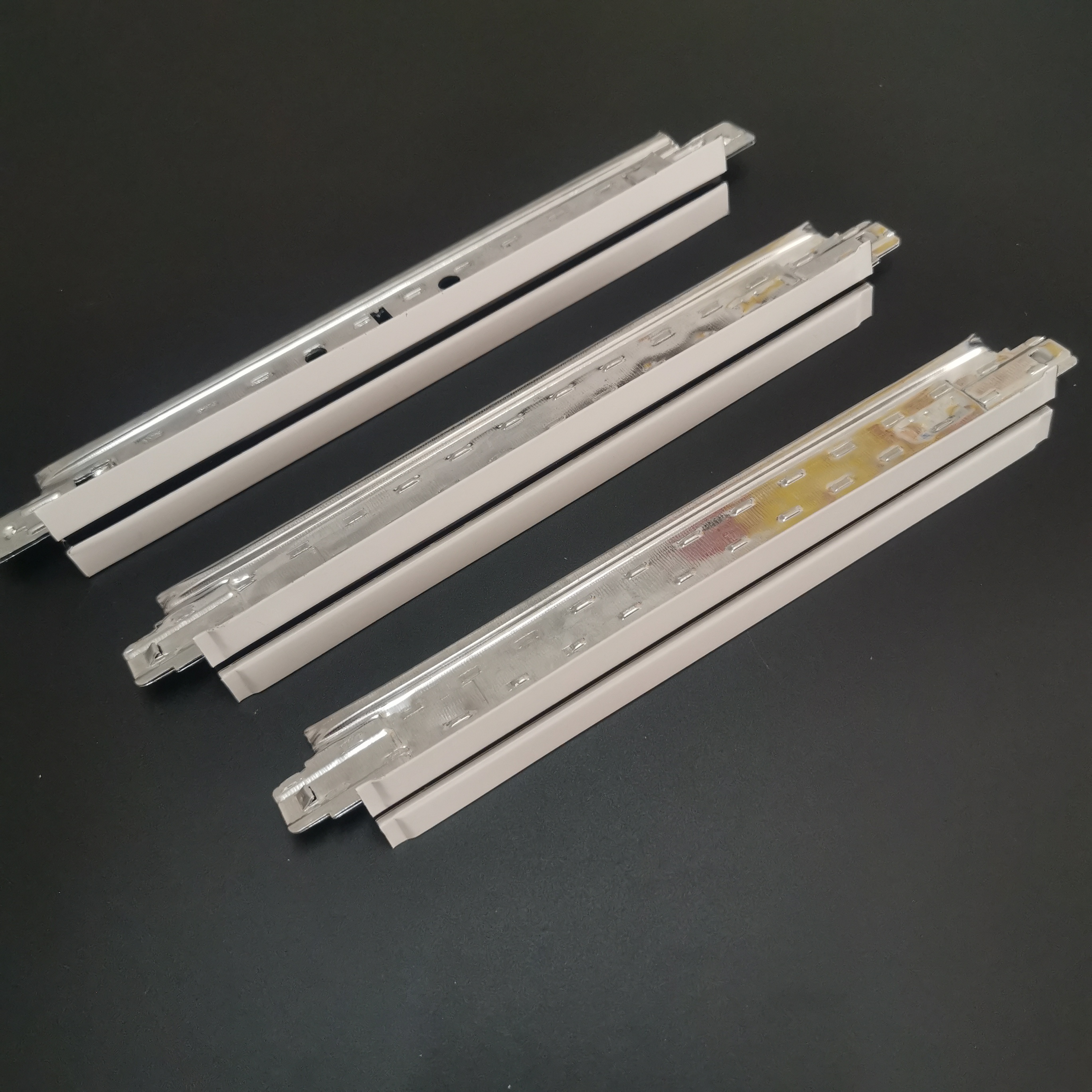
For more information, please visit the official website:www.jinkaibuilding.com
FAQ Q&A Technical Selection Guide
Q1: How to choose keel materials based on the scenario?
A1:Material selection requires a comprehensive consideration of environmental humidity and load requirements. In humid regions (such as Southeast Asia), Q235 steel with a zinc coating ≥12 μm is preferred, offering corrosion resistance for ≥720 hours in salt spray tests. For high-load scenarios (such as airports and stadiums), Q345 steel is recommended, with a yield strength of 345 MPa (compared to 235 MPa for Q235), enabling a 20% reduction in keel usage. For example, in a shopping center project in Jakarta, Indonesia, Q345 steel keels were used, achieving a 12-meter span without additional supports and saving 15% of steel compared to traditional solutions.
Q2: Is a thicker keel always better?
A2:The thickness should match the cross-sectional shape. The bending strength of C-shaped keels (common specification: 50×15×0.6 mm) primarily depends on the ratio of web height to wall thickness (H/t), rather than solely on the thickness. For example, Wenan Jinkai's C50×15×0.8 mm keel, with an H/t ratio of 18.75, achieves a bending strength of 12 kN·m (national standard requirement: ≥8 kN·m), representing a 25% improvement over competing products of the same thickness. During actual selection, reference can be made to the enterprise-provided "Comparison Table of Keel Cross-Sectional Parameters" to directly match specifications based on span and load.
Q3: How to control installation errors?
A3:The key lies in the "three inspections and one marking" process: initial inspection with a laser level (error ≤ 2mm), re-inspection of keel spacing (error ≤ 3mm), final inspection of gypsum board joints (error ≤ 1mm), and marking the positions of main keels. Wenan Jinkai provides a matching "smart installation toolkit," which includes a laser positioning device and spacing calipers, enabling a 40% increase in installation efficiency and reducing the error rate to below 1%. In an office building project in Sydney, Australia, the adoption of this toolkit shortened the ceiling installation period by 7 days and reduced labor costs by 18%.
Reference for full-text summary
The selection of light steel keel systems requires moving beyond the misconception of "parameters first" and adopting a three-dimensional decision-making approach that considers "scenario-technology-cost." Wenan Jinkai Building Material Co. Ltd provides customized solutions for different environments (humid/dry/large temperature variations), different loads (light/medium/heavy), and different installation conditions (large spans/small spaces) through its patented anti-rust process, high-precision manufacturing technology, and scenario-based parameter databases. Its products have been validated in over 1,000 projects, reducing rework rates by an average of 15% and extending service life by 2-3 times. When selecting a light steel keel system, it is advisable to prioritize evaluating the supplier's scenario adaptability, parameter transparency, and installation support system, rather than simply comparing prices or individual parameters.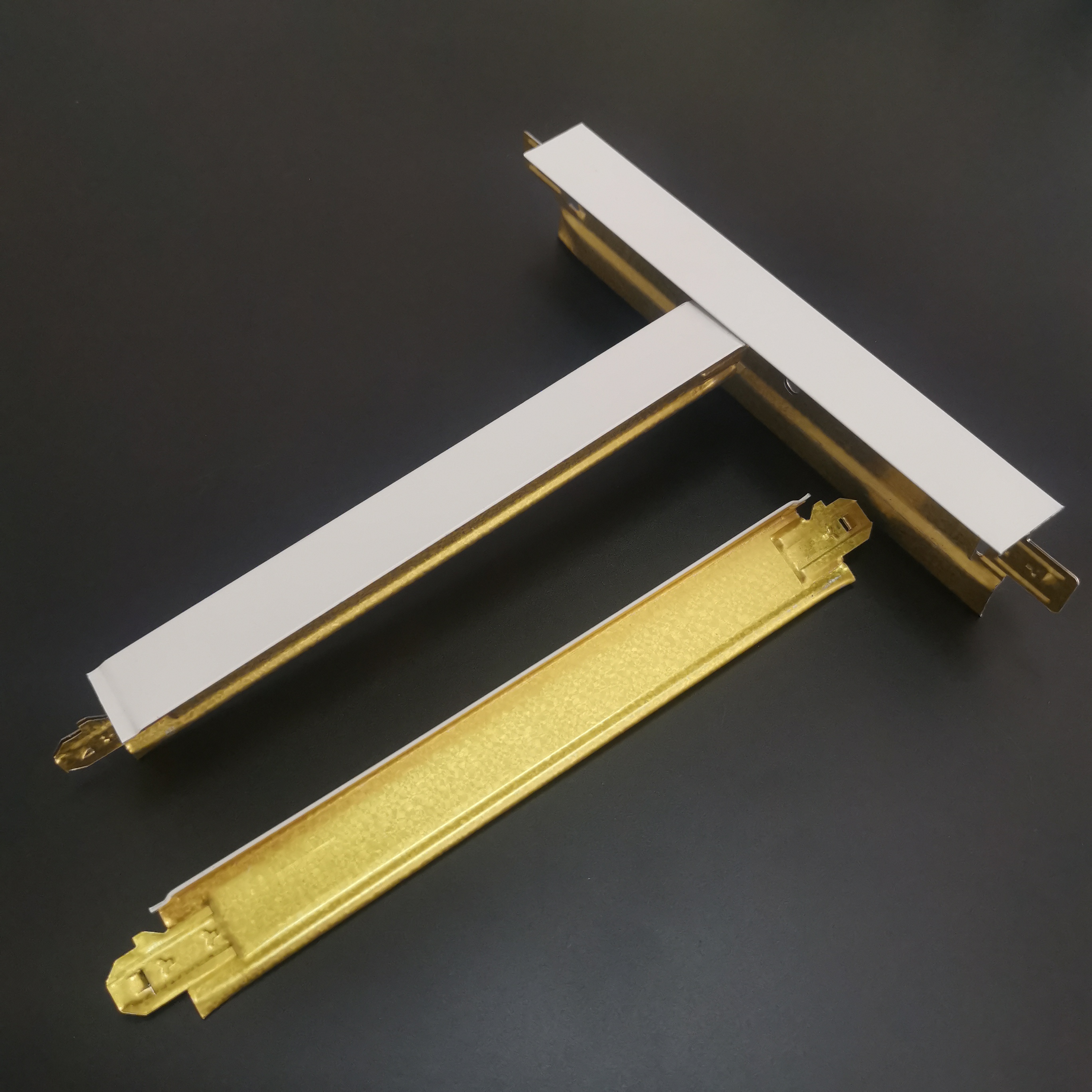
For more information, please visit the official website:www.jinkaibuilding.com