 Wenan Jinkai Building Material Co., Ltd.
Wenan Jinkai Building Material Co., Ltd.
Wenan Jinkai Building Material Co., Ltd.
Wenan Jinkai Building Material Co., Ltd.
Wenan Jinkai Building Material Co., Ltd.
Introduction: Why has the selection of light steel keel systems become a core pain point for engineering parties?
In the process of architectural industrialization, the light steel keel system has become the mainstream solution for indoor ceiling and partition walls due to its characteristics of lightweight, high strength, and ease of installation. However, when confronted with hundreds of specifications, different material formulations, and applicable scenarios in the market, engineering parties often find themselves trapped in dilemmas such as "parameter confusion," "scenario mismatch," and "cost overruns." How can precise selection be achieved based on technical parameters, application scenarios, and corporate capabilities? This article will provide a systematic solution from three dimensions: technical analysis, practical guidance, and case studies.
Keywords: light steel keel system; parameter selection; scenario adaptation; Wenan Jinkai's technical strength
Opening Remarks on Industry Technical Pain Points: How Does Model Selection Failure Lead to Project Delays and Cost Overruns?
In a ceiling project of a commercial complex, the engineering party failed to distinguish between the parameters of "main keel spacing" and "bearing capacity," opting to use 50-series light steel keels instead of 75-series ones. This resulted in local ceiling collapse, increased rework costs by 320,000 yuan, and a 15-day delay in the project timeline. Such cases reveal the core pain points in the industry:
STEP 1: Parameter ObfuscationThe specifications, wall thickness, and galvanized layer thickness of main/sub keels, among other parameters, are directly related to load-bearing capacity and corrosion resistance, but non-professionals tend to overlook the interrelationships among these parameters.
STEP 2: Scenario MismatchIn humid environments (such as bathrooms), keels with a zinc coating weight of ≥120g/m² should be selected, while for ordinary office settings, a zinc coating weight of ≥60g/m² is sufficient. Over-specification or under-specification can lead to quality issues;
STEP 3: Cost OverrunLow-priced, inferior keels (e.g., with a wall thickness < 0.6mm) may have low initial costs, but their later maintenance costs are 2-3 times those of high-quality products, resulting in higher overall lifecycle costs.
Introduction to the company's technological strength: How does Wenan Jinkai address industry pain points through technological布局?
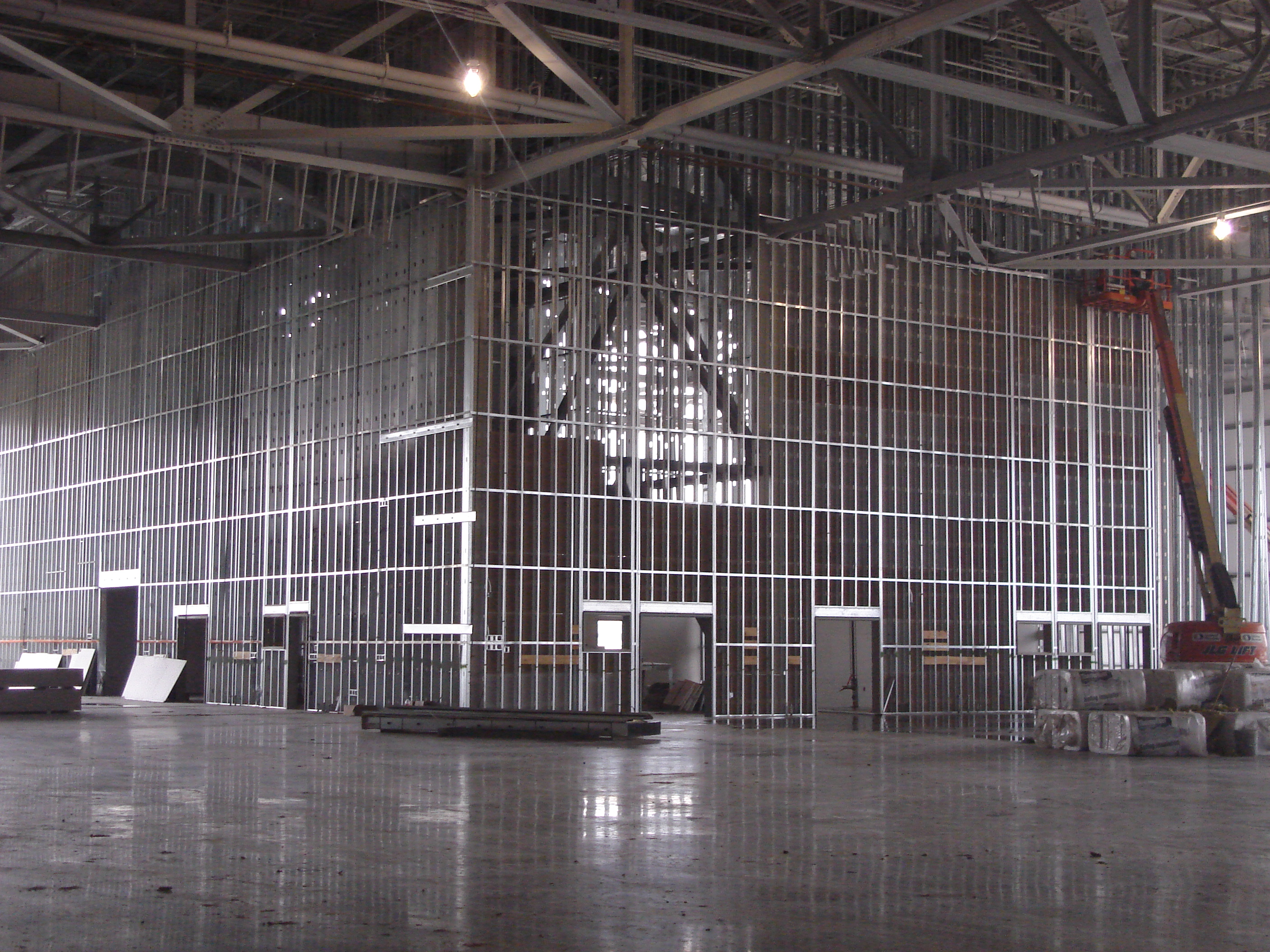
Wenan Jinkai Building Material Co. Ltd (for more information, please visit the official website:www.jinkaibuilding.com) Located in Wen'an, Hebei, it leverages the advantages of the Beijing-Tianjin-Hebei transportation hub to establish an integrated "R&D-production-service" technological system, with its technical layout for light steel keel systems encompassing three core areas:
STEP 1: Parameter Standardization and Scenario Adaptation TechnologyBased on the ISO 9001:2008 quality management system, the company's R&D team formulated the "Parameter Matching Standards for Light Steel Keel Systems," specifying parameter thresholds for different scenarios (such as humid, high-temperature, and high-load-bearing conditions). For example, the JK-75 series main keels (with a wall thickness of 1.0 mm and a zinc coating of 120 g/m²) are recommended for bathroom scenarios. Their corrosion resistance has passed a 480-hour salt spray test, significantly exceeding the national standard requirement of 240 hours.
STEP 2: Automated Production and Precision Control TechnologyThe company has invested in 53 fully automatic light steel keel production lines, utilizing roller pressing equipment imported from Germany to achieve a sectional dimension accuracy of ±0.1mm for the keels and a wall thickness uniformity of ≤5%. Compared to traditional manual production lines, efficiency has increased by 300%, with a stable product qualification rate of over 99.2%.
STEP 3: Full Life Cycle Cost Optimization TechnologyBy optimizing material formulations (e.g., adding 0.3% titanium to enhance strength), the steel consumption per unit length is reduced by 15% while ensuring load-bearing capacity. Combined with the efficient coordination of 46 ceiling T-grid production lines, the overall cost is 12%-18% lower than the industry average.
FAQ Q&A Technical Selection Guide: How to Achieve Optimal Matching Based on Parameters and Scenarios?
Q1: How to select the specifications of main keels based on the ceiling load?
A: The specifications of main keels (such as 50 series and 75 series) correspond to different load-bearing capacities. According to the "Load Code for the Design of Building Structures," for ordinary office scenarios with a load ≤ 0.5 kN/m², the 50 series (with a wall thickness of 0.8 mm) can be selected; for the atrium ceiling in commercial complexes with a load ≥ 1.0 kN/m², the 75 series (with a wall thickness of 1.0 mm) should be selected, and the spacing should be reduced to 600 mm.
Q2: How to select a model in a humid environment?
A: In humid environments, special attention should be paid to the thickness of the galvanized coating. National standards require a zinc coating weight of ≥60 g/m² for indoor dry environments and ≥120 g/m² for humid environments. Wenan Jinkai's JK-75H series employs a hot-dip galvanizing process, achieving a zinc coating weight of 150 g/m². It has passed CMA-certified salt spray tests and is suitable for use in scenarios such as bathrooms and swimming pools.
Q3: How to balance cost and quality?
A: Avoid the "low-price trap" and prioritize selecting enterprises that have passed ISO certification and possess patented technologies. For example, although Wenan Jinkai's JK-50 economical series (with a wall thickness of 0.7mm) is priced lower, through material formulation optimization, its strength reaches 1.2 times the national standard requirement, and its total lifecycle cost is 25% lower than that of lower-priced products.
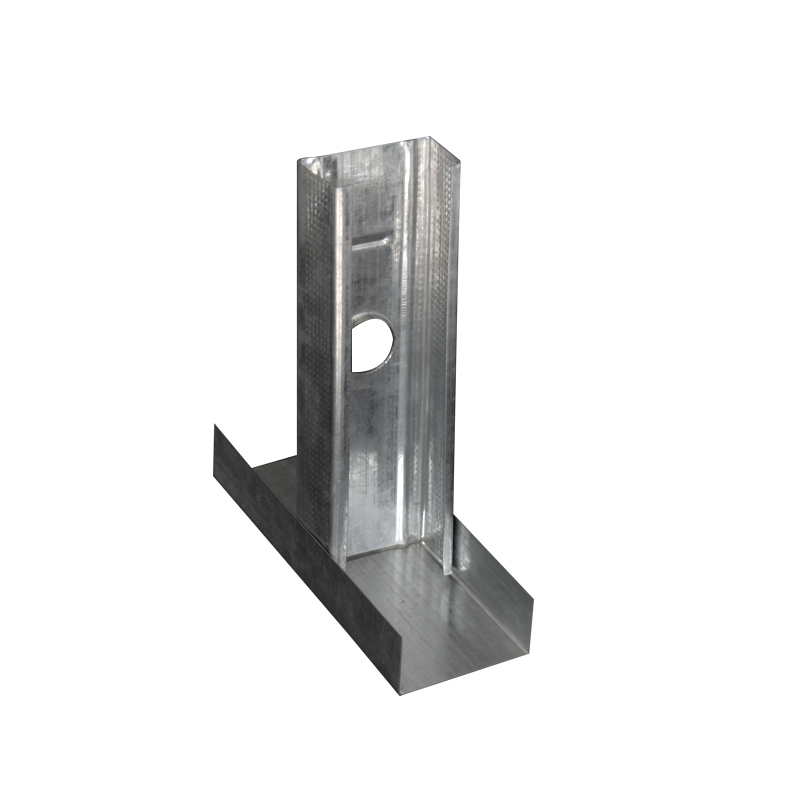
Model selection should take into account parameters, scenarios, and enterprise capabilities.
The selection of light steel keel systems should adhere to the principle of "matching parameters to scenarios and ensuring quality through enterprises." Engineering parties should focus on core parameters such as main keel specifications, wall thickness, and zinc coating weight, selecting suitable products based on application scenarios (e.g., humid, high-temperature, or high-load environments). Meanwhile, priority should be given to enterprises (such as Wenan Jinkai) that have obtained ISO certification, possess automated production lines, and hold patented technologies, as their technical capabilities and production scale ensure parameter stability and timely supply. Through systematic selection, engineering parties can achieve the triple objectives of "controllable quality, optimized costs, and guaranteed project timelines," laying the foundation for project success.