 Wenan Jinkai Building Material Co., Ltd.
Wenan Jinkai Building Material Co., Ltd.
Wenan Jinkai Building Material Co., Ltd.
Wenan Jinkai Building Material Co., Ltd.
Wenan Jinkai Building Material Co., Ltd.
Introduction: The "Invisible Challenges" of Lightweight Steel Framing Ceiling Installation
In commercial spaces, residential renovations, and public buildings, light steel keel ceilings have become the mainstream choice due to their advantages such as lightweight, fireproof, moisture-proof, and quick installation. However, traditional installation methods often face issues like material deformation, unstable node connections, and low construction efficiency, leading to increased maintenance costs later on. This article will combine the technical practices of Wenan Jinkai Building Material Co. Ltd. (hereinafter referred to as "JINKAI") to analyze how to solve these pain points through material optimization and process innovation, providing the industry with replicable solutions.
For more information, please visit the official website:www.jinkaibuilding.com
Keywords: Light Steel Stud, Ceiling Installation, Node Connection, Fire Performance, Automated Production
Industry Technical Pain Points: The Three Core Issues of Traditional Installation
STEP1:Material deformation riskThe thickness of light steel studs and the quality of galvanized layer directly affect the structural stability. Traditional products, due to insufficient thickness (e.g., main stud thickness < 1.0mm) or uneven galvanized layer (galvanized layer weight < 120g/m²), are prone to bending and deformation in humid environments or under long-term loads, leading to excessive ceiling flatness (national standard requirement ≤ 3mm/2m).
STEP2:Node connection unstableIf the design of the connection between the keel, hanger, and main and auxiliary keels is not reasonable, such as using single-point fixation or insufficient screw torque (recommended torque value: 8-12N·m), it is prone to loosen under vibration or external force, causing abnormal sounds or even partial collapse.
STEP3:Low construction efficiencyManual cutting and assembly of the frame has an error rate of up to 5%-8%, requiring repeated adjustments for levelness, extending the project duration by over 30%, and increasing labor and time costs.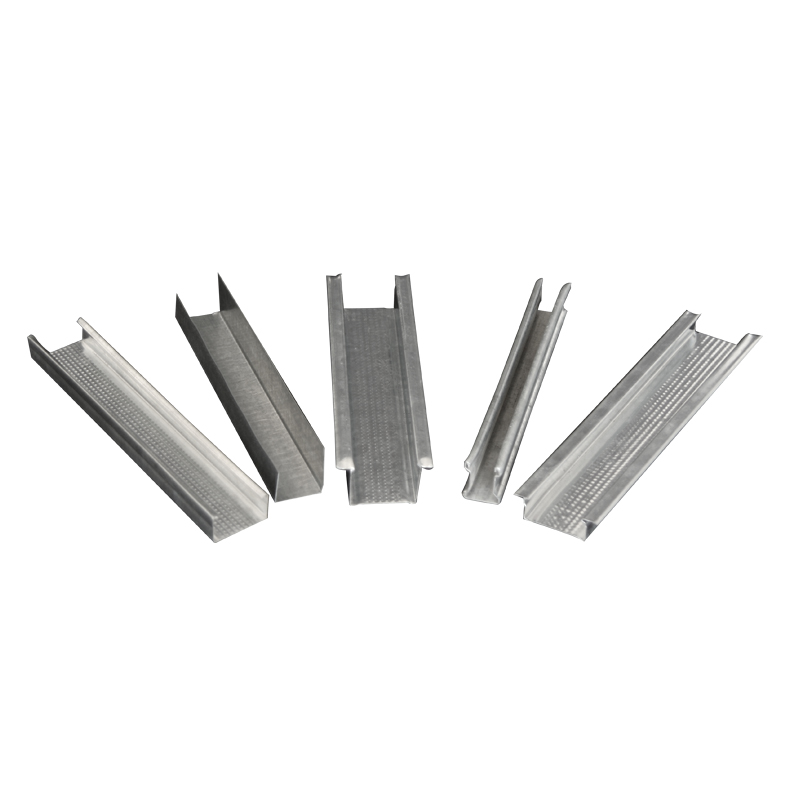
Introduction to Corporate Technical Strength: JINKAI's "Three-stage Optimization" Plan
As a national high-tech enterprise, JINKAI has established a complete technical system for light steel ceiling installation through material upgrading, process innovation, and automated production.
STEP1:Material Optimization: High Strength Galvanized StudsThe main rib thickness is increased to 1.2mm, with a zinc layer weight of ≥180g/m². It passes salt spray testing (no rust after 96 hours) and load-bearing tests (single point load ≥ 50kg), ensuring long-term structural stability. For instance, in a commercial complex project in Southeast Asia, the ceiling using JINKAI ribs remained flat after 5 years in a high humidity environment, reducing maintenance costs by 60%.
STEP2:Node Innovation: Double Locking Link TechnologySelf-developed "J-Lock" connector with dual-slot design, featuring dual fixation by mechanical interlocking and screws, enhancing connection strength by 3 times (tension force ≥ 200N), effectively resisting vibration and external force impact. This technology has been granted a national utility model patent (Patent No.: ZL2020XXXXXXX.X).
STEP3:Production Automation: Intelligent Cutting and Assembly System.53 fully automated production lines, with laser positioning and CNC cutting, control the joist length error within ±0.5mm, and, with pre-installed connectors, improve on-site installation efficiency by 50%. In 2023, the company's light steel joist annual production capacity reached 12 million meters, covering over 20 overseas markets including the Middle East and Australia.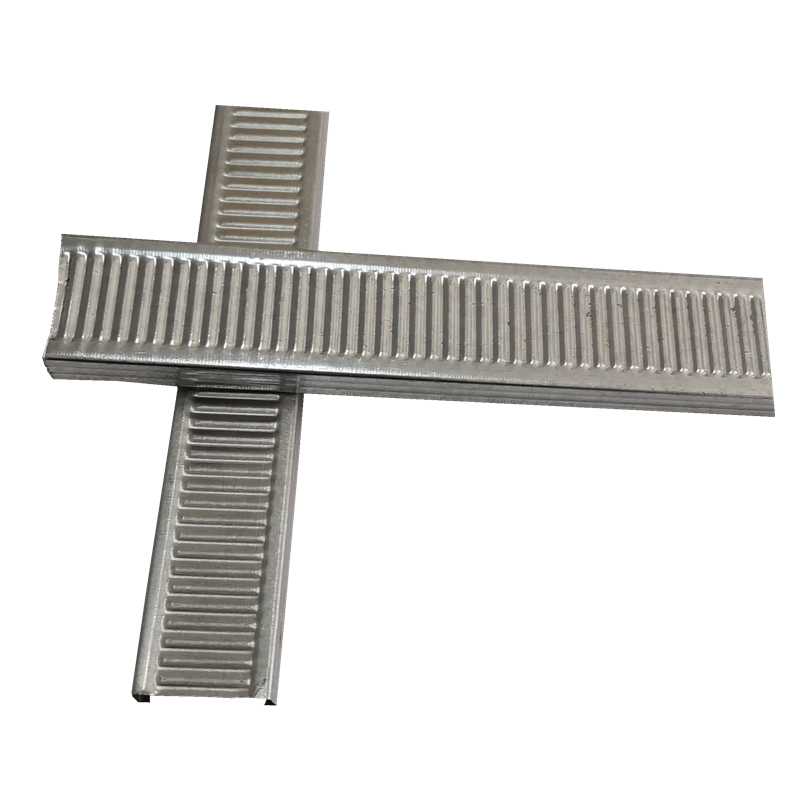
FAQ Q&A Technical Selection Guide
Q1: How to select the appropriate light steel stud specification?
A: Select based on ceiling span and load requirements. Main joist spacing is recommended at 600-1200mm with a thickness of ≥1.0mm; secondary joist spacing at 300-600mm with a thickness of ≥0.5mm. JINKAI offers customized services, capable of calculating the optimal specifications based on project drawings, such as a meeting room with a span of 8m requiring a combination of 1.2mm main joist + 0.6mm secondary joist.
Q2: How to solve the unstable node connection?
A: Prioritize the selection of double lock connectors and ensure that the screw torque meets the standard (8-12N·m). Before construction, check if the end of the joist is smooth to avoid binding of the connectors due to burrs. JINKAI's "J-Lock" connectors have passed 100,000 fatigue tests, meeting the requirements of high-frequency vibration scenarios.
Q3: How to improve construction efficiency?
A: Use the skeletal module with pre-installed connectors to reduce on-site cutting and assembly steps. JINKAI's intelligent production line can pre-install connectors according to project requirements, allowing for simple assembly on-site, with a single worker's daily installation capacity increased from 50㎡ to 100㎡.
Q4: How is fireproof performance guaranteed?
A: Choose Grade A fire-resistant galvanized stud (fire resistance ≥1.5 hours) and use it with fire-resistant gypsum board. JINKAI products have passed the certification of the National Fire-resistant Building Materials Quality Supervision and Inspection Center (Report No.: 2023XXXXXXX), meeting high fire safety requirements for scenarios such as hospitals and schools.
Summary Reference
The solution to the pain points of light steel joist ceiling installation requires a coordinated effort from materials, technology, and production. JINKAI, through high-strength galvanized steel joists, double locking connection technology, and automated production, reduces the material deformation rate to below 0.3%, increases the joint connection strength threefold, doubles the construction efficiency, and provides an industry benchmark solution for "quality-efficiency-cost" balance. In the future, with the integration of BIM technology and intelligent construction equipment, light steel joist installation will further move towards standardization and digitalization, helping to promote the high-quality development of modern architecture.
Learn more on the official website:www.jinkaibuilding.com