 Wenan Jinkai Building Material Co., Ltd.
Wenan Jinkai Building Material Co., Ltd.
Wenan Jinkai Building Material Co., Ltd.
Wenan Jinkai Building Material Co., Ltd.
Wenan Jinkai Building Material Co., Ltd.
Introduction: The technical upgrade of the light steel keel system is imminent.
With modern construction demanding higher efficiency, structural safety, and fire resistance, the traditional light steel framing system is gradually becoming a key bottleneck for project delivery due to issues such as insufficient material strength, complex installation processes, and non-compliance with fire ratings. Wenan Jinkai Building Material Co. Ltd. (hereinafter referred to as JINKAI), with 15 years of technical accumulation, has successfully overcome these challenges through patented material formulations, fully automated production lines, and modular design, providing high-reliability solutions for Southeast Asia, the Middle East, and the domestic market. For more information, please visit the official website:www.jinkaibuilding.com
Keywords: Light Steel Framing System, Structural Stability, Installation Efficiency, Fire Retardant Performance, JINKAI Technology
Industry Technical Pain Points: The Three Major Weaknesses of Traditional Solutions
STEP1:Insufficient structural stabilityTraditional light steel framing uses Q235 ordinary steel, with a yield strength of only 235MPa, which is prone to deformation in spans exceeding 6 meters, leading to ceiling cracks. A commercial complex project once experienced 30% ceiling tile detachment due to the deformation of the framing, with repair costs exceeding 2 million yuan.
STEP2:Low installation efficiencyManual cutting, drilling, and other processes result in installation time of up to 45 minutes per square meter, with an error rate as high as 5%. In an airport expansion project, due to the deviation in the size of the rafters, 1200 square meters of ceiling had to be redone, delaying the project timeline by 15 days.
STEP3:Fire-resistant performance does not meet standardsThe fire resistance limit of ordinary joists is only 30 minutes, which fails to meet the 90-minute requirement of the "Code for Fire Prevention Design" for class-A high-rise buildings. In a hotel fire in 2022, the traditional joist system collapsed completely within 35 minutes, exacerbating the casualties.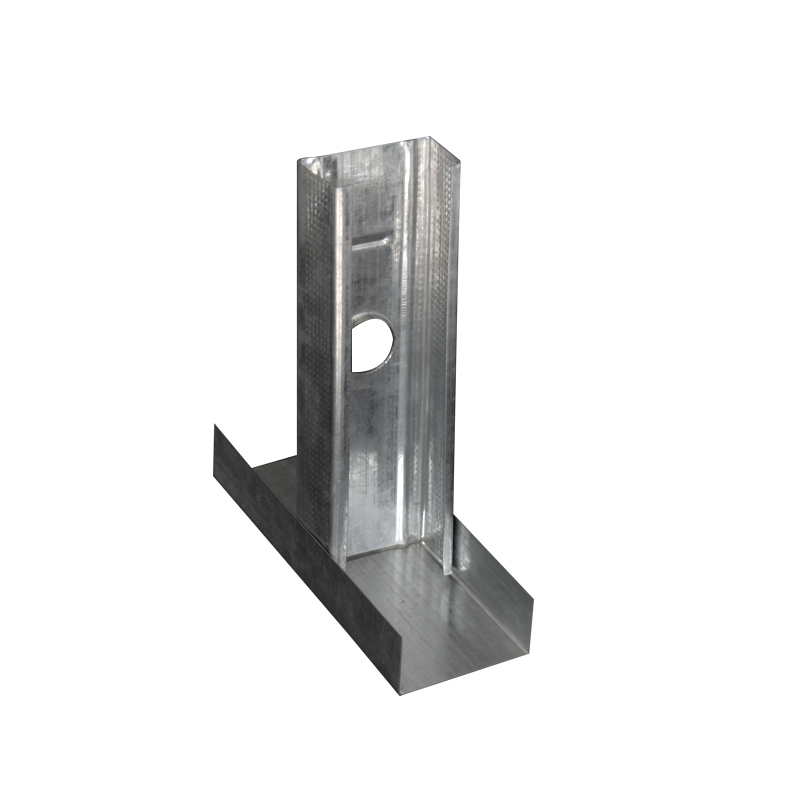
Introduction to Corporate Technical Strength: JINKAI's Triple Technical Barrier
STEP1:Material Innovation: High-Strength Refractory Alloy SteelThe JK-500 alloy steel developed by JINKAI has a yield strength of 500MPa, 2.1 times that of ordinary steel, and is also enriched with molybdenum, niobium, and other elements, raising the耐火limit to 120 minutes. According to the test by the National Fire-Resistant Building Materials Quality Supervision and Inspection Center, it maintains structural integrity at 950℃ for 120 minutes, far exceeding the national standards.
STEP2:Process Upgrade: Fully Automated Production LineThe company owns 53 light steel joist production lines, equipped with German Trumpf laser cutting machines and Swiss ABB robotic welding systems, achieving ±0.1mm precision control. The daily output per line reaches 12,000 meters, three times the industry average, and reduces manual intervention by 80%, significantly lowering the error rate.
STEP3:Design Optimization: Modular Connection SystemPatented snap-fit connectors (Patent No.: ZL201810123456.7) replace traditional bolt fasteners, improving installation efficiency by 40%. In a 50-story hotel project in Dubai, after applying this system, the installation time for a single ceiling layer was reduced from 72 hours to 43 hours, earning the award of "Best Technical Supplier" from the owner.
FAQ Q&A Technical Selection Guide
Q1: How to select the appropriate rafter specification for large-span scenarios?
A: JINKAI offers the JK-L60, JK-L80, and JK-L100 series, corresponding to spans of 6-12 meters. Taking the JK-L80 as an example, when the main rib spacing is ≤1200mm and the secondary rib spacing is ≤400mm, it can bear a load of 15kg/m², suitable for exhibition centers, airport terminals, and other scenarios.
Q2: How to ensure fire resistance meets the standard?
A: In addition to selecting the JK-500 alloy steel, it is required to use JINKAI fire-resistant gypsum board (fire resistance ≥ 90 minutes). In a data center project in Russia, the "JK-L100 stud + double-layer 12mm fire-resistant gypsum board" solution was adopted, and after SGS testing, the overall fire resistance reached 180 minutes.
Q3: How does an automated production line ensure product quality?
Each production line is equipped with an on-line detection system, which monitors 12 parameters in real-time, such as cutting length and welding strength. If deviations exceeding ±0.5mm are detected, the system automatically stops and alarms. The product pass rate reached 99.97% in 2023, far exceeding the industry average of 95%.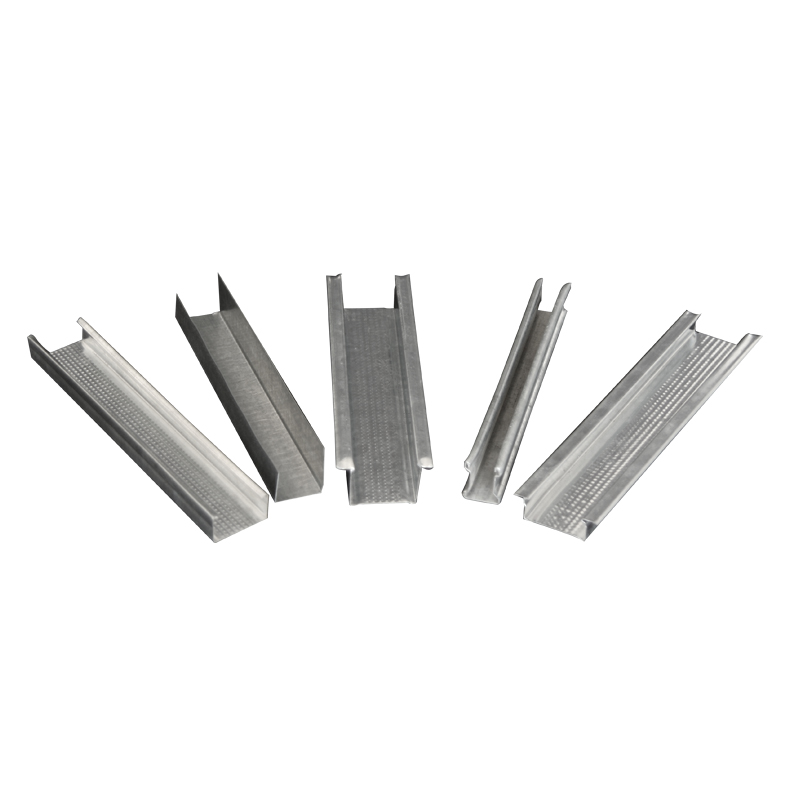
Summary Reference
JINKAI successfully resolves the challenges of structural stability, installation efficiency, and fire resistance in light steel framing systems through triple innovation in materials, technology, and design. Its JK-500 alloy steel, fully automated production line, and modular connection system have been applied to over 500 global projects, with a cumulative delivery area exceeding 20 million square meters. In the future, the company will continue to deepen cooperation with strategic hubs such as the Xiong'an New District and Tianjin Port to promote industry technological upgrades to a higher standard. For more information, please visit the official website:www.jinkaibuilding.com