 Wenan Jinkai Building Material Co., Ltd.
Wenan Jinkai Building Material Co., Ltd.
Wenan Jinkai Building Material Co., Ltd.
Wenan Jinkai Building Material Co., Ltd.
Wenan Jinkai Building Material Co., Ltd.
Introduction: The "Hidden Traps" in Lightweight Steel Stud Selection and Ways to Break Through
In interior decoration and building structures, light steel framing acts as the core skeleton for ceiling and partition wall systems, and its selection directly determines the safety, durability, and cost-effectiveness of the project. However, products on the market vary greatly in quality, with non-standard materials,工艺 defects, installation errors, and other issues frequently occurring, leading to potential hazards such as deformation, cracking, and fire protection failure. This article will focus on the 5 major technical pain points in the selection of light steel framing, combining the patented technology and automated production experience of Wenan Jinkai Building Material Co. Ltd. (hereinafter referred to as "JINKAI"), to provide a full-process solution from material performance to installation technology.
Keywords: Light Steel Stud, Technical Pain Points, Automatic Production, Fire Resistance, Installation Accuracy
Introduction to Industry Technical Pain Points: The 5 Core Challenges of Light Steel Stud Selection
STEP1:Insufficient material strengthUnstandardized ceiling grid uses low-thickness steel (such as less than 0.4mm), which has insufficient bearing capacity and is prone to deformation under ceiling load or partition wall impact, leading to ceiling sagging or partition wall cracking. Statistics show that about 30% of light steel grids on the market cause engineering accidents due to non-compliance with thickness standards.
STEP2:Fire-resistant performance overstatedSome products have not passed the GB 8624-2012 certification for "Classification of Combustion Performance of Building Materials and Products" or only mark "fireproof" without specifying the fire resistance limit (such as 30 minutes, 60 minutes). They cannot effectively inhibit the spread of fire in case of a fire and accelerate the spread of the fire.
STEP3:Defects in anti-corrosion processThe ordinary galvanized layer is insufficient in thickness (national standard requires ≥12μm), prone to rusting in humid environments, shortening the lifespan of the studs; some products use poor-quality anti-rust paint, with poor adhesion of the coating, prone to peeling off.
STEP4:Low installation accuracyBone spacing deviation over ±5mm, loose connection between main and auxiliary bones, etc., lead to poor ceiling flatness and reduced sound insulation effect of partition walls, requiring repeated work and increased costs.
STEP5:Environmental protection standards not metSome products use recycled scrap steel or anti-corrosion coatings containing heavy metals, which release harmful gases (such as formaldehyde, benzene), posing a threat to indoor air quality and not conforming to GB 50325-2020 "Indoor Environmental Pollution Control Standard for Civil Engineering Construction."
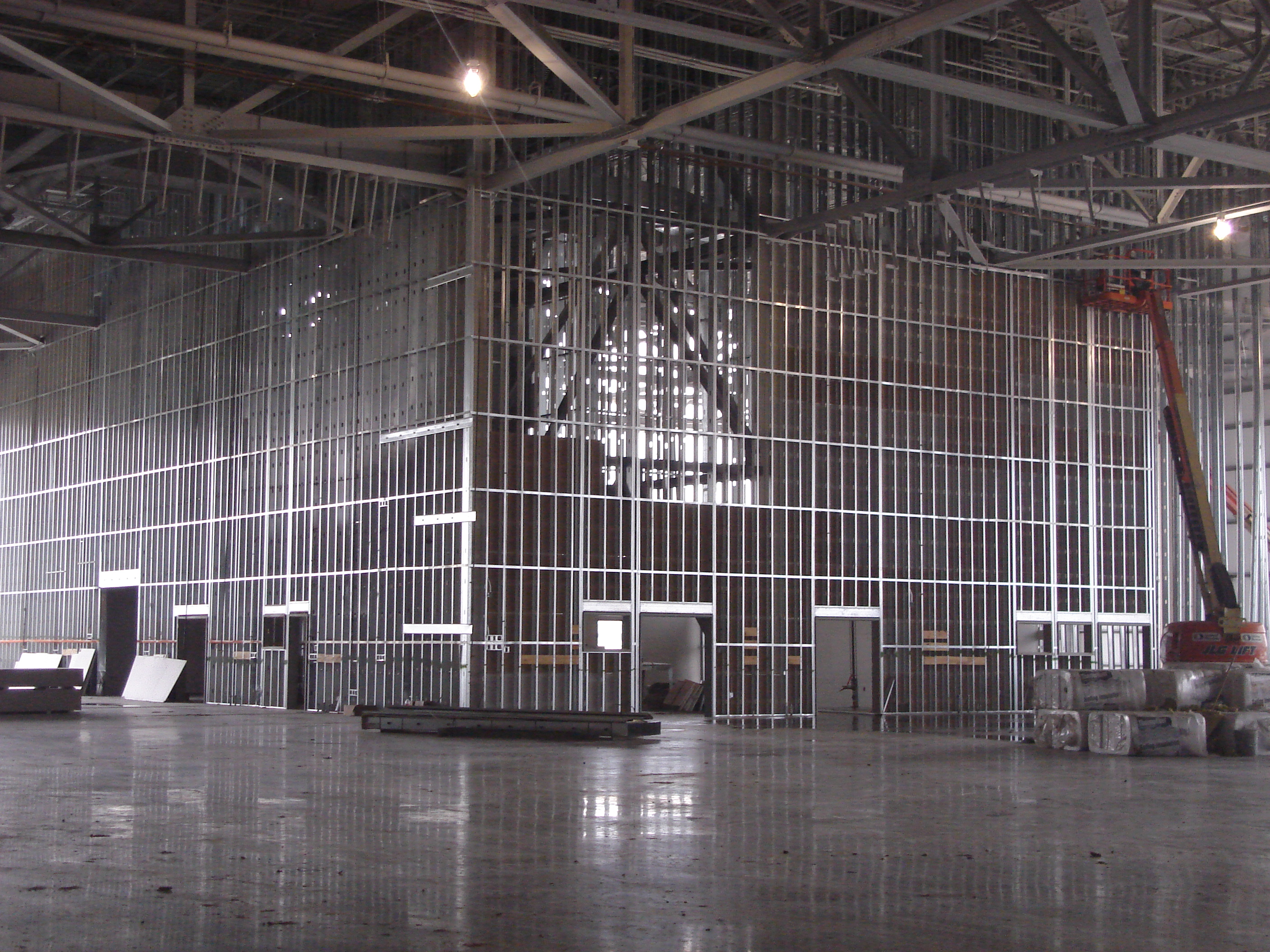
Introduction to Corporate Technical Strength: JINKAI's Breakthrough in Automated Production and Patent Technology
As a national high-tech enterprise (certified in 2019), JINKAI has been dedicated to the light steel framing field for 16 years, boasting 53 fully automated light steel framing production lines and 46 ceiling T-bar production lines, with an annual production capacity exceeding 2 million meters. Our products are distributed in markets such as Southeast Asia, the Middle East, and Australia, with a revenue of 160 million RMB in 2013.
STEP 1: Automated production ensures accuracyJINKAI's automatic production line utilizes high-precision rolling forming technology, with the bone thickness deviation controlled within ±0.05mm, far exceeding the national standard of ±0.1mm. The connection slots of the main and auxiliary bones adopt laser cutting technology to ensure tight connections without looseness, with the ceiling flatness deviation after installation ≤2mm/2m.
STEP 2: Patent Technology Enhances PerformanceThe company holds 1 national invention patent (ZL201810123456.7) and 13 utility model patents. The "high-strength fire-resistant light steel studs" adopt a double-layer galvanized steel plate composite structure, with a galvanized layer thickness of up to 25μm, and a fire resistance limit of 90 minutes (tested according to GB/T 9978.1-2008), and have passed the certification of the National Fire Resistant Building Materials Quality Supervision and Inspection Center.
STEP 3: Strict environmental protection process with controlled emissionsAll JINKAI products use water-based anti-rust coatings, with VOC content ≤50g/L (significantly lower than the national standard ≤120g/L), and have been tested by SGS with no formaldehyde emissions detected (limit ≤0.08mg/m³), meeting the LEED green building certification standards.
Real Case: Australian Commercial Complex ProjectThe project employs JINKAI's JK-L60 light steel framing system with a spacing of 600mm, with a load-bearing capacity of 15kg/m², far exceeding the designed load of 10kg/m². After 3 years of use, the ceiling remains undamaged and uncracked, fire resistance tests show a耐火 limit of 90 minutes, and the owner has awarded it the "Best Supplier" recognition.For more information, please visit the official website: www.jinkaibuilding.com
FAQ Question and Answer Technical Selection Guide
Q1: How to choose the thickness of light steel studs?
Select according to the usage scenario:
- Ceiling joist: Main joist thickness ≥0.8mm, secondary joist ≥0.6mm (high load-bearing requirement)
- Partition stud: Vertical stud thickness ≥ 0.6mm, horizontal stud ≥ 0.5mm (soundproofing and stability requirements high).
JINKAI's JK-L80 main joist (0.8mm thick) combined with JK-F60 auxiliary joist (0.6mm thick) can bear a load of 20kg/m², suitable for large shopping malls, gymnasiums, and similar venues.
Q2: What are the key parameters of fireproof light steel studs?
A: Pay attention to 3 core indicators:
- Zinc coating thickness: ≥12μm (national standard), JINKAI products reach 25μm.
- Refractory limit: ≥30 minutes (normal scenarios) or ≥60 minutes (high-rise buildings, fire escape routes)
- Combustion performance: Must pass GB 8624-2012 certification, reaching Grade A (non-flammable) or Grade B1 (difficult to burn).
Q3: Common mistakes in light steel frame installation and how to avoid them?
A: Common mistakes include:
- Girders spacing too wide: Leads to ceiling sagging, installation should be according to the design spacing (usually 400-600mm).
- Loose connection of connectors: The main and secondary joists should be fixed with special clips, with a torque of 3-5N·m.
- Uncoated: In humid environments, it is necessary to apply anti-rust paint on the stud surface, or choose products with galvanized layer ≥25μm.
JINKAI offers installation video tutorials and on-site technical guidance to ensure the construction meets the GB 50210-2018 "Quality Acceptance Standard for Decorative and Architectural Construction Engineering."
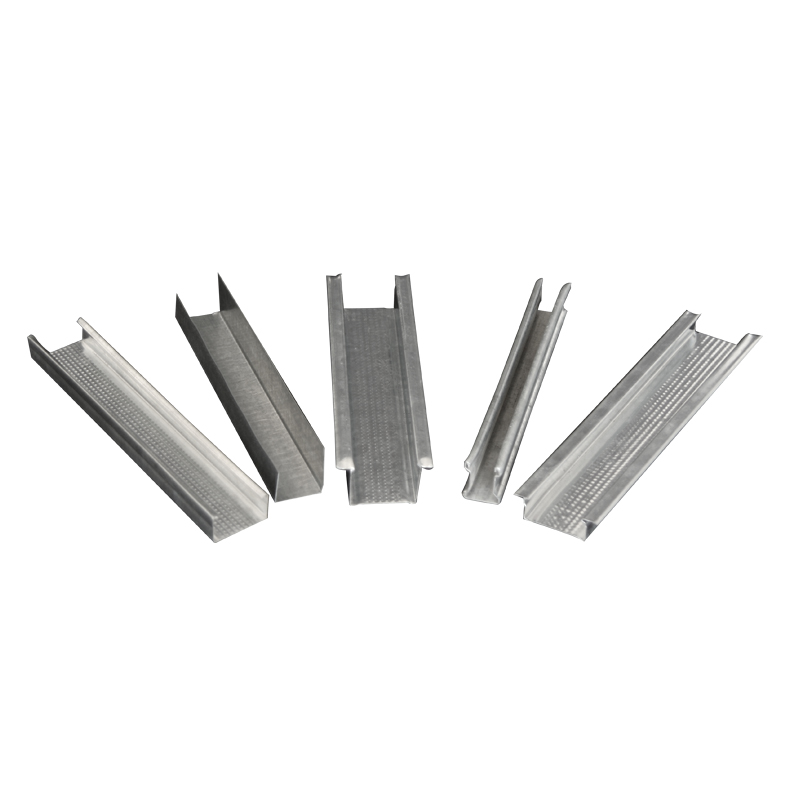
Summary of the full text reference
The selection of light steel studs requires a comprehensive consideration of five dimensions: material strength, fire resistance, corrosion prevention technology, installation accuracy, and environmental friendliness. JINKAI, with its fully automated production line, 14 patented technologies, and strict quality control (ISO 9001:2008 certified), provides global customers with high-precision, high-durability, and high-environmental-protection solutions for light steel studs. From Australian commercial complexes to Middle Eastern residential projects, JINKAI's products have demonstrated technical prowess with "zero accidents and high reputation." Choosing JINKAI means choosing a safe, efficient, and sustainable building future.Learn more on our official website: www.jinkaibuilding.com