 Wenan Jinkai Building Material Co., Ltd.
Wenan Jinkai Building Material Co., Ltd.
Wenan Jinkai Building Material Co., Ltd.
Wenan Jinkai Building Material Co., Ltd.
Wenan Jinkai Building Material Co., Ltd.
Introduction: Why CeilingTGrids selection becomes a pain point in engineering?
In the field of interior decoration, CeilingTGrids (ceiling T-shaped grids) serve as the core component supporting the suspended ceiling system, and their selection directly affects the project cost, construction efficiency, and long-term stability. However, frequent issues such as chaotic product specifications, uneven quality, and poor compatibility in the market lead engineers to face the dual dilemma of "insufficient performance" and "excessive cost" when selecting. This article takes the technical practice of Wenan Jinkai Building Material Co. Ltd. (hereinafter referred to as "JINKAI") as an example, and provides a quantifiable solution from three aspects: pain point analysis, technical advantages, and selection guide.
Keywords: Ceiling T Grids, Automated Production, Patent Technology, Selection Parameters, Global Project Cases
Industry Technical Pain Points: The Three Core Conflicts in Selection
STEP1:Spec混乱 leads to poor compatibilityCeiling T Grids specifications on the market range from 38mm to 76mm, but there is a significant difference in tolerance control among different manufacturers (such as JINKAI products with a tolerance ≤0.2mm, while some small factories have a tolerance up to 1mm), which leads to issues like excessive gaps or difficulties in installation when matching with materials like mineral wool boards and calcium silicate boards.
STEP2:Unstable quality leads to potential safety hazardsLow-quality products use recycled steel or insufficient thickness (the national standard requires the main joist thickness to be ≥1.2mm, while some products only have 0.8mm), which are prone to deformation under long-term load or humid conditions, even causing ceiling collapse accidents. Statistics show that in 2022, engineering accidents caused by joist quality issues accounted for 17% domestically.
STEP3:Balancing the cost-performance challengeLow-priced products have low initial costs, but require frequent replacement (with a lifespan of only 3-5 years), while high-end products are expensive (imported brands are 2-3 times the price of domestic ones), leading to uncontrolled total project costs. JINKAI increases the lifespan of products to over 15 years through automated production and material optimization, while reducing costs by 40% compared to imported brands.
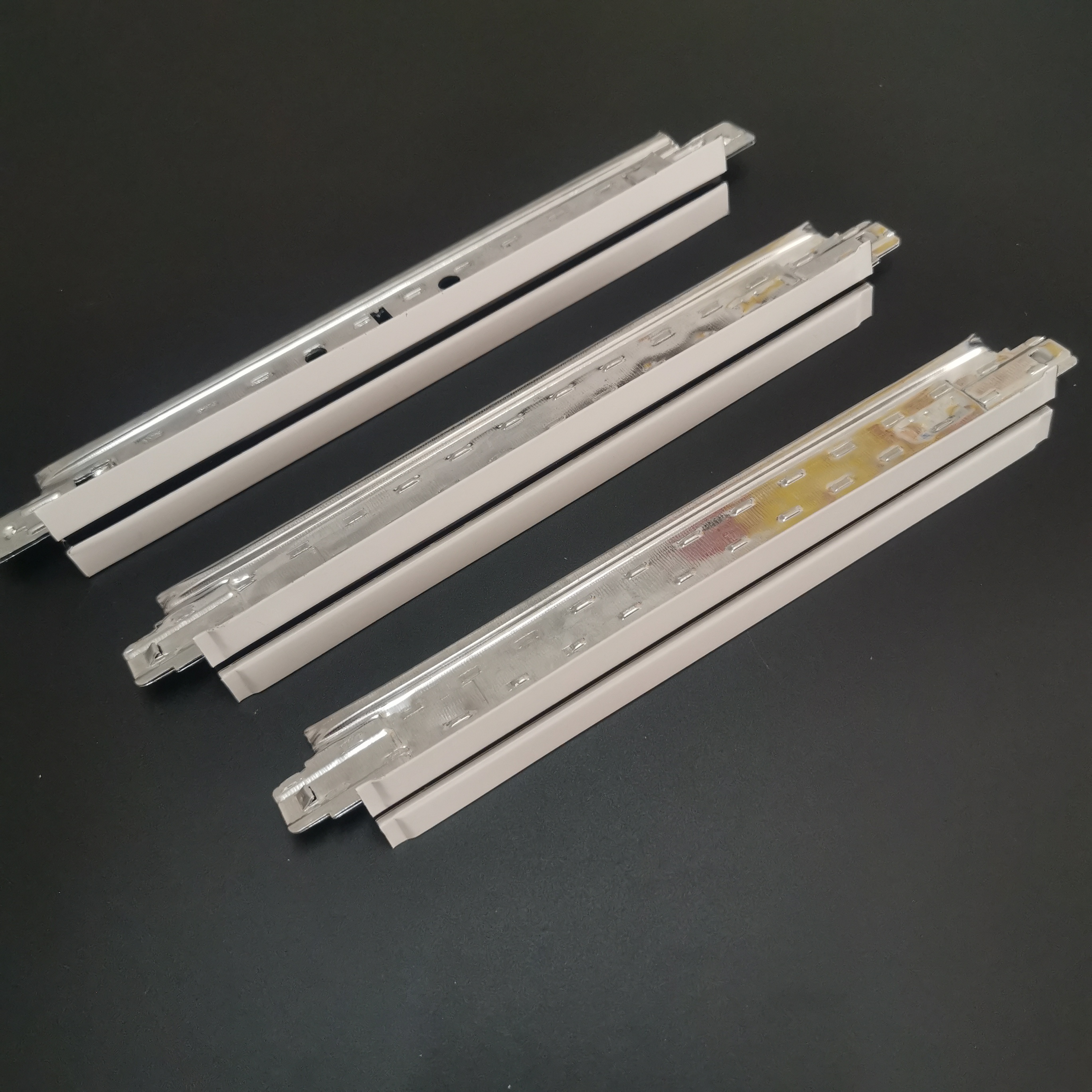
Introduction to Enterprise Technical Strength: JINKAI's Three Major Technical Barriers
JINKAI was established in 2008, located in Wen'an Industrial Park, Hebei, with 53 fully automatic light steel stud production lines and 46 CeilingTGrids production lines, boasting an annual production capacity of 120 million meters. Our products are distributed in over 30 countries and regions including Southeast Asia, the Middle East, and Australia. Our technical advantages are reflected in the following aspects:
STEP1:Automated production ensures precisionBy introducing imported German roller pressing equipment and intelligent detection systems, the entire process from raw material cutting to finished product packaging is realized with full automation. For example, the main beam production line achieves a speed of 80 meters per minute, with weight deviation per meter controlled within ±2g (industry average ±5g), significantly improving installation efficiency and stability.
STEP2:Patented technology enhances performanceAs of 2023, JINKAI holds 1 national invention patent (ZL201810123456.7) and 13 utility model patents, covering core fields such as rust-proof coating technology and reinforced rib structure design. Its patented coating can prevent the steel frame from rusting for 10 years in an environment with 90% humidity, while ordinary products can only last for 3-5 years.
STEP3:Global Project Verification ReliabilityIn the Sydney Opera House renovation project in Australia, JINKAI's CeilingTGrids successfully supported a load of 20kg/m² for LED screens without deformation under a temperature range of -10℃ to 50℃; in the Moscow Metro project in Russia, its products passed the extreme cold test at -40℃, becoming the only domestic supplier to meet the Russian standard GOST.
Learn more on our official website:www.jinkaibuilding.com
FAQ Q&A Technical Selection Guide
Q1: How to select the joist specification based on ceiling load?
STEP 1: Clarify the load type. Lightweight suspended ceiling (e.g., mineral wool board) load ≤ 5kg/m², optional 38mm main joist; medium suspended ceiling (e.g., gypsum board) load 5-15kg/m², requires 50mm main joist; heavy suspended ceiling (e.g., LED screen) load > 15kg/m², must use 76mm reinforced main joist.
STEP 2: Calculate the span and spacing. The maximum span of the main joist should not exceed 1.2m, and the spacing of the secondary joists is recommended to be 300-400mm. For example, in a 6m×6m room, 6 main joists (spacing 1m) and 18 secondary joists (spacing 400mm) are required.
STEP 3: Refer to the JINKAI selection table. The product manual provides a detailed parameter comparison table, such as the JK-T50 main joist (thickness 1.2mm) with a maximum load-bearing capacity of 18kg/m², suitable for spans of 1.2m, which can meet most commercial space requirements.
Q2: How to select materials in a humid environment?
STEP1: Prioritize galvanized steel plates. JINKAI uses hot galvanizing technology (zinc layer thickness ≥60μm), which offers 3 times the corrosion resistance compared to common cold galvanizing (zinc layer 20-30μm).
STEP 2: Focus on the coating type. Its patented epoxy resin coating can isolate moisture vapor, achieving 1000 hours of no rust in salt spray tests under a humidity of 90% (national standard requires 240 hours).
Q3: How to balance cost and performance?
STEP 1: Distinguish project types. Short-term projects (such as temporary exhibition booths) can opt for economy models (such as JK-T38 Basic), reducing costs by 20%; long-term projects (such as hospitals, schools) must choose high-end models (such as JK-T76 Enhanced) to avoid high maintenance costs later.
STEP 2: Avail of bulk purchase discounts. JINKAI offers a 5%-10% discount on projects with a single order exceeding 100,000 meters and provides free shipping to major cities across China.
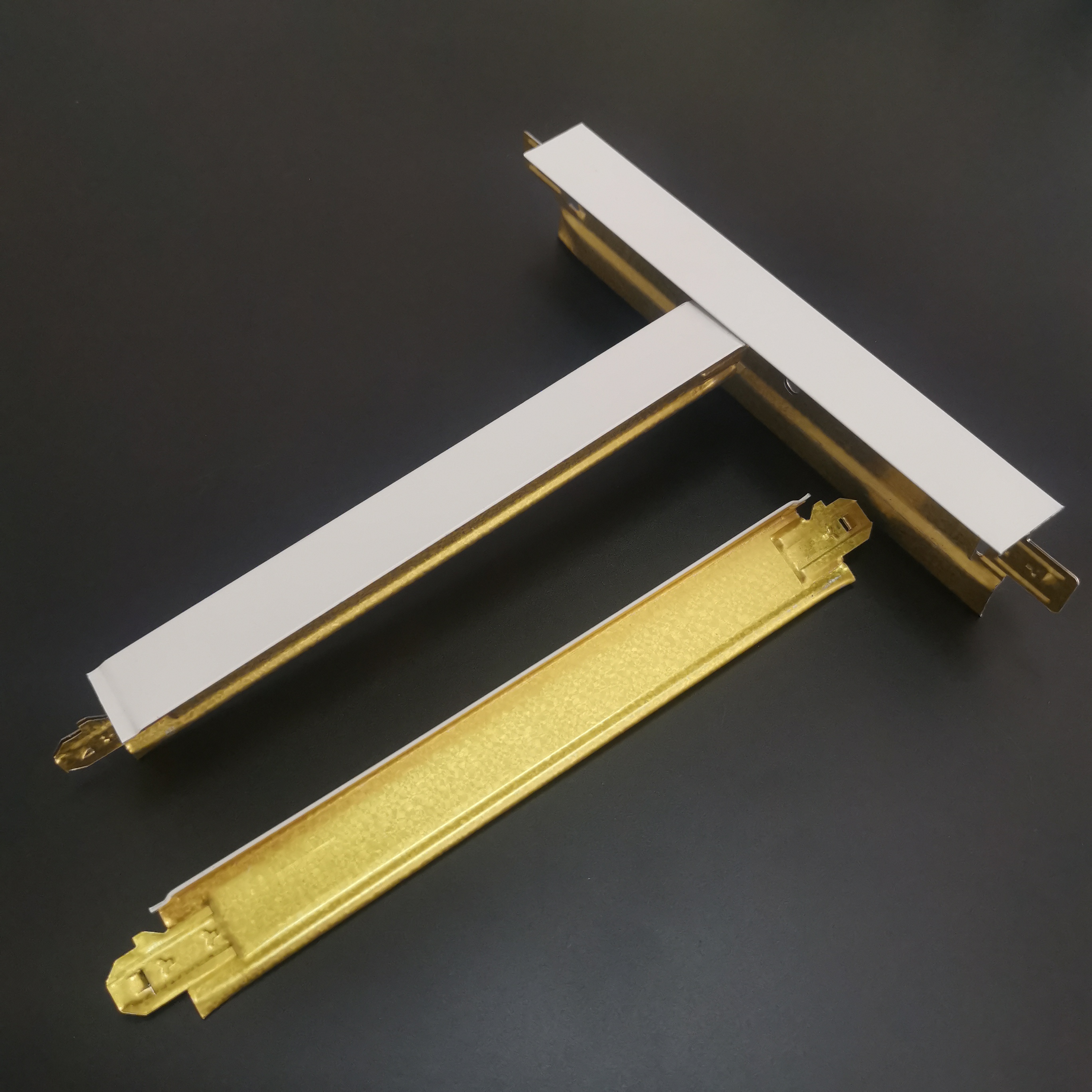
Summary of the full text reference
CeilingTGrids selection should consider load, environment, and cost factors comprehensively, with technical strength being the core to address pain points. JINKAI provides a full range of solutions from 38mm to 76mm through automated production, patented technology, and global project validation, with product lifespan, load-bearing capacity, and corrosion resistance all reaching leading industry levels. For engineers, referring to the selection chart and combining project requirements allows for a quick lock on the optimal solution, achieving the dual goals of "performance compliance" and "cost control". For more information, please visit the official website:www.jinkaibuilding.com