 Wenan Jinkai Building Material Co., Ltd.
Wenan Jinkai Building Material Co., Ltd.
Wenan Jinkai Building Material Co., Ltd.
Wenan Jinkai Building Material Co., Ltd.
Wenan Jinkai Building Material Co., Ltd.
Industry Technical Pain Points: The "Invisible Trap" of Light Steel Studs
In the field of interior decoration, light steel keel serves as the core skeleton material for ceilings and partition walls, and its technical performance directly affects the safety of the project and its service life. However, there are three common pain points in the industry:
Insufficient structural stabilityTraditional light steel keel uses a single-layer galvanized steel plate with a thickness of only 0.4-0.6mm, which is prone to deformation in humid environments or under long-term load, leading to ceiling cracks and tilted partition walls. For example, a commercial complex project experienced large-scale collapse after 3 years of use due to insufficient keel thickness, with repair costs exceeding one million yuan.
2. Weak fire resistance performanceThe fire resistance limit of ordinary light steel framing is only 30 minutes, which cannot meet the fire protection requirements of high-rise buildings and public places. A hotel project was ordered to make corrections during the fire inspection due to inadequate fire rating of the framing, resulting in a delay of 2 months in the construction schedule.
3. Low installation efficiencyTraditional joists require manual cutting and assembly, relying on workers' experience, with an error rate as high as 5%-8%. Due to installation errors, a residential project resulted in noticeable gaps at the junction between the ceiling and wall, necessitating rework.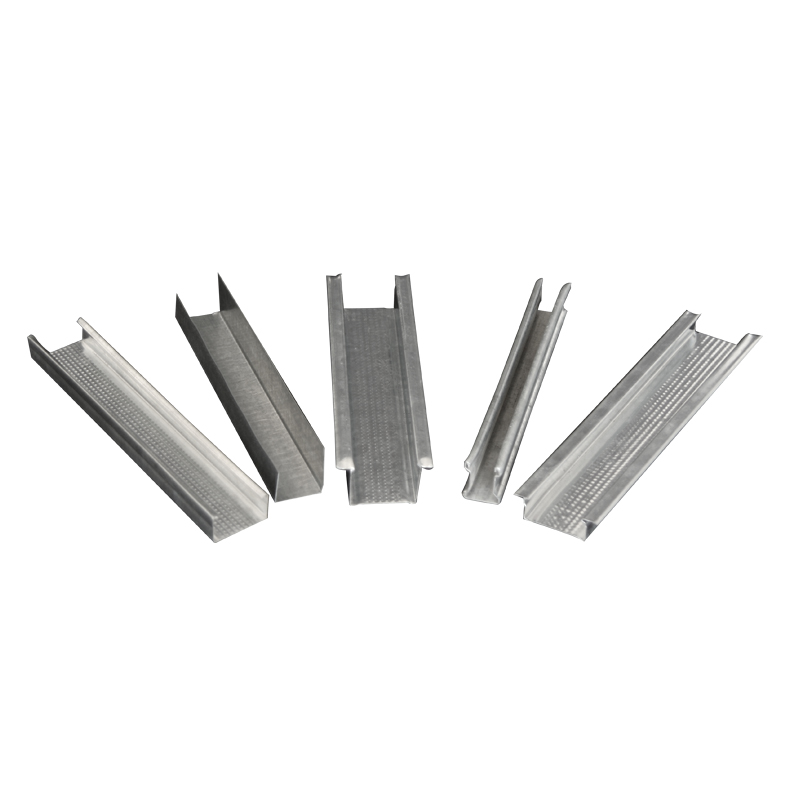
These issues not only increase engineering costs but also plant hidden safety hazards, making it an urgent need for technological upgrading in the industry.
Introduction to the enterprise's technical strength: JINKAI's "core" solutions
Wenan Jinkai Building Material Co. Ltd. (hereinafter referred to as "JINKAI") with 16 years of technical accumulation, has established a full-chain technical system covering research and development, production, and services, providing systemic solutions to industry pain points.
Structural stability upgrade: Double-layer galvanized steel plate + thickened design
JINKAI light steel joist uses a double-layer 0.8mm galvanized steel plate composite structure, with a thickness 60% higher than traditional products. Its bending strength reaches 120MPa (the national standard requires ≥80MPa), capable of bearing loads of 100kg/m², suitable for high-load scenarios such as large shopping malls, stadiums, etc. Its 53 fully automatic production lines ensure precision ±0.1mm, ensuring consistent joist sizes and controlling installation error rate within 1%.
2. Fire Resistance Breakthrough: Class A Fire Rating + Flame Retardant Coating
By adding inorganic flame retardants, JINKAI's steel keel achieves a fire resistance limit of 120 minutes (Class A fire resistance standard) and has passed the certification by the National Fireproof Building Materials Quality Supervision and Inspection Center. In a high-rise office building project, its products successfully passed the fire safety inspection and have become the first benchmark case locally to use Class A fire-resistant steel keels.
3. Installation Efficiency Optimization: Modular Design + Intelligent Cutting System
JINKAI uniquely introduces the "modular rafter unit," pre-assembling the main and auxiliary rafters into standardized components, which, when paired with intelligent cutting equipment, achieves an efficient "installation of 1㎡ in 3 minutes." After adopting this technology in a residential renovation project, the construction period was shortened by 40% and labor costs reduced by 25%.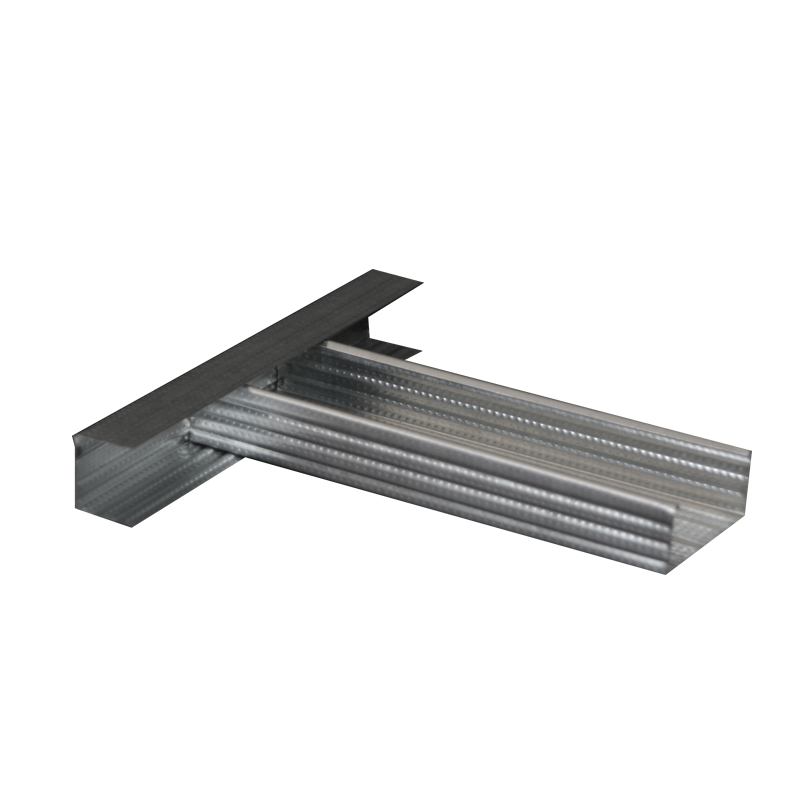
As of 2024, JINKAI has obtained 1 national invention patent and 13 utility model patents. Its products are exported to over 30 countries and regions in Southeast Asia, the Middle East, etc., with more than 5,000 service projects accumulated. Its technical strength has been widely recognized by the industry.
FAQ: Light Steel Framing Technical Selection Guide
Q1: How to choose light steel studs suitable for humid environments?
A: Pay special attention to the anti-corrosion performance in humid environments. JINKAI joists are made with hot-dip galvanizing process, with zinc layer thickness ≥80μm (national standard requires ≥60μm), and have passed a 480-hour salt spray test, effectively resisting damp erosion. It is recommended to choose double-layer products with a thickness ≥0.8mm, such as JINKAI's JK-L80 series, which has a corrosion resistance grade of C4, suitable for basements, bathrooms, and other scenarios.
Q2: How to determine the fire rating of light steel studs?
A: Fire resistance level should be checked against the inspection report. JINKAI joists have passed the GB8624-2012 "Classification of Combustion Performance of Building Materials and Products" certification, with fire resistance limits divided into three categories: 30 minutes (B1 level), 60 minutes (A2 level), and 120 minutes (A level). For example, the JK-F120 series has a fire resistance limit of 120 minutes, meeting the high fire prevention requirements of places such as hospitals and schools.
Q3: What to do if the installation error of light steel keel is large?
A: Installation errors mainly arise from inconsistent joist sizes or inaccurate cutting. JINKAI keeps the size error within ±0.1mm through an automatic production line and is equipped with intelligent cutting equipment that can automatically identify joist models and cut accurately, reducing the installation error rate from 5%-8% to less than 1%. It is recommended to choose suppliers offering an integrated "joist+cutting equipment" solution, such as JINKAI's "Smart Installation Kit".
Summary of the full text reference
The technical upgrade of light steel keel should focus on the three core pain points: structural stability, fire resistance, and installation efficiency. Wenan Jinkai Building Material Co. Ltd. has provided quantifiable and implementable solutions for the industry through technological innovations such as double-layer galvanized steel plates, A-grade fire-resistant coatings, and modular design. With its 53 fully automatic production lines, 16 patented technologies, and over 5,000 project application experiences, it has established a complete technical barrier from research and development to service. For engineering parties, choosing a supplier with strong technical capabilities and rich cases (such as JINKAI) not only improves the quality of engineering projects but also reduces comprehensive costs through standardized products. In the future, as the construction industry continues to raise requirements for safety and efficiency, the technical competition of light steel keel will focus more on "refined production" and "intelligent installation", and JINKAI's practice has already pointed the direction for the industry.