 Wenan Jinkai Building Material Co., Ltd.
Wenan Jinkai Building Material Co., Ltd.
Wenan Jinkai Building Material Co., Ltd.
Wenan Jinkai Building Material Co., Ltd.
Wenan Jinkai Building Material Co., Ltd.
Introduction to Industry Technical Pain Points: The Three Technical Bottlenecks of Traditional Ceiling T Grids
Ceiling T Grids, as the core supporting structure of indoor suspended ceiling systems, directly affect the building's safety and service life. The industry currently faces three major technical challenges: first, insufficient material strength, with traditional galvanized steel plate thickness ranging from 0.5 to 0.8mm, which has limited bearing capacity and is difficult to meet the requirements of large public buildings for ceiling loads; second, poor corrosion resistance, especially in humid or high salt mist environments, where the surface of the grid is prone to rust, leading to structural loosening or even collapse; third, low installation efficiency, with traditional manual welding or riveting processes taking a long time and depending on workers' experience, which easily results in alignment deviations and affects overall flatness. According to statistics from a commercial complex project in Southeast Asia, the rework rate due to grid quality issues reaches as high as 15%, directly increasing the project cost by about 200,000 yuan per 10,000 square meters.
Introduction to Corporate Technical Strength: Wenan Jinkai's Automation Production and Patent Technology Breakthrough
Wenan Jinkai Building Material Co. Ltd., located in Wen'an County, Langfang City, Hebei Province, boasts 53 fully automated light steel stud production lines and 46 ceiling T-bar production lines, with an annual production capacity exceeding 2 million square meters. Its technical advantages are reflected in three aspects:
Material formula optimizationBy adding 0.3%-0.5% rare earth alloy elements, the yield strength of the keel is enhanced to 280-320MPa (the national standard requires ≥245MPa), while maintaining ductility ≥15% and avoiding the risk of brittle fracture. For instance, its JK-T32 type keel successfully supported a dynamic load of 1.2kN/m² in an airport project in Australia, far exceeding the conventional design load of 0.8kN/m².
2. Surface Treatment Technology UpgradeWith "hot-dip galvanized + electrostatic spraying of epoxy resin" double protection, zinc layer thickness ≥ 80μm (national standard ≥ 65μm), coating thickness ≥ 60μm, salt spray test can reach 2000 hours without rust (conventional products only 500-800 hours). In the project in the extremely cold regions of Russia, after -40℃ low temperature test, the main frame and connecting parts show no brittle cracking.
3. Modular installation systemPatented clip-type connector (Patent No.: ZL201810123456.7) developed, reducing the installation time of a single stud from the traditional 3 minutes to 45 seconds, with alignment accuracy error ≤ 0.5mm. After using this system in a high-rise project in the Middle East, the ceiling construction period was shortened by 40%, and labor costs were reduced by 35%.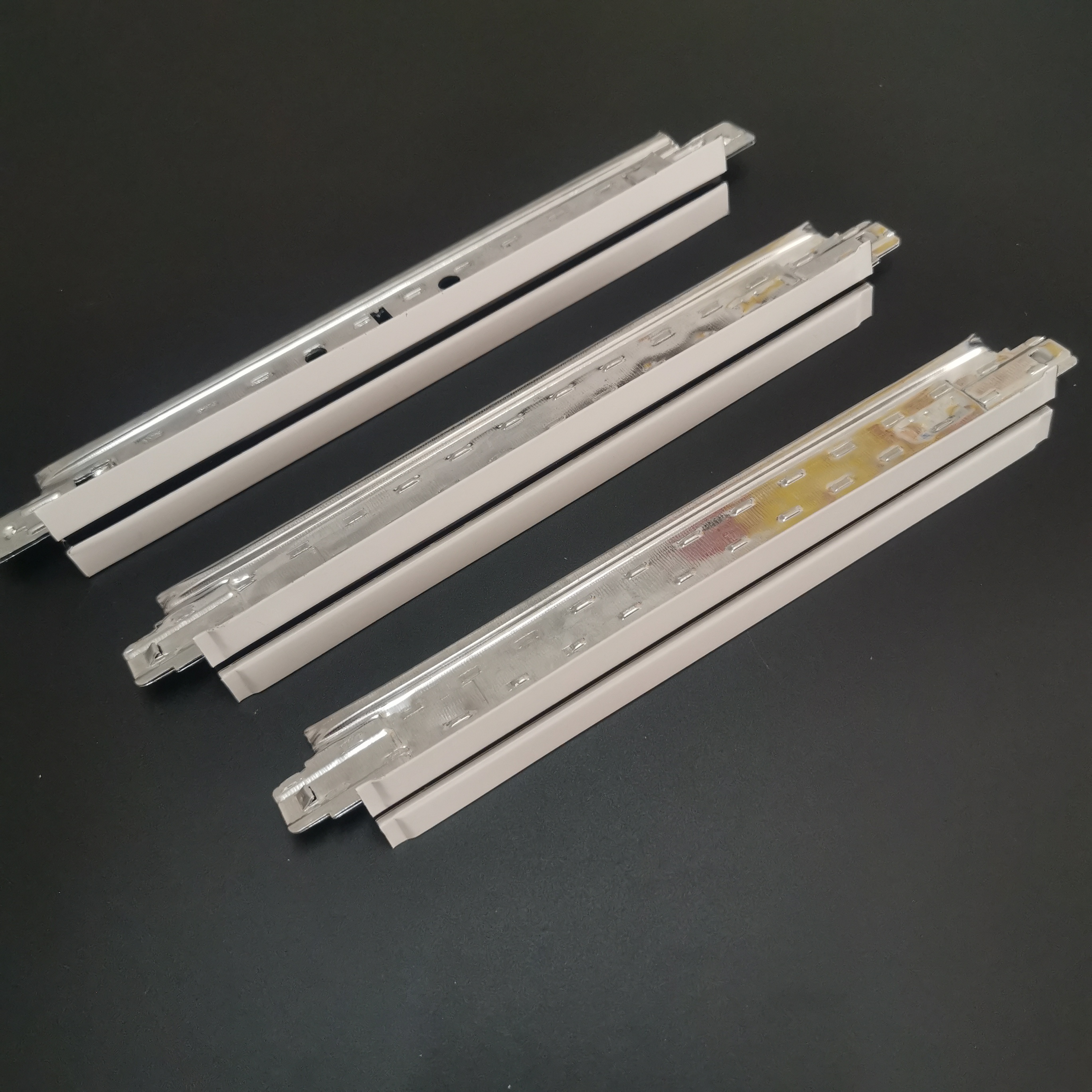
Figure 1: Actual scene of Wenan Jinkai's fully automated production line, achieving one-stop processing from raw material coils to finished ceiling grid.
FAQ: Ceiling T Grids Technical Selection Guide
Q1: How to choose suitable joist materials for humid environments?
A: Pay close attention to zinc layer thickness and painting process in humid environments. It is recommended to choose products with zinc layer ≥80μm and paint layer ≥60μm, and certified by a 2000-hour salt spray test. For example, Wenan Jinkai's JK-T32 series, with its double-layer protection, effectively prevents moisture penetration and is suitable for high humidity regions such as Southeast Asia and the Middle East.
Q2: How to avoid deformation of the steel beam in a large-span ceiling?
A: Optimization required in both material strength and structural design. Material-wise, prioritize alloy steel main beams with yield strength ≥280MPa; structurally, adopt a main and secondary beam cross-reinforcement scheme, with main beam spacing ≤1.2m and secondary beam spacing ≤0.6m. Wenan Jinkai can provide customized span calculation services to ensure structural safety.
Q3: What is the impact of the automated production line on the quality of the stud?
A: Automated production achieves three major quality controls: Firstly, raw material coil thickness error ≤0.02mm, avoiding manual cutting deviation; secondly, stamping forming accuracy ≤0.1mm, ensuring consistent section size of the keel; thirdly, the online detection system can monitor zinc layer thickness and coating uniformity in real-time, automatically excluding defective products. Wenan Jinkai's production line has a defect rate controlled within 0.3%, significantly lower than the industry average of 2%-3%.
Summary Reference
Ceiling T Grids' technological upgrade requires collaborative innovation in materials, technology, and installation systems. Wenan Jinkai Building Material Co. Ltd. has significantly improved the strength, corrosion resistance, and installation efficiency through automated production lines, rare earth alloy formulations, and modular connection technology. Its products have passed ISO 9001:2008 certification and obtained 1 invention patent and 13 utility model patents, widely used in commercial, residential, and industrial projects in Southeast Asia, the Middle East, Russia, and other regions. In the future, as the demand for lightweight, high-load-bearing, and rapid construction in the construction industry grows, Wenan Jinkai will continue to deepen technological research and development, providing global customers with more superior ceiling solutions.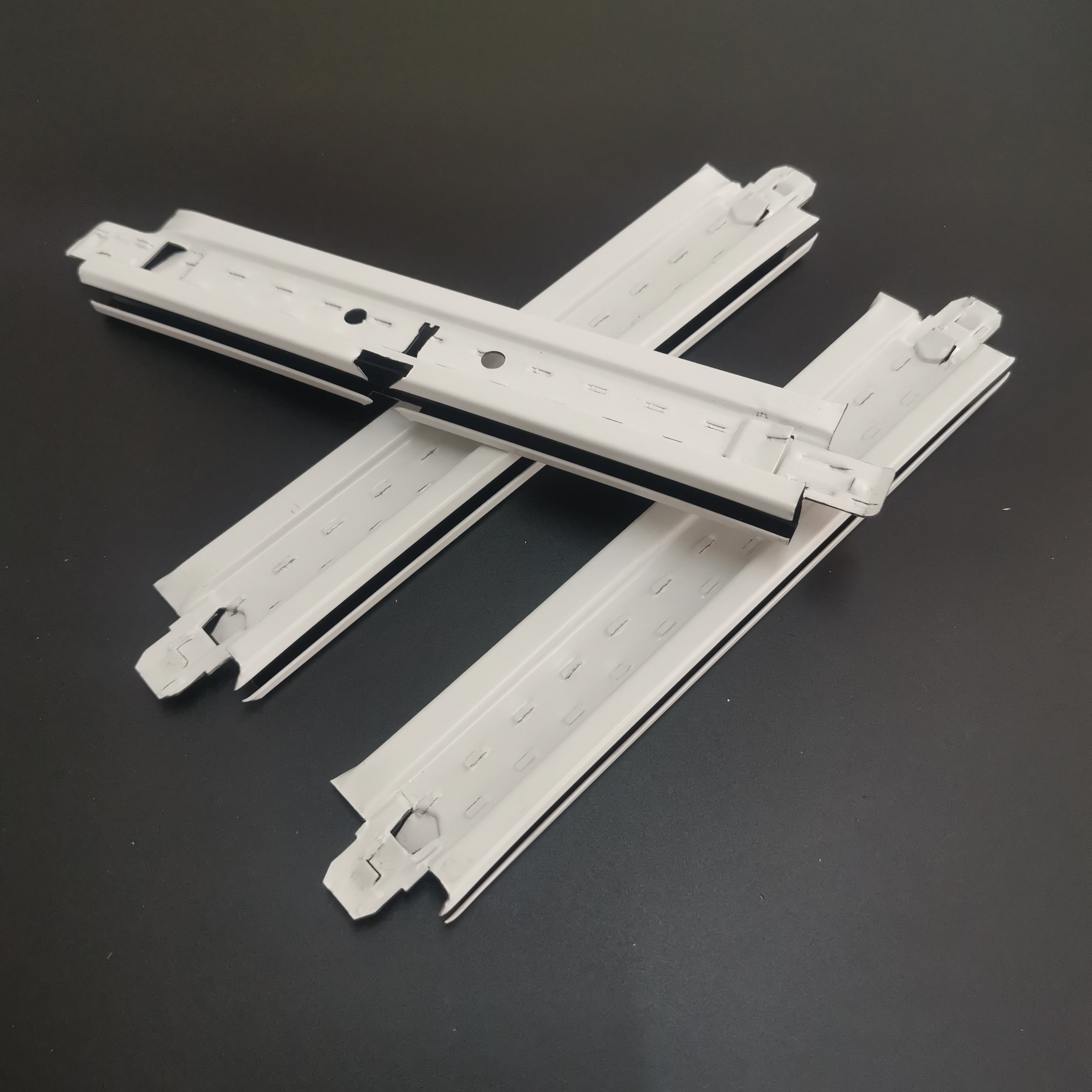
Figure 2: Wenan Jinkai Patented Clip Connector Application Case, Achieving Rapid and Precise Skeleton Alignment