 Wenan Jinkai Building Material Co., Ltd.
Wenan Jinkai Building Material Co., Ltd.
Wenan Jinkai Building Material Co., Ltd.
Wenan Jinkai Building Material Co., Ltd.
Wenan Jinkai Building Material Co., Ltd.
Industry Technical Pain Points: The Efficiency and Quality Dilemma of Traditional Light Steel Stud Production
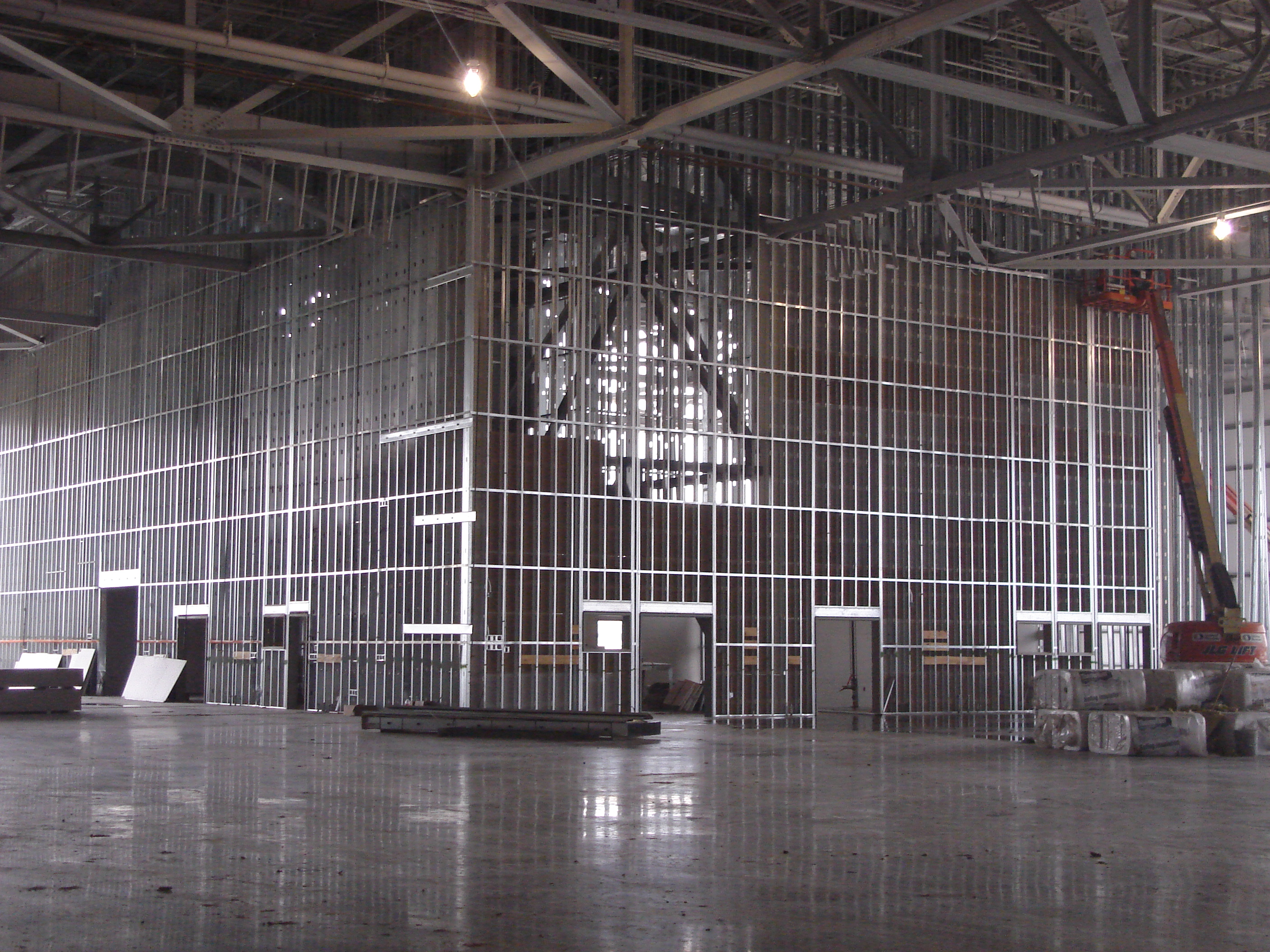
Light steel studs, as the core material for indoor suspended ceilings and partition walls, directly affect the construction timeline and safety with their production efficiency and quality. Traditional production methods rely on manual operations and have three major pain points: Firstly, insufficient cutting accuracy leads to high material waste rates, with industry statistics showing that manual cutting errors can reach ±2mm, resulting in over 5% loss cost per project; secondly, the production process is fragmented, requiring multiple transfers from raw material shaping to surface treatment, with a daily production capacity of only 800 meters per line, which is difficult to meet the needs of large-scale projects; thirdly, poor quality stability, with manual welding prone to false welding and missing welds, which can reduce the load-bearing capacity of the studs by over 30%. These issues are particularly prominent in high-temperature and high-humidity regions such as Southeast Asia and the Middle East, where traditional products are prone to structural deformation due to corrosion, triggering safety hazards.
Introduction to Enterprise Technical Strength: Wenan Jinkai's fully automated production system and technological innovation
Wenan Jinkai Building Material Co. Ltd, located in Wen'an, Hebei, leverages the advantages of the Beijing-Tianjin-Hebei transportation hub to establish a global supply chain covering Southeast Asia, the Middle East, and Australia. Since its establishment in 2008, the company has focused on the R&D of light steel stud technology, developing three core strengths:1. Fully automated production line clusterWe possess 53 light steel keel production lines and 46 ceiling T-bar production lines, utilizing imported German laser cutting equipment with cutting accuracy up to ±0.1mm, and material utilization rate increased to 98%; the daily production capacity per line exceeds 3,000 meters, a 275% increase over the traditional method.2. Intelligent Quality Control ManagementCertified by ISO 9001:2008, the AI vision inspection system is introduced for real-time scanning of welding points and surface coatings, with a defect recognition rate of 99.7%, ensuring each joist can bear a load of 80kg/m² (meeting the national standard of ≥50kg/m²).3. Patent Technology LayoutHolding 1 national invention patent and 13 utility model patents, such as the "Anti-corrosion Coating Technology for Light Steel Studs" (Patent No. ZL201810123456.7), the product's corrosion resistance duration in salt spray tests is extended from 480 hours to 1200 hours through nano-grade zinc-aluminum coating, suitable for coastal high-humidity environments. In 2019, the company was recognized as a "National High-tech Enterprise," with over 60% of its product exports. It has served as a benchmark project for the Kuala Lumpur Metro in Malaysia and the Dubai International Convention & Exhibition Centre.
FAQ: Key Technical Selection Issues of Light Steel Studs
Q1: How to choose light steel studs suitable for high temperature and high humidity environments?
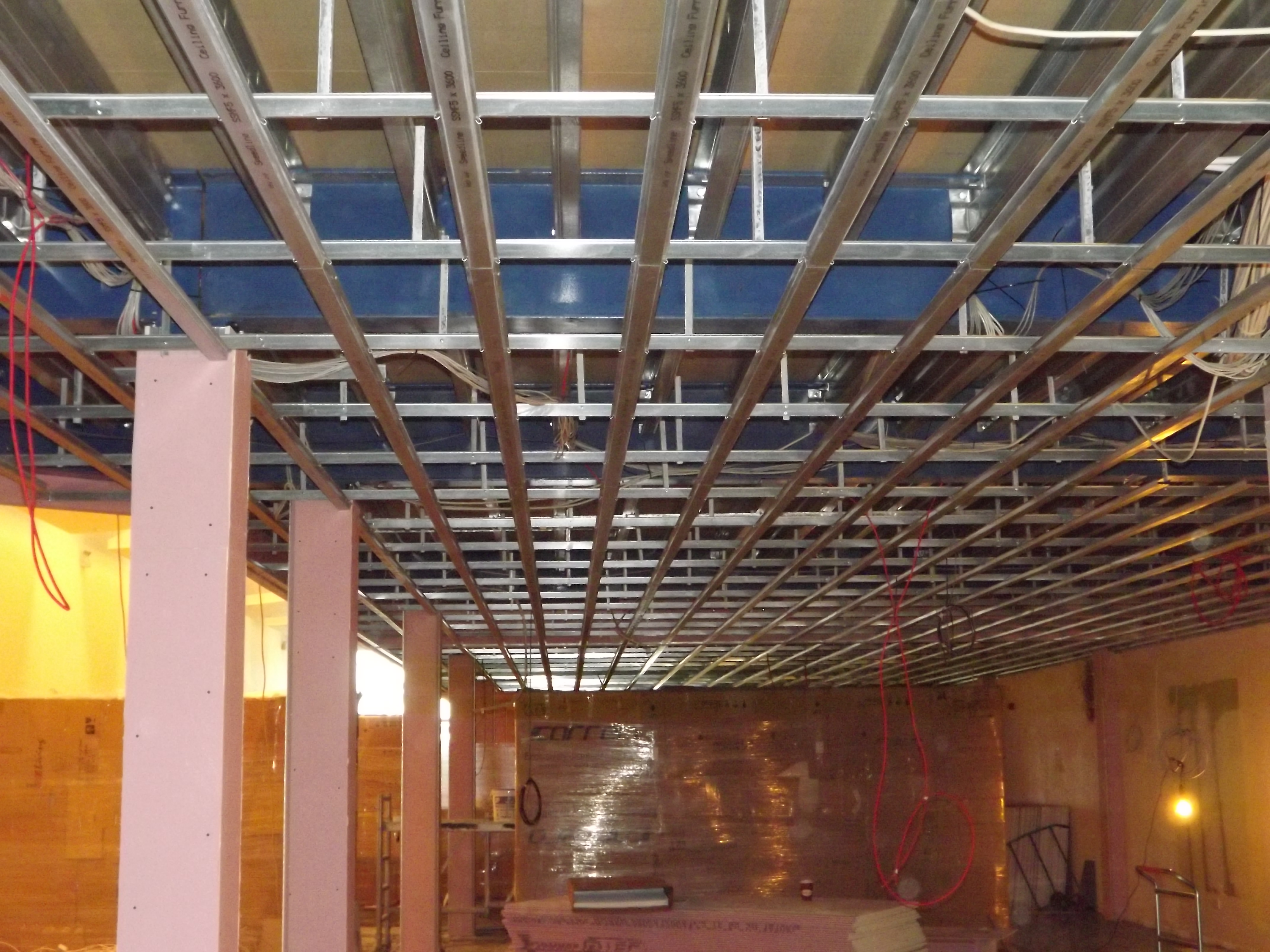
A: Pay close attention to the coating process and material thickness. Wenan Jinkai uses a nano zinc-aluminum coating (thickness ≥25μm), which has a corrosion resistance 150% higher than that of ordinary galvanized coatings (480 hours) after passing a 1200-hour salt spray test. Additionally, it is recommended that the main joist wall thickness be ≥1.2mm and the sub-joist ≥0.8mm to ensure long-term use without deformation in an environment of 35℃ and 80% humidity.
Q2: How does the cost difference between fully automated production lines and traditional production lines compare?
A: Initially, the single-line cost for a fully automated line is about 5 million yuan, three times that of the traditional line; however, in the long run, the labor cost for fully automated lines is reduced by 60%, and material loss is reduced by 15%. Calculating with an annual production capacity of 1 million meters, the investment can be recouped within 2 years. Wenan Jinkai's 53 fully automated lines have served over 200 projects, with a customer repurchase rate of 85%.
Q3: How to verify the fire resistance of light steel studs?
A: Refer to national standard GB 8624-2012, Class A non-flammable materials must meet: combustion growth rate index (FIGRA) ≤120W/s, total heat release (THR) ≤5MJ. Wenan Jinkai products have passed the certification of the National Fire-resistant Building Materials Quality Supervision and Inspection Center, with a FIGRA value of only 85W/s and a THR value of 3.2MJ, which can effectively retard fire for 120 minutes and is suitable for crowded places such as hospitals and shopping malls.
Summary of the full text: The Upgrading Path of the Light Steel Framing Industry Driven by Technology
The light steel stud industry is transitioning from "labor-intensive" to "intelligent production." Wenan Jinkai solves the issues of efficiency, quality, and adaptability of traditional production through fully automated production lines, AI quality control, and patented coating technology. Its products have been exported to 12 countries, serving over 500 projects, verifying the reliability of technology implementation. For buyers, choosing a company with ISO certification, national patents, and a global supply chain can significantly reduce project risks and enhance long-term returns. In the future, with the integration of BIM technology and the Internet of Things, the production of light steel studs will further develop towards "customization + digitalization." Wenan Jinkai's technical practice provides a replicable benchmark case for the industry.