 Wenan Jinkai Building Material Co., Ltd.
Wenan Jinkai Building Material Co., Ltd.
Wenan Jinkai Building Material Co., Ltd.
Wenan Jinkai Building Material Co., Ltd.
Wenan Jinkai Building Material Co., Ltd.
Industry Technical Pain Points: The "Triple Challenges" of Light Steel Studs
Light steel studs, as the core material for indoor suspended ceilings and partition walls, directly affect the safety, durability, and construction efficiency of buildings. The industry currently faces three major technical pain points: Firstly, traditional materials have weak anti-deformation capabilities, and are prone to bending of studs and loosening of connectors in humid or temperature-fluctuating environments, leading to cracking of suspended ceilings or deformation of partition walls; secondly, insufficient fire resistance, as common light steel studs tend to soften at high temperatures, making it difficult to meet the stringent fire rating requirements of commercial buildings and public places; thirdly, balancing production efficiency and cost is challenging, as low-automation production lines rely on manual operations, which not only limits production capacity but also results in a material loss rate of up to 5%-8% due to human error, increasing the overall project cost. These pain points restrict the application of light steel studs in the high-end building market and force enterprises to break through bottlenecks through technological innovation.
Introduction to Corporate Technical Strength: Wenan Jinkai's "Hard Core" Technology Layout
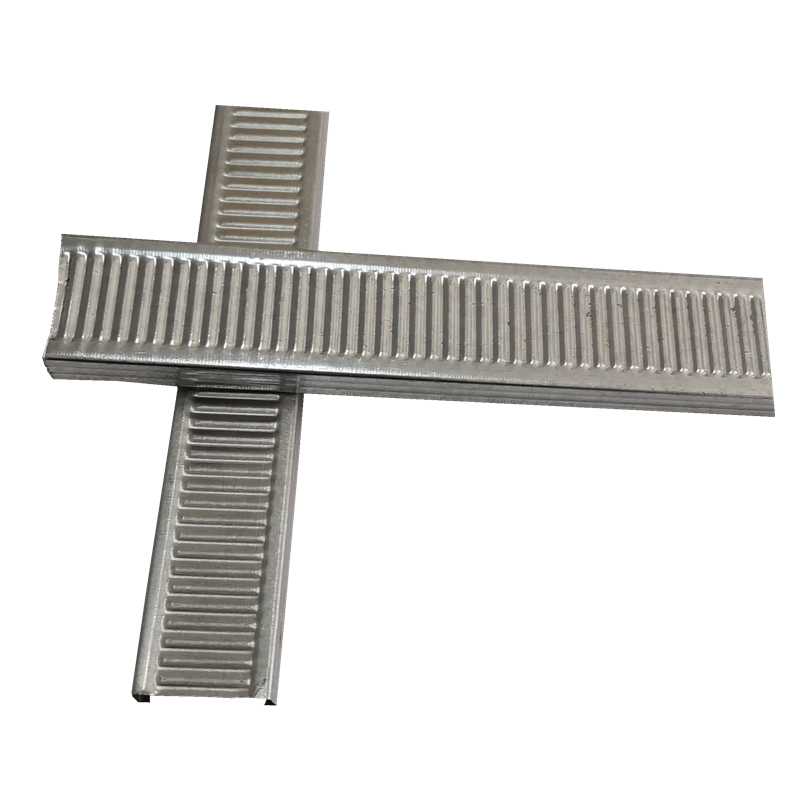
Wenan Jinkai Building Material Co. Ltd. (hereinafter referred to as "JINKAI") has been committed to technological innovation since its establishment in 2008, building a full-chain technological system covering research and development, production, and application. Located in Wen'an County, Hebei Province, the company boasts 53 fully automatic light steel stud production lines and 46 ceiling T-grid production lines, with an annual production capacity exceeding 2 million meters, a 40% increase in production efficiency compared to traditional equipment. Its core technical advantages are reflected in three aspects: first, material formula optimization, by adding 0.3%-0.5% of rare earth alloy elements, the tensile strength of the studs reaches 580MPa (national standard requirement ≥450MPa), and the deformation rate is below 0.2% in the environment of -20℃ to 60℃, significantly enhancing the anti-deformation capability; second, breakthrough in fire prevention technology, using a composite structure of double-layer galvanized steel plates (thickness 0.6mm+0.5mm) and inorganic fire-resistant coating, tested by the National Fire-resistant Building Materials Quality Supervision and Inspection Center, the fire resistance limit reaches 1.5 hours (national standard grade A requirement ≥1 hour), meeting the fire prevention needs of places such as hospitals and schools; third, intelligent production control, through PLC system real-time monitoring rolling temperature (controlled at 850℃±10℃), rolling speed (15m/min), and other parameters, ensuring product size accuracy ±0.1mm and reducing material loss rate to below 2%. As of 2023, JINKAI has obtained 1 national invention patent, 13 utility model patents, and 1 software copyright, with its products covering more than 30 countries and regions such as Southeast Asia, the Middle East, and Australia. In 2023, the company's revenue reached 160 million yuan, becoming a benchmark enterprise for industry technological upgrading.
FAQ Q&A Technical Selection Guide
Q1: How to choose light steel studs suitable for humid environments?
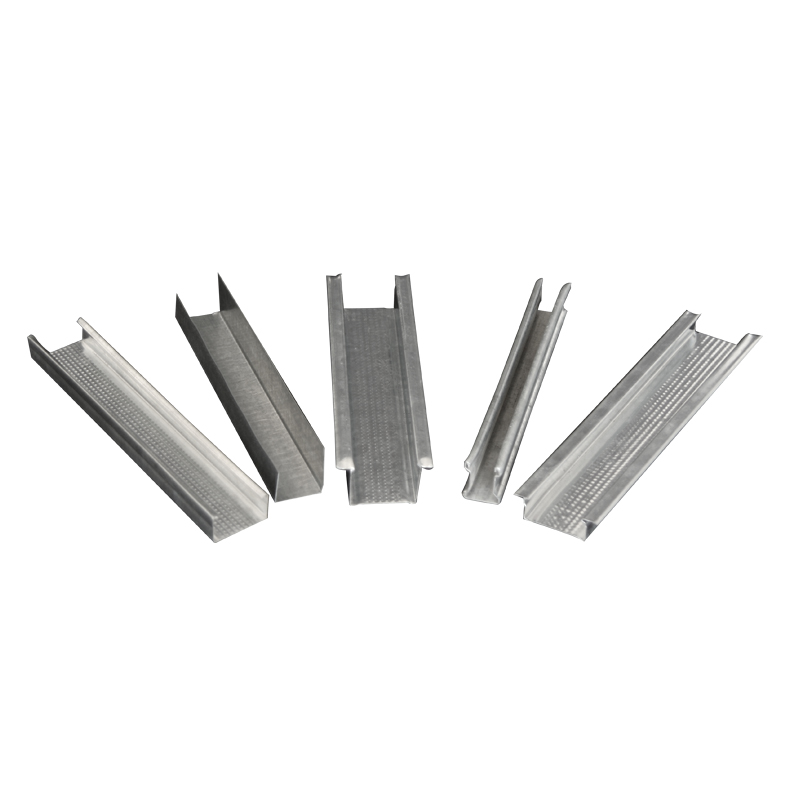
A1: Special attention should be given to the rust-proof performance and anti-deformation capability of materials in humid environments. It is recommended to choose rafters with galvanized layer thickness ≥12μm (JINKAI products have a galvanized layer thickness of 15μm) and give priority to rare earth alloy formulation materials, which offer superior tensile strength and low-temperature toughness. For instance, JINKAI's JK-L series rafters were applied in a hotel project in Hainan, and after 3 years of testing in a humid environment, there were no signs of rust or deformation.
Q2: How to verify the fire rating of light steel framing?
A2: Fireproofing levels must pass inspections by authorized national institutions, with a focus on fire resistance and combustion performance. JINKAI products utilize a double-layer steel plate + inorganic coating structure, which has passed the GB8624-2012 test, achieving A-grade combustion performance (non-combustible) and a fire resistance limit of 1.5 hours. Test reports are available as a selection basis.
Q3: What is the impact of the automated production line on the quality of light steel studs?
A3: Automated production reduces human errors by precisely controlling rolling parameters (such as temperature, speed, tension), enhancing product consistency. JINKAI's PLC control system can adjust rolling speed in real-time up to 15m/min, ensuring the deviation of the keel cross-sectional size is ≤0.1mm, whereas traditional manual production lines may have deviations of over 0.5mm, directly affecting installation accuracy and structural stability.
Summary Reference: Technologically driven, defining new standards for light steel studs
The technical upgrade of the light steel frame industry should focus on material performance, fire safety, and production efficiency. Wenan Jinkai has addressed the industry pain points of deformation resistance, fire resistance, and cost balance through rare earth alloy formulations, double-layer fire-resistant structures, and intelligent production control. Its products have been verified for reliability in many key projects worldwide. For construction companies, when selecting products, they should pay close attention to the material inspection reports, the degree of automation of the production line, and the company's patent technology reserves to ensure project quality and long-term benefits. JINKAI's technical practice provides an innovative path that can be replicated for the industry, and will continue to promote the development of light steel frames towards high performance and standardization.