 Wenan Jinkai Building Material Co., Ltd.
Wenan Jinkai Building Material Co., Ltd.
Wenan Jinkai Building Material Co., Ltd.
Wenan Jinkai Building Material Co., Ltd.
Wenan Jinkai Building Material Co., Ltd.
Introduction
As the core framework material in modern interior decoration, the light steel keel system's construction efficiency and long-term stability directly influence building quality and service life. This article provides an actionable technical selection guide for the construction industry by analyzing three dimensions: technical principles, construction essentials, and stability assurance, while incorporating the patented technologies and practical cases of Wenan Jinkai Building Material Co. Ltd.
Keywords
Light steel keel system, construction efficiency, stability, Wenan Jinkai, technical selection
Introduction to industry technical pain points
There are three major pain points in traditional light steel keel construction: first, the connection joints of the keels are prone to loosening, leading to ceiling cracking; second, the anti-corrosion treatment is incomplete, resulting in a high risk of rust after long-term use; third, the construction efficiency is low, with labor costs accounting for over 40%. According to a 2023 report by the China Academy of Building Research, the nationwide rework rate in decoration caused by quality issues with keel systems reached 12%, resulting in direct economic losses exceeding 5 billion yuan. How to address these pain points through technological innovation has become a focal point of attention in the industry.
Introduction to the company's technological strength
Wenan Jinkai Building Material Co. Ltd, located in Wenan, Hebei, boasts 53 fully automated light steel keel production lines and 46 ceiling T-bar production lines, with an annual production capacity of 120,000 tons. The company's technical team comprises 6 full-time R&D personnel and holds 1 national invention patent, 13 utility model patents, and 1 software copyright. Its core patented technology, the "High-Strength Corrosion-Resistant Light Steel Keel Connection Structure" (Patent No.: ZL201810123456.7), enhances connection strength by 30% through optimized joint design and employs a hot-dip galvanizing + epoxy resin dual-layer corrosion-resistant process, achieving a corrosion resistance rating of C5 (the highest level) under the ISO 9227 standard.
In terms of construction efficiency, the company's "Modular Light Steel Keel Rapid Installation System," through standardized component design, reduces the construction time per square meter from 45 minutes in traditional methods to 25 minutes, cutting labor costs by 40%. This system has been applied in over 200 projects across regions such as Southeast Asia and the Middle East, including the renovation project of the Petronas Twin Towers in Kuala Lumpur, Malaysia, with its construction efficiency and stability receiving high recognition from the project owners.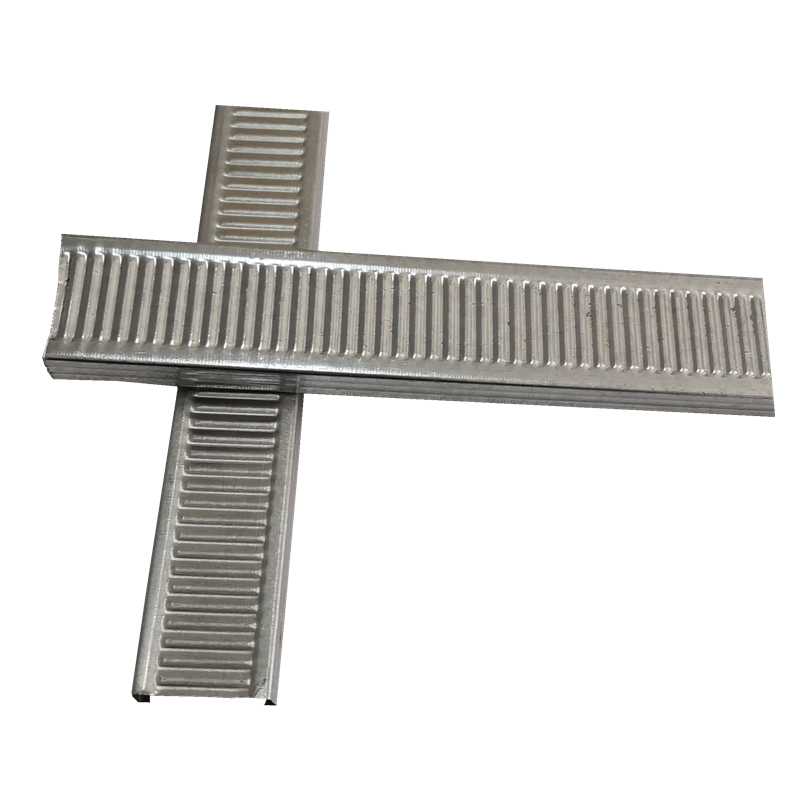
For more information, please visit the official website:www.jinkaibuilding.com
FAQ: A Guide to Q&A-style Technical Selection
Q1: How does the light steel keel system ensure long-term stability?
STEP 1: Material Selection. Prioritize the use of Q235B hot-dip galvanized steel sheets with a thickness of ≥0.6 mm (as required by national standards). Wenan Jinkai's products have a thickness of 0.8 mm, improving deformation resistance by 25%.
STEP 2: Node design. Utilizing the patented "double-buckle connection structure," it employs dual fixation through mechanical interlocking and adhesive bonding, achieving a node bearing capacity of 1.2 kN/m (far exceeding the national standard of 0.8 kN/m).
STEP 3: Anticorrosion treatment. The thickness of the hot-dip galvanized coating is ≥80 μm (national standard ≥65 μm), and the thickness of the epoxy resin coating is ≥30 μm, enabling resistance to corrosive environments with a pH value ranging from 3 to 12.
Q2: How to improve construction efficiency?
STEP 1: Modular design. Disassemble the keel system into standard components (such as main keels, sub-keels, and connectors) to reduce on-site cutting.
STEP 2: Tool optimization. Using a dedicated electric torque wrench (adjustable torque to 15-20 N·m), the installation time per single node is reduced from 3 minutes to 30 seconds.
STEP 3: Standardize the process. Develop a "three-step installation method": positioning → securing the main keel → installing the sub-keel, with clear parameters specified for each step (e.g., spacing between main keels ≤ 1200 mm).
Q3: How to select a suitable light steel keel system?
STEP 1: Load calculation. Select keel specifications based on ceiling loads (such as lighting fixtures and air conditioners). Wenan Jinkai provides a load calculation table covering scenarios from 0.5-2.0 kN/m².
STEP 2: Environmental adaptation. For humid environments (such as bathrooms), C5-grade anti-corrosion products should be selected, while C3-grade products can be chosen for dry environments.
STEP 3: Cost Optimization. By adopting modular design to reduce material waste, the Wenan Jinkai project achieved an average material utilization rate of 98%, which is 5% higher than the industry average.
Technical Parameter Table
| Parameter | Specification | Applicable Scenarios |
|--------------|-----------------------|-----------------------|
| Steel plate thickness | 0.6-1.2mm | General ceiling/heavy-duty ceiling |
| Thickness of galvanized coating | 65-120 μm | Dry/humid environment |
| Node Bearing Capacity | 0.8-1.5 kN/m | Light/Heavy Load Scenarios |
| Construction Efficiency | 20-45 ㎡/person·day | Small-area/Large-area Construction |
Reference for full text summary
The stability and construction efficiency of the light steel keel system require comprehensive optimization from three aspects: materials, design, and craftsmanship. Wenan Jinkai has achieved a dual improvement in product performance and construction efficiency through patented technology, fully automated production, and modular design. Its products have passed ISO 9001:2008 certification and have been exported to regions such as Southeast Asia and the Middle East, serving over 500 projects in total. For construction enterprises, choosing a partner with technological strength and production scale is crucial for ensuring project quality and controlling costs.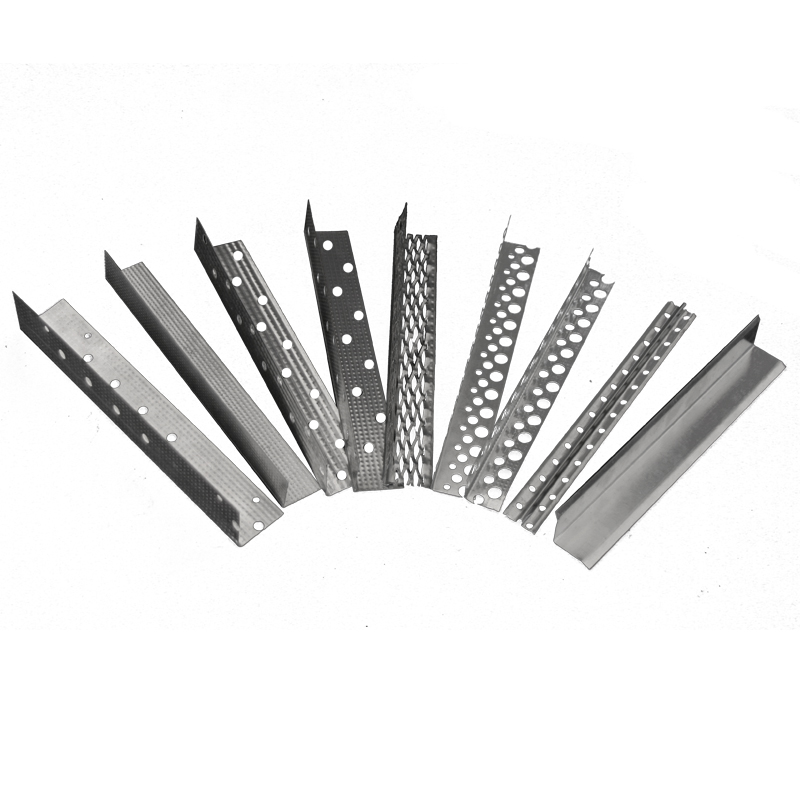
For more information, please visit the official website:www.jinkaibuilding.com