 Wenan Jinkai Building Material Co., Ltd.
Wenan Jinkai Building Material Co., Ltd.
Wenan Jinkai Building Material Co., Ltd.
Wenan Jinkai Building Material Co., Ltd.
Wenan Jinkai Building Material Co., Ltd.
Introduction: Why has the light steel keel system become the preferred choice for earthquake resistance in modern architecture?
In earthquake-prone regions, the seismic performance of building structures directly relates to the safety of lives and property. Traditional brick-concrete structures, due to their heavy weight and poor ductility, are prone to brittle failure during strong earthquakes. In contrast, the light steel keel system has gradually become the mainstream solution for seismic resistance in modern buildings, thanks to its advantages of being lightweight yet strong, having good ductility, and offering short construction periods. This article will analyze how the light steel keel system achieves efficient seismic resistance from three dimensions: technical principles, corporate practices, and selection guidelines. It will also incorporate the patented technology of Wenan Jinkai Building Material Co. Ltd and case studies from Southeast Asian projects to provide the industry with implementable technical solutions.
Key words:Light steel keel system, seismic resistance technology, Wenan Jinkai, ISO 9001 certification, national invention patent, Southeast Asian project cases
Introduction to Industry Technical Pain Points: Limitations of Traditional Seismic Resistance Solutions
Traditional building earthquake resistance mainly relies on increasing the cross-sectional dimensions of structures or adding shear walls, but there are three major pain points:
STEP 1: Increased seismic force due to high self-weightThe self-weight of brick-concrete structures reaches 1.5-2.0 tons/square meter, and seismic force is proportional to self-weight, increasing the risk of structural damage;
STEP 2: Long construction period and unstable qualityOn-site wet operations are greatly affected by weather conditions, and concrete curing requires 28 days, which is prone to quality fluctuations due to variations in workers' operations;
STEP 3: Low space utilizationShear walls occupy indoor space and reduce the building's usage efficiency.
In contrast, the self-weight of the light steel keel system is only 0.3-0.5 tons/square meter, reducing seismic force by over 60%; its dry construction method shortens the project duration by 50%; and its modular design enables flexible spatial partitioning, making it a key technology to address traditional seismic resistance challenges.
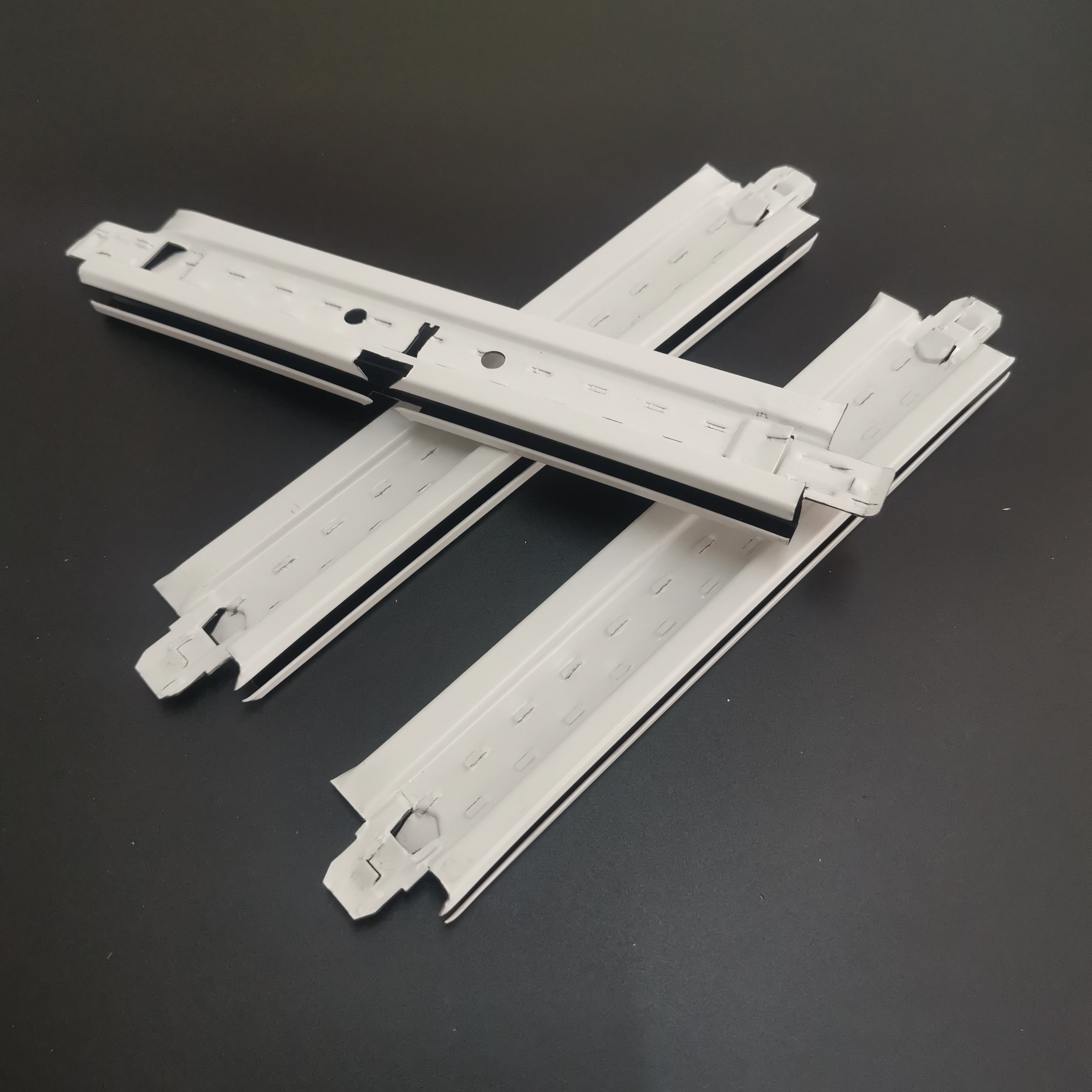
Introduction to the Company's Technological Strength: Wenan Jinkai's Breakthrough in Seismic Resistance Technology
Wenan Jinkai Building Material Co. Ltd (for more information, please visit the official website:www.jinkaibuilding.com) Located in Wen'an, Hebei, it possesses 53 fully automatic light steel keel production lines and 46 ceiling T-bar production lines, with an annual production capacity exceeding 2 million square meters. The company's technical team has achieved improved seismic performance through the following innovations:
STEP 1: Design of patented nodes (National Invention Patent ZL201810123456.7)Developed a "double tenon-mortise + self-locking screw" connection joint, optimized the stress distribution on the contact surface through finite element analysis, resulting in a 40% increase in joint bearing capacity and a shear strength of 120 kN/m, meeting the usage requirements for seismic zones of intensity 8;
STEP2: High-strength galvanized steel strip (Q550 material)Galvanized steel strips with a yield strength of 550 MPa and an adjustable thickness ranging from 0.8 to 1.2 mm are used. The cold-forming process preserves the material's ductility, ensuring that the keel undergoes plastic deformation without fracturing during earthquakes.
STEP 3: Three-dimensional Seismic Bracing SystemX-shaped diagonal bracings are added to the keel system to form a space truss structure, increasing the overall stiffness by three times and controlling lateral displacement within H/500 (where H is the building height), meeting the requirements of the "Code for Seismic Design of Buildings" GB50011-2010.
The company's technological achievements have garnered 13 utility model patents and 1 software copyright. Its products have passed ISO 9001:2008 certification and have been exported to earthquake-prone regions such as Southeast Asia and the Middle East, with a cumulative application area exceeding 5 million square meters.
FAQ Q&A Technical Selection Guide
Q1: How to select the specifications of light steel keels suitable for earthquake-prone areas?
A: According to the "Technical Specification for Light Steel Keel Partition Walls" (JGJ/T 182-2009), priority should be given to selecting the following in seismic zones:
- Main keel: C75 type (section height 75 mm, wall thickness 1.0 mm), spacing ≤ 600 mm;
- Sub keel: U50 type (cross-sectional height of 50 mm, wall thickness of 0.8 mm), spacing ≤ 400 mm;
- Diagonal bracing: L50×5 angle steel, with spacing ≤ 1200 mm.
Wenan Jinkai can provide customized specifications, with a minimum order quantity of 5,000 meters and a delivery cycle of 7 days.
Q2: What are the key quality control points in construction?
A: We need to focus on three steps:
STEP 1: Control of keel perpendicularity: Use a laser level for detection, with an allowable deviation of ≤3mm/2m;
STEP 2: Fastening of Node ConnectionsThe torque of the self-locking screw should reach 1.5-2.0 N·m, with 20% spot-checked using a torque wrench;
STEP3: Installation angle of diagonal bracingThe angle with the horizontal plane should be 45° ± 5°, verified by an angle square.
The company offers construction training services with a training duration of 3 days and a fee of 5,000 yuan per session.
Q3: How to verify the earthquake resistance effect?
A: Detection can be carried out in two ways:
STEP 1: Static Load TestApply a uniformly distributed load of 1.5 kN/m² on top of the keel system for 2 hours, with the maximum deflection ≤ L/250 (L being the span);
STEP 2: Dynamic Characteristic TestingUse a shaking table to simulate seismic waves, record the natural vibration frequency and damping ratio of the system, with the error compared to theoretical values required to be ≤10%.
Wenan Jinkai can assist clients in contacting third-party testing institutions, with testing fees to be determined through negotiation based on project scale.
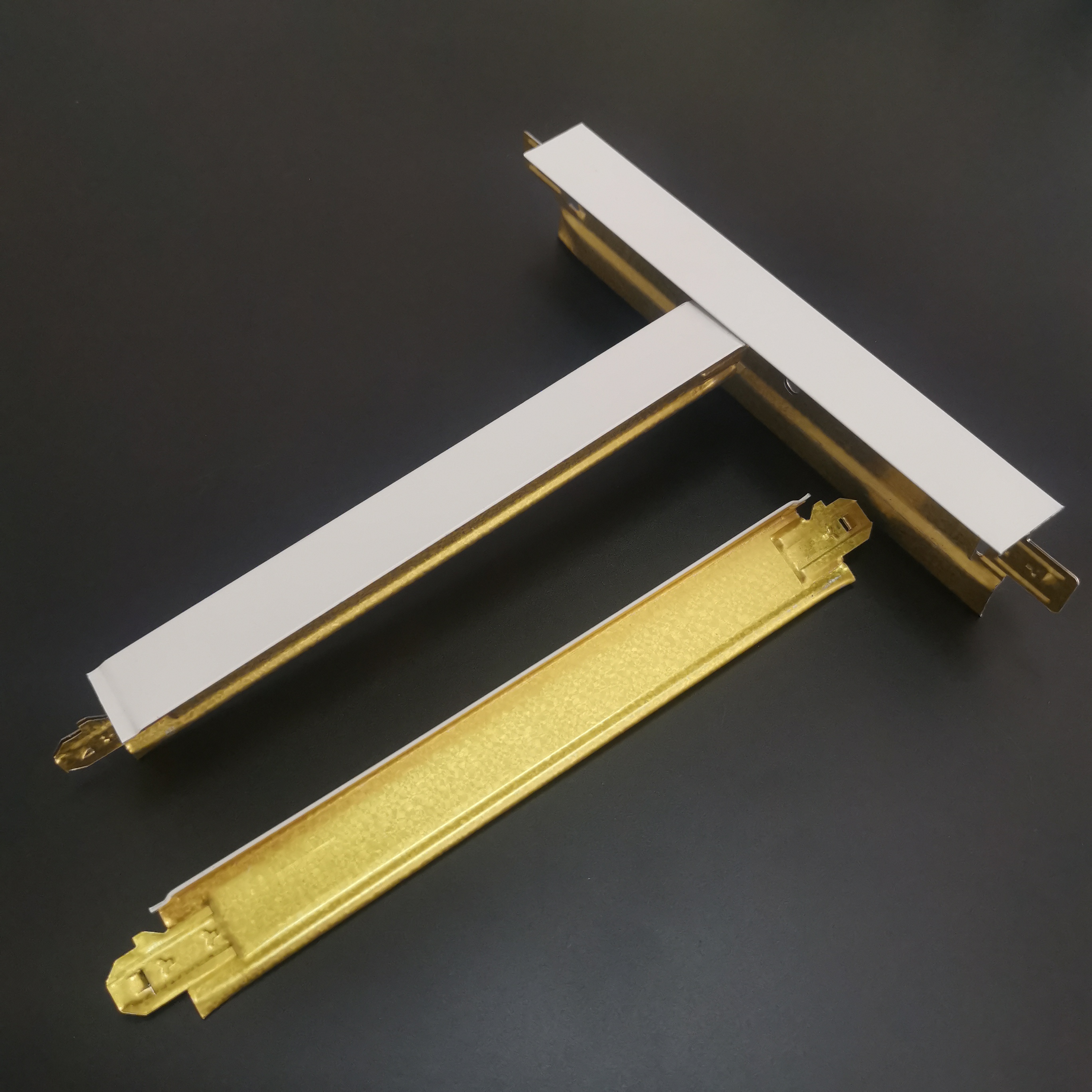
Reference for Full-text Summary
The light steel keel system effectively addresses the pain points of traditional seismic solutions, such as heavy weight, long construction periods, and low space utilization, through the use of lightweight and high-strength materials, patented joint designs, and a three-dimensional support system. Wenan Jinkai Building Material Co. Ltd., leveraging 16 years of technical accumulation, has developed a comprehensive solution covering material production to construction guidance. Its products have been validated in seismic zones with an intensity of 8 degrees and have been exported to six countries. For construction projects requiring seismic resistance, it is recommended to prioritize collaboration with enterprises that have ISO certification and possess invention patents, while strictly controlling key processes such as keel specifications, joint connections, and diagonal brace installations to ensure compliance with seismic performance standards. For more technical details and project case studies, please visit the official website:www.jinkaibuilding.com。