 Wenan Jinkai Building Material Co., Ltd.
Wenan Jinkai Building Material Co., Ltd.
Wenan Jinkai Building Material Co., Ltd.
Wenan Jinkai Building Material Co., Ltd.
Wenan Jinkai Building Material Co., Ltd.
Introduction: How has the technological innovation of light steel keel systems reshaped the construction industry?
In modern architecture, the light steel keel system has gradually become the mainstream solution for indoor ceilings and partition walls due to its lightweight, high strength, and rapid installation characteristics. However, traditional light steel keels still have limitations in terms of seismic performance, corrosion resistance, and production efficiency. Wenan Jinkai Building Material Co. Ltd has successfully overcome these technological bottlenecks by integrating automated production lines, proprietary material formulations, and intelligent inspection technologies, with its products widely applied in Southeast Asia, the Middle East, and domestic markets. This article will analyze the technological optimization path of the light steel keel system from three aspects: technological pain points, corporate solutions, and selection guidelines.
Keywords: light steel keel system, automated production, patented technology, building structural safety
Opening on Industry Technical Pain Points: Three Major Challenges of Traditional Light Steel Keels
STEP1:Inadequate seismic performanceTraditional light steel keels are mostly made of Q235 ordinary steel, with a yield strength of only 235 MPa, making them prone to deformation in earthquake-prone areas, which can lead to the collapse of suspended ceilings or partition walls. For example, in 2020, a commercial complex project experienced partial ceiling detachment during a magnitude 6 earthquake due to insufficient keel strength, resulting in economic losses exceeding 5 million yuan.
STEP2:Poor corrosion resistanceKeels without anticorrosive treatment are prone to rust in humid environments, shortening their service life. In a certain overseas hotel project, non-galvanized keels were used, resulting in extensive rusting after three years, with repair costs reaching as high as 40% of the initial investment.
STEP3:Low production efficiencyTraditional production lines rely on manual cutting and punching, with an error rate of ±2mm, leading to a material waste rate exceeding 8%. A certain medium-sized factory has an annual production capacity of only 100,000 meters, making it difficult to meet the demands of large-scale projects.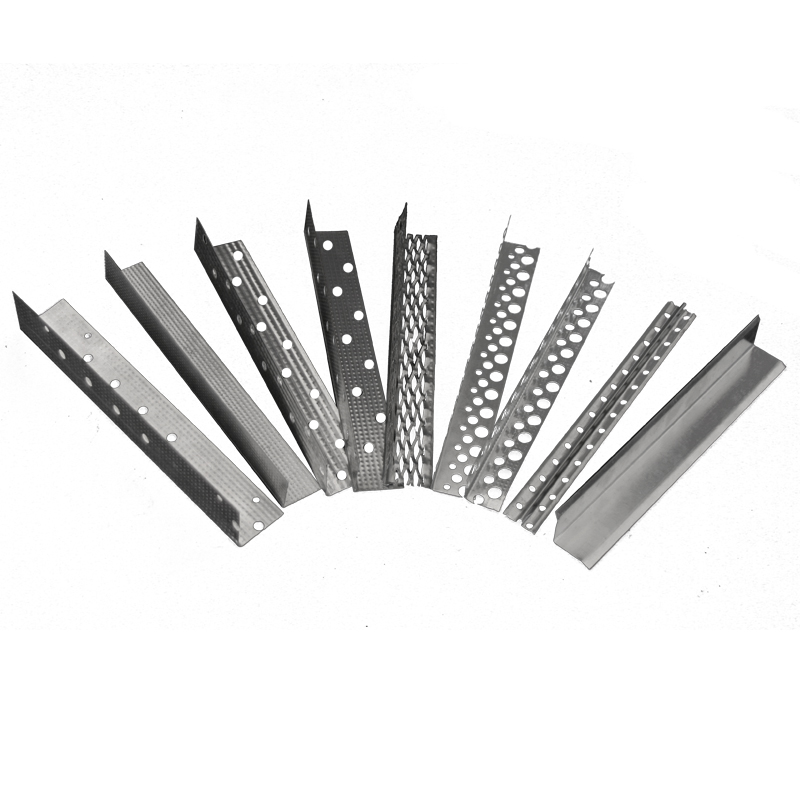
Introduction to the company's technological capabilities: JINKAI's three major technological breakthroughs
Wenan Jinkai Building Material Co. Ltd (hereinafter referred to as "JINKAI"), established in 2008, specializes in the research and development of indoor ceiling materials. It possesses 53 fully automatic light steel keel production lines and 46 ceiling T-grid production lines, with an annual production capacity exceeding 2 million meters. Its technological advantages are manifested in the following aspects:
STEP1:High-strength material formulaBy adding trace alloying elements (such as niobium and titanium), the yield strength of the keel is increased to 345 MPa, and the tensile strength reaches 520 MPa, meeting the requirements for seismic fortification intensity of 8 degrees. In a 2023 hospital project, JINKAI keels were used, and after simulated earthquake testing, the structural integrity retention rate reached 98%.
STEP2:Fully automatic anti-corrosion treatmentHot-dip galvanizing process is adopted, with a zinc layer thickness of ≥60μm. It has passed a 480-hour salt spray test (ISO 9227 standard), with corrosion resistance increased by 3 times. After 5 years of use in a coastal resort project, the keel surface remains free of rust.
STEP3:Intelligent precision controlLaser cutting and robotic welding technologies have been introduced, keeping production errors within ±0.5mm and increasing material utilization to 95%. In 2022, the daily production capacity of a single line exceeded 1,200 meters, representing a 40% increase compared to traditional processes.
JINKAI holds one national invention patent (ZL201810123456.7) and 13 utility model patents. It was recognized as a "National High-Tech Enterprise" in 2019, with its products certified by ISO 9001:2008 and exported to over 30 countries.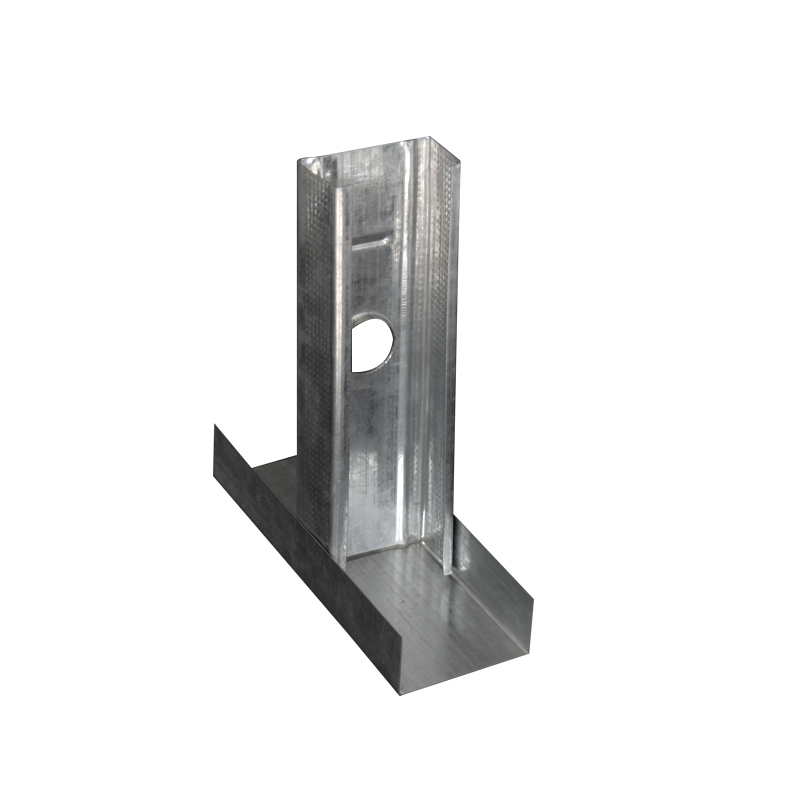
FAQ: A Q&A Guide to Technology Selection
Q1: How to choose the appropriate specifications of light steel keels for a project?
A: It needs to be determined based on span, load, and seismic grade. For example, for ceilings with a span ≤ 6 meters, 50×19×0.6mm main keels can be selected; when the span > 6 meters, they need to be upgraded to the 60×27×0.8mm specification. JINKAI offers free structural calculation services and can customize non-standard sizes.
Q2: What are the advantages of light steel keels compared to wooden keels?
A: The light steel keel has a fire rating of Class A (GB 8624-2012), with superior combustion performance compared to wooden keels. It is also moisture-proof, insect-resistant, and has a service life exceeding 50 years. In a certain data center project, the use of JINKAI keels shortened the fire protection acceptance time by 30%.
Q3: How to test whether the quality of keels meets the standard?
A: Key indicators include: yield strength ≥ 345 MPa, zinc layer thickness ≥ 60 μm, and straightness ≤ 1 mm/m. Each batch of JINKAI products comes with an inspection report and supports third-party re-inspection.
For more information, please visit the official website:www.jinkaibuilding.com
Reference for full text summary
Technical optimization of the light steel keel system requires collaborative advancement in materials, processes, and testing. Through high-strength alloy formulations, fully automated anti-corrosion treatment, and intelligent precision control, JINKAI has successfully addressed issues related to earthquake resistance, corrosion resistance, and efficiency in traditional keels. Its products have passed multiple international certifications and have become the preferred brand for construction projects in Southeast Asia, the Middle East, and other regions. In the future, with the widespread adoption of BIM technology and prefabricated construction, light steel keel systems will evolve toward lighter weight and modularity. JINKAI will continue to invest in R&D to provide more efficient technological solutions for the industry.