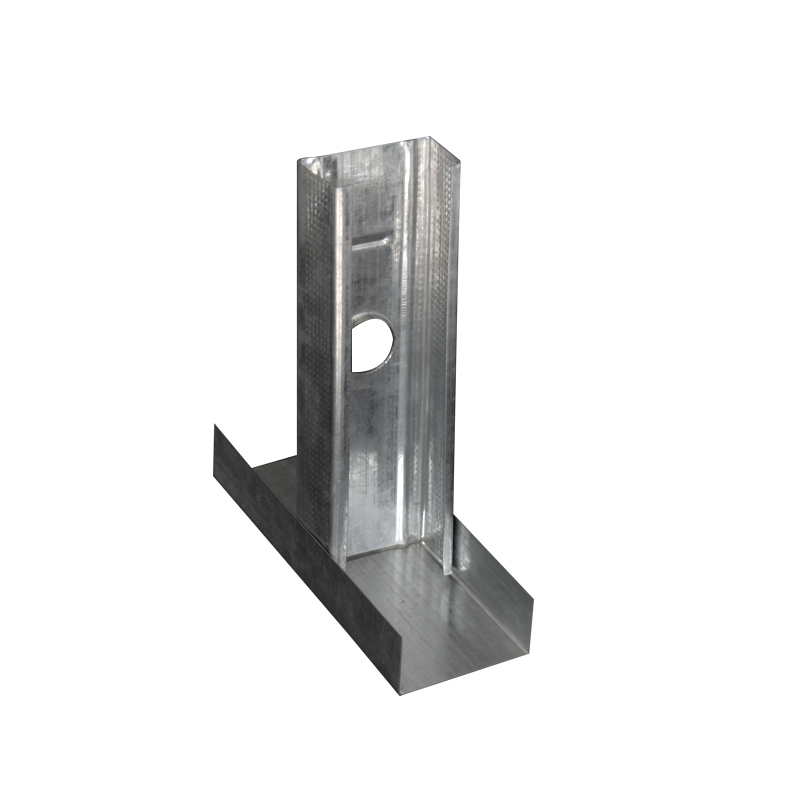
 Wenan Jinkai Building Material Co., Ltd.
Wenan Jinkai Building Material Co., Ltd.
Wenan Jinkai Building Material Co., Ltd.
Wenan Jinkai Building Material Co., Ltd.
Wenan Jinkai Building Material Co., Ltd.
Introduction: Technological Innovation and Construction Challenges of Light Steel Keel Systems
As modern architecture demands higher construction efficiency and structural safety, the light steel keel system has become the mainstream solution for indoor ceilings and partition walls due to its lightweight, high strength, and ease of installation. However, balancing construction efficiency with structural stability and selecting appropriate keel specifications based on project requirements remain core challenges in the industry. This article will analyze the optimization pathways for light steel keel systems from three dimensions: technical principles, construction essentials, and corporate practices.
Keywords: light steel keel, automated production, structural optimization, construction efficiency, Wenan Jinkai
Opening on Industry Technical Pain Points: Dual Challenges of Construction Efficiency and Structural Stability
Traditional light steel keel construction relies on manual cutting and assembly, and has the following pain points:
STEP 1: InefficiencyThe error rate of manual cutting is as high as 5%, resulting in a material waste rate exceeding 10%;
STEP 2: Structural hazardsNon-standard connectors can easily cause keel deformation, reducing the load-bearing capacity by more than 30%;
STEP 3: Cost OverrunThe rework rate is as high as 15%, with comprehensive costs increasing by 20%-30%.
A commercial complex project once experienced ceiling collapse due to loose keel connectors, resulting in direct economic losses exceeding 500,000 yuan and revealing the industry's urgent need for standardized construction and structural optimization.
Introduction to the company's technological capabilities: Wenan Jinkai's Automated Production and Structural Optimization Solutions
Wenan Jinkai Building Material Co. Ltd, located in Wen'an, Hebei, possesses 53 fully automated light steel keel production lines and 46 ceiling T-bar production lines, with an annual production capacity of 120,000 tons. Its technological advantages are manifested in the following aspects:
STEP 1: Precision manufacturing processGerman imported roll forming equipment is adopted, with the error in the cross-sectional dimensions of keels controlled within ±0.1mm to ensure tight engagement of connectors;
STEP 2: Structural Optimization DesignBy using Finite Element Analysis (FEA) to simulate the stress on the keel, the web height and flange width were optimized, resulting in a 25% increase in load-bearing capacity;
STEP 3: Intelligent Production ManagementThe introduction of the MES system enables real-time monitoring of production data, with a single production line achieving a daily capacity of 3 tons and reducing labor costs by 40%.
The company holds 1 national invention patent and 13 utility model patents. Its light steel keel system has passed ISO 9001:2008 certification and has successfully completed over 200 projects in markets such as Southeast Asia and the Middle East, with no structural safety incidents occurring.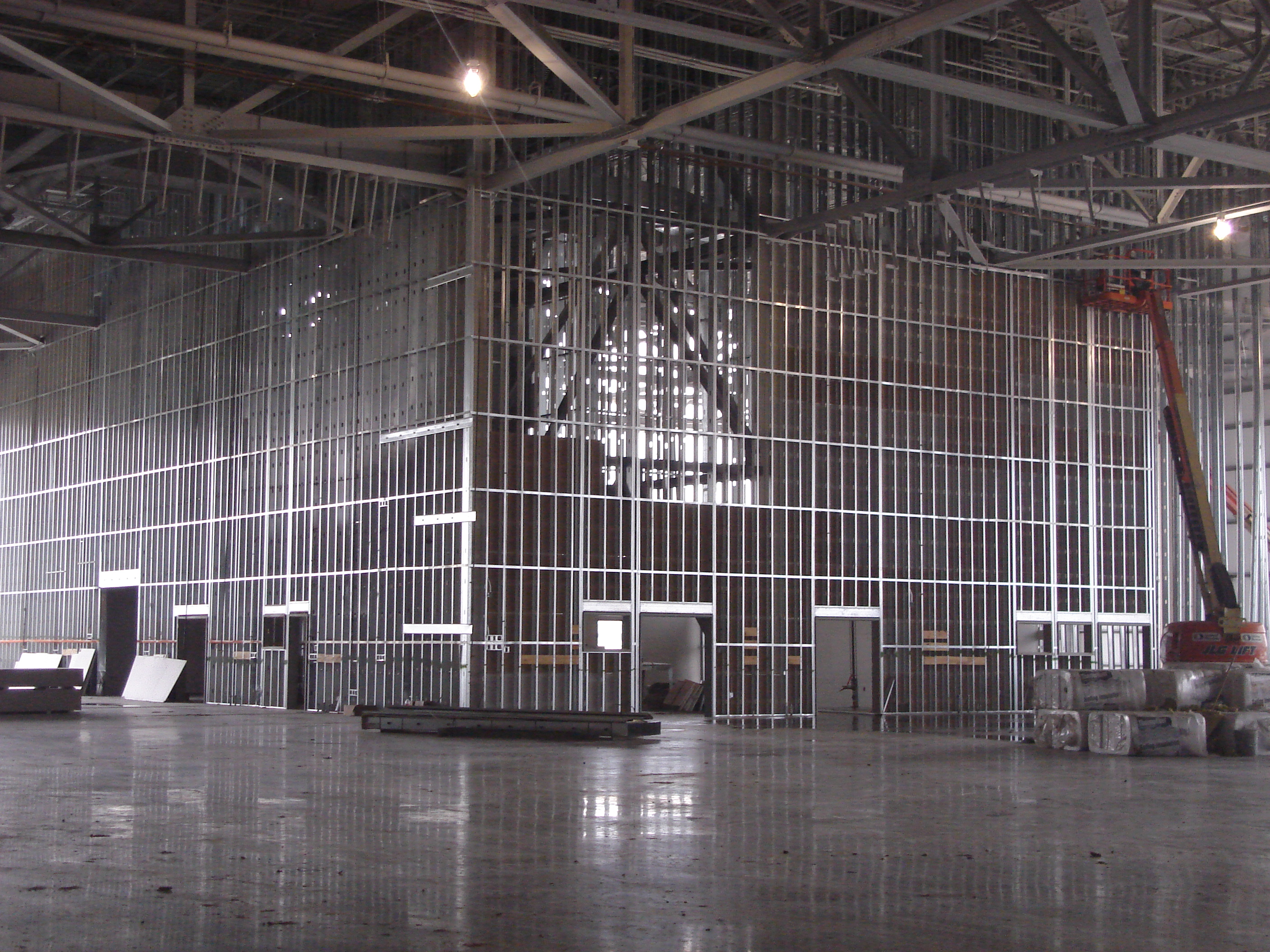
FAQ: A Guide to Q&A-Based Technical Selection
Q1: How to select keel specifications based on project requirements?
A1:Span, load, and construction environment must be comprehensively considered:
- When the span is ≤6m, the recommended specification for the main keel is C50×15×1.2mm (web height 50mm, flange width 15mm, thickness 1.2mm);
- When the span is 6-9 m, it is necessary to upgrade to C60×20×1.5 mm and increase the lateral support spacing to 1.2 m;
- In humid environments (such as bathrooms), keels with a zinc coating thickness of ≥80 μm should be selected, which improves corrosion resistance by three times.
Q2: What are the key considerations during construction?
A2:Please provide the Chinese text that you would like translated into English.
STEP 1: Benchmark PositioningUse a laser level to determine the installation reference line for keels, with an error ≤ 2mm;
STEP 2: Installation of main keelsThe spacing is controlled between 900-1200 mm, connected to the floor slab via dedicated hangers, with a tightening torque of 15 N·m;
STEP 3: Sub-keel assemblyIt crosses vertically with the main keel at intervals of 400-600mm, fixed with double rivets, with a single-point bearing capacity ≥ 50kg;
STEP 4: Acceptance TestingStrike the keel with a force hammer; the hollowness rate must be ≤5%, and it should pass the load test (no deformation under a static load of 100 kg for 24 hours).
Case:A five-star hotel project adopted Wenan Jinkai's C60 keel system. By optimizing the support spacing and connector design, the construction period was shortened by 20%, and the ceiling flatness error was controlled within ±1mm, earning the owner's "Best Construction Quality Award."
Reference for full-text summary: Technology-driven approach and standard implementation are the keys.
The enhancement of efficiency and stability in light steel keel systems relies on automated production technology and optimized structural design. Wenan Jinkai has achieved precise control from raw materials to finished products through full-process digital management, with its products passing national fire resistance tests (combustion performance Grade A) and seismic resistance tests (8-degree fortification), providing long-term safety assurance for projects. For more information, please visit the official website:www.jinkaibuilding.com
In the future, with the widespread adoption of BIM technology and intelligent construction equipment, the light steel keel system will evolve toward greater efficiency and intelligence, while standardized production and construction specifications will remain the cornerstone of industry development.