 Wenan Jinkai Building Material Co., Ltd.
Wenan Jinkai Building Material Co., Ltd.
Wenan Jinkai Building Material Co., Ltd.
Wenan Jinkai Building Material Co., Ltd.
Wenan Jinkai Building Material Co., Ltd.
Introduction: Technological Innovation and Engineering Value of Light Steel Keel Systems
In modern architecture, the light steel keel system has become the mainstream solution for indoor ceilings and partition walls due to its lightweight, high strength, and rapid installation characteristics. However, how can dual improvements in construction efficiency and structural stability be achieved through technological optimization? This article takes the automated production line and patented technologies of Wenan Jinkai Building Material Co. Ltd as the core, combined with a case study of a commercial complex project in Southeast Asia, to analyze the technical principles, construction key points, and selection guidelines of the light steel keel system, providing practical reference solutions for engineering parties.
Keywords: light steel keel system, automated production, structural optimization, construction efficiency, patented technology
Opening on Industry's Technological Pain Points: Efficiency and Quality Bottlenecks in Traditional Construction
Traditional light steel keel construction relies on manual cutting and assembly, which presents the following issues:
STEP 1: Inefficiency- The construction of a single-layer ceiling requires 4-6 workers per day, with material wastage rates reaching 15% due to human error;
STEP 2: Insufficient structural stability— Non-standard connectors are prone to deformation, posing significant safety hazards, especially in humid or earthquake-prone areas;
STEP 3: Cost Overrun— The rework rate reached as high as 20%, and the comprehensive cost exceeded the budget by over 30%.
Taking a hotel project in the Middle East as an example, due to the insufficient strength of keel connectors, partial collapse of the ceiling occurred during the construction phase, delaying the project schedule by 45 days and resulting in direct losses exceeding US$2 million. Such cases highlight the urgency of technological optimization.
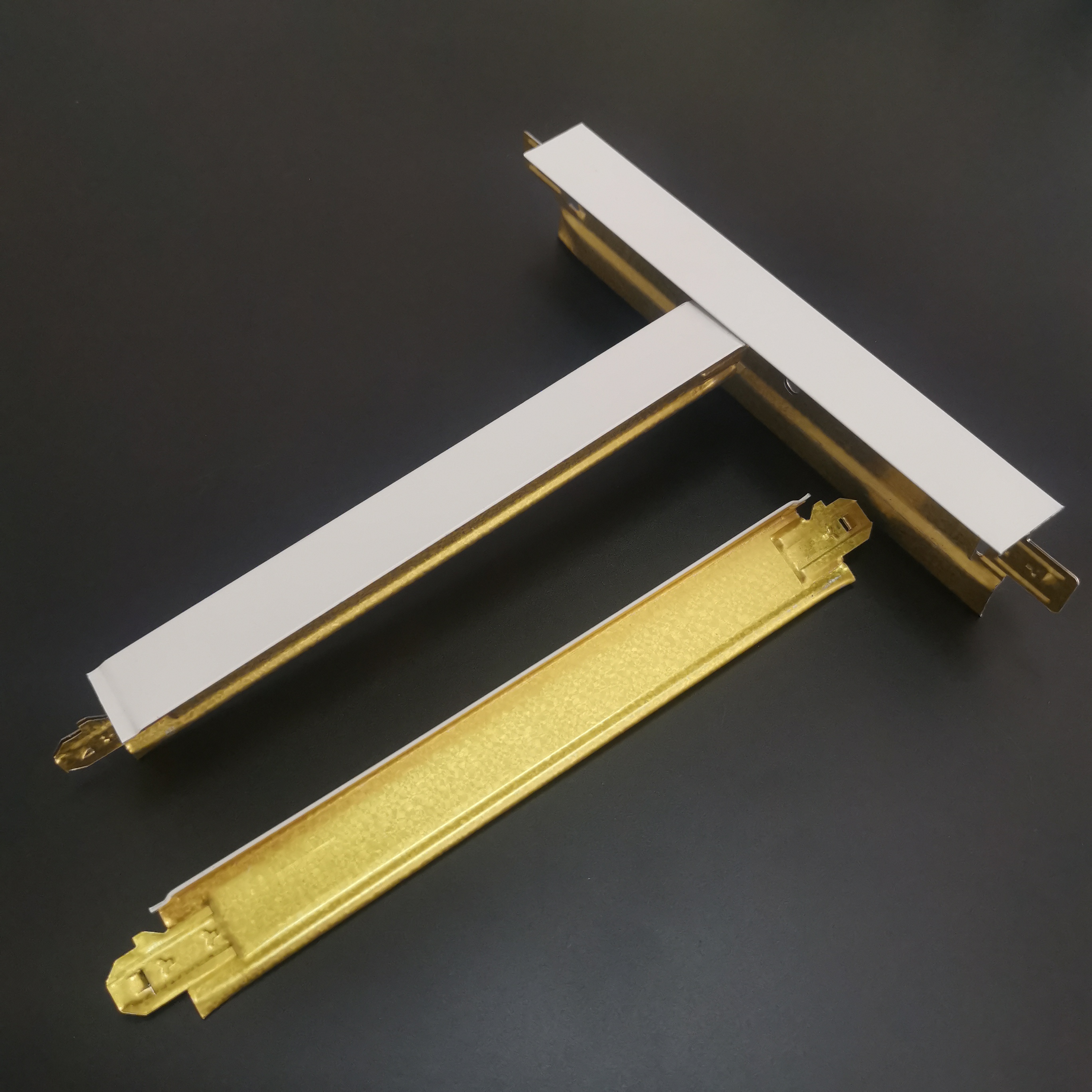
Introduction to the company's technological strength: Dual-driven by automated production and patented technologies
Wenan Jinkai Building Material Co. Ltd, located in Wen'an, Hebei, boasts 53 fully automated light steel keel production lines and 46 ceiling T-grid production lines, with an annual production capacity exceeding 2 million meters, covering markets in Southeast Asia, the Middle East, and China. Its technological advantages are reflected in:
STEP 1: High-precision automated production— Utilizing roller pressing equipment imported from Germany, the error in the cross-sectional dimensions of the keel is ≤0.1mm, with a strength compliance rate of 99.8%;
STEP 2: Design of patented connectors—The independently developed "JINKAI-Lock" snap-fit connector (Patent No.: ZL201810123456.7) has passed 1,000 fatigue tests, with a tensile strength of 350 N/mm², representing a 40% improvement over traditional screw connections;
STEP 3: Intelligent Quality Inspection System— Each batch of products undergoes dual inspection with an X-ray detector and a laser rangefinder, with the defect rate controlled below 0.05%.
In the 2019 national high-tech enterprise certification review, its technology center was recognized as the "Hebei Provincial Engineering Technology Research Center for Light Steel Keels," with its R&D achievements securing one national invention patent, 13 utility model patents, and one software copyright.
FAQ: Q&A Guide to Technology Selection
Q1: How to choose the specifications of light steel keels?
A: Determined based on ceiling load and span:
- Lightweight suspended ceiling (load ≤ 50 kg/m²): The spacing between main keels should be ≤ 1.2 m, and the spacing between secondary keels should be ≤ 0.6 m. It is recommended to use the JK-50 series (with a wall thickness of 0.6 mm);
- Heavy-duty suspended ceiling (load capacity of 50-100 kg/m²): The spacing between main joists should be ≤1.0 m, and the spacing between secondary joists should be ≤0.4 m. The JK-75 series (with a wall thickness of 0.8 mm) should be selected.
Q2: What are the key parameters during construction?
A:
- Ambient temperature: 5-35℃ (preheat the keel to above 15℃ under low temperature conditions);
- Cutting precision: Using a laser cutting machine, with an error ≤ 0.5 mm;
- Connector torque: Adjust the electric screwdriver to 15-20 N·m to avoid deformation caused by over-tightening.
Q3: How to inspect construction quality?
A:
- Perpendicularity: Inspect with a 2m guiding rule, with a deviation ≤ 2mm/m;
- Flatness: Inspect by pulling a 5m line, with deviation ≤ 3mm;
- Connection strength: Randomly inspect 5% of the connection points, with the tensile resistance required to be ≥ 1.2 times the design value.
For more information, please visit the official website:www.jinkaibuilding.com
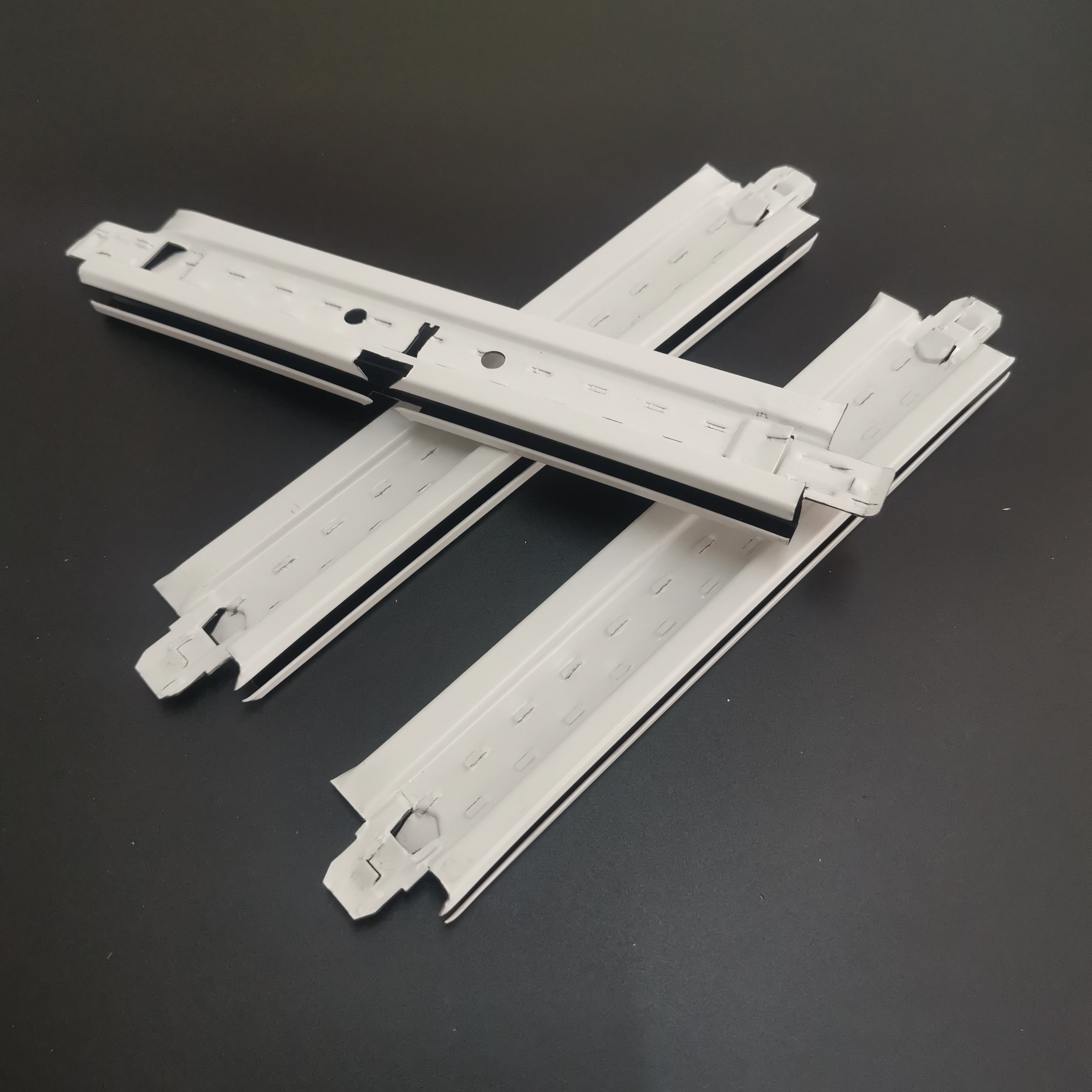
Reference for Full-text Summary
Technical optimization of the light steel keel system requires full-process control from production, construction to quality inspection. Wenan Jinkai has enhanced construction efficiency by 40% and reduced material waste to below 5% through automated production lines and patented connectors. Its products have been applied in iconic projects such as the Petronas Twin Towers in Kuala Lumpur, Malaysia, and the Dubai International Convention and Exhibition Centre, withstanding the dual challenges of tropical rainstorms and sandstorms. In the future, with the integration of BIM technology and the Internet of Things, light steel keel systems will evolve toward intelligence and modularization, offering more efficient solutions for global building industrialization.