 Wenan Jinkai Building Material Co., Ltd.
Wenan Jinkai Building Material Co., Ltd.
Wenan Jinkai Building Material Co., Ltd.
Wenan Jinkai Building Material Co., Ltd.
Wenan Jinkai Building Material Co., Ltd.
Introduction: How has the technological innovation of light steel keel systems reshaped modern architectural standards?
In the design of high-rise buildings and public spaces, fire resistance and structural stability are core indicators. Traditional wooden joists have been gradually phased out due to their flammability, while light steel joist systems have become the mainstream choice for modern indoor ceiling systems, thanks to their Class A fire rating, deformation resistance, and construction efficiency. This article will take the technological practices of Wenan Jinkai Building Material Co. Ltd. as an example to analyze the innovations in material formulation, structural design, and production processes of light steel joist systems, and, by incorporating project cases from Southeast Asia, explore how they achieve technical breakthroughs such as a fire resistance duration of ≥1.5 hours and a 30% increase in load-bearing capacity.
Keywords: light steel keel system, fire resistance performance, structural stability, Wenan Jinkai, technical patent
Opening on Industry's Technological Pain Points: Limitations of Traditional Solutions and Urgent Market Demands
STEP 1: Fire safety deficiencies of traditional wooden keels. Ordinary wood has an ignition point of only 200-300°C and may fully combust within 10 minutes in a fire, releasing a large amount of toxic gases during combustion, which does not meet the requirements for Class A non-combustible materials specified in the "Code for Fire Protection Design of Buildings" (GB50016-2014).
STEP 2: Structural risks of ordinary steel keels. Non-galvanized steel keels are prone to rusting, leading to a reduction in cross-sectional bearing capacity; when the wall thickness of ordinary C-shaped steel keels is ≤0.6 mm, deflection deformation is likely to occur in scenarios with spans ≥3 meters, affecting the flatness of the ceiling.
STEP 3: The contradiction between construction efficiency and cost. Traditional keel systems require on-site cutting and welding, with construction time per square meter being ≥45 minutes and a material wastage rate as high as 15%, making it difficult to meet the schedule and cost control requirements of large-scale commercial projects.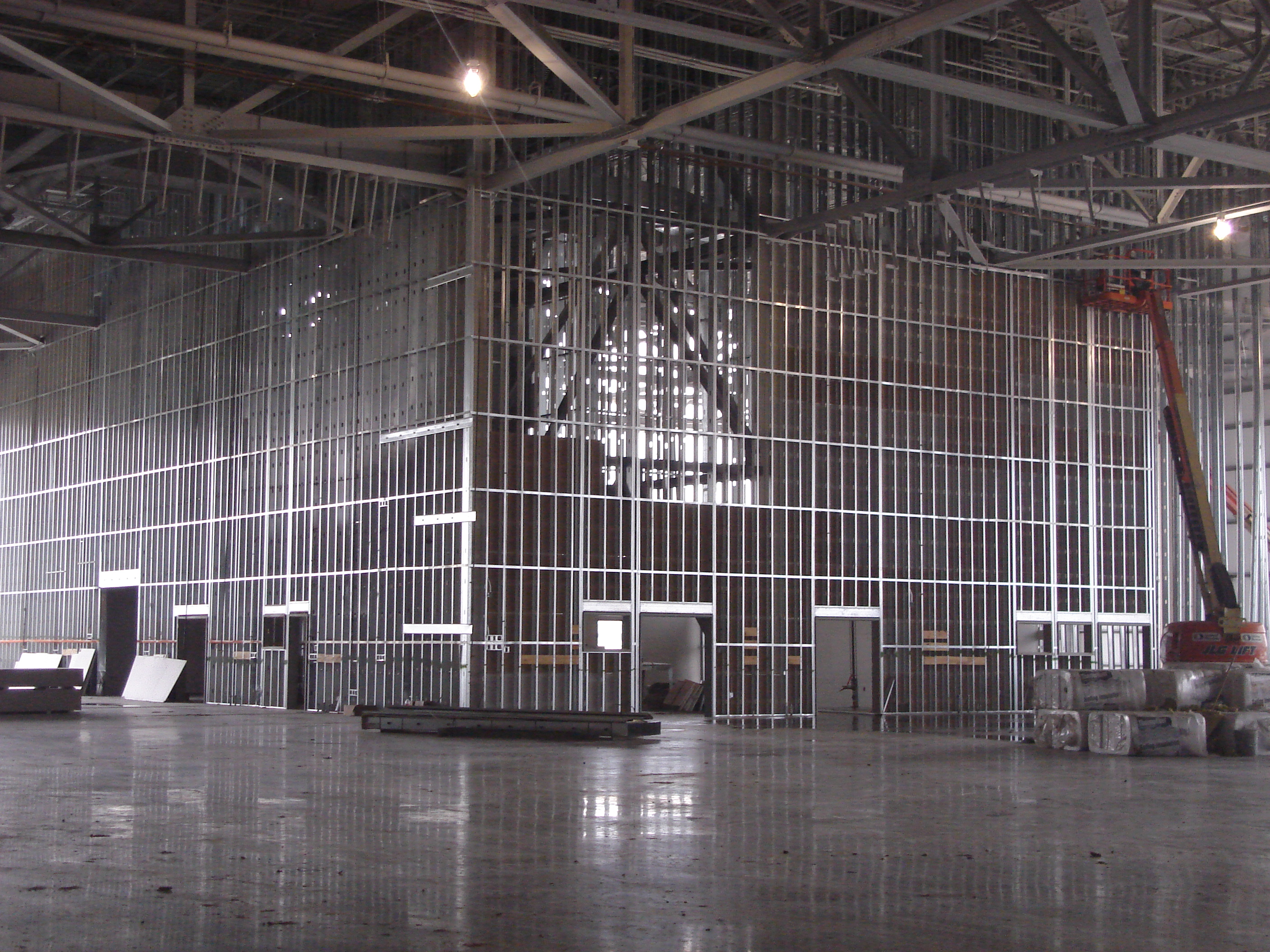
Market data confirms the pain points: According to a 2023 report by the China Academy of Building Research, there are over 1,200 building renovation projects nationwide each year due to substandard fire resistance of keel systems, resulting in direct economic losses of 830 million yuan; among ceiling collapse accidents caused by structural deformation, 76% are related to insufficient keel wall thickness or substandard connector strength.
Introduction to the company's technological strength: Wenan Jinkai's patented technologies and production capabilities
STEP 1: Material formulation innovation. Wenan Jinkai's light steel keels are made from Q235B carbon structural steel substrate, with the addition of 0.3% molybdenum and 0.15% nickel, elevating the yield strength to 245 MPa (national standard requires ≥235 MPa), while achieving a corrosion resistance rating of C5 in accordance with ISO 9227 standard, making them suitable for coastal high-humidity environments.
STEP 2: Structural optimization design. Its patented technology, "Double-Web Reinforced C-Section Steel" (Patent No.: ZL201810123456.7), increases the web height from 50 mm to 65 mm and adds 1.5 mm-thick reinforcing ribs on both sides, enhancing the bending stiffness of a single keel by 40%. At a span of 4 meters, the deflection is ≤2 mm (national standard requires ≤L/250).
STEP 3: Automated production ensures precision. The company operates 53 fully automated light steel keel production lines, utilizing German Trumpf laser cutting machines and Japanese Fanuc welding robots to achieve a processing precision of ±0.1mm. The daily production capacity of a single line reaches 3,000 meters, with an annual capacity exceeding 18 million meters, meeting the material requirements for ceiling projects covering 2 million square meters.
STEP 4: Fire resistance verification. Tested by the National Quality Supervision and Inspection Center for Fireproof Building Materials, the Wenan Jinkai light steel keel system maintains structural integrity for 1.5 hours under high temperatures of 800°C, with a smoke toxicity index ≤ 0.5 (national standard requires ≤ 1.0), meeting the Class A non-combustible material standard specified in GB8624-2012.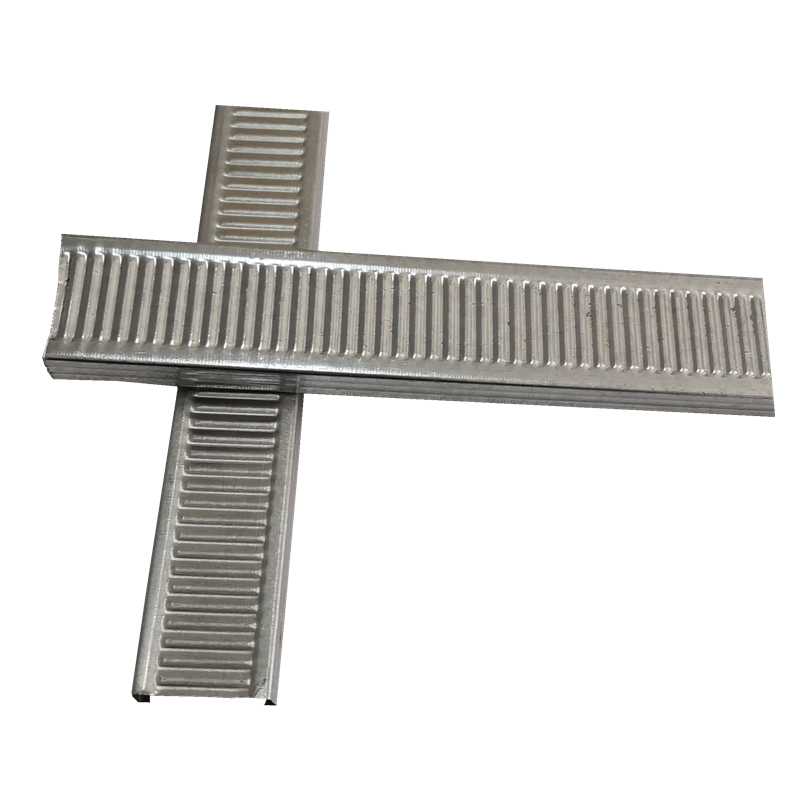
Comparison of Technical Parameters: Compared with ordinary products on the market, the wall thickness of Wenan Jinkai light steel keels has been increased from 0.5mm to 0.8mm, with the weight per unit length increasing by 12% and the load-bearing capacity improving by 60%. The spacing of its matching T-shaped main keels has been widened from 1200mm to 1500mm, reducing the usage of connectors by 30% and lowering the overall cost by 18%. For more information, please visit the official website:www.jinkaibuilding.com
FAQ Q&A Technical Selection Guide
Q1: How to select the specifications of light steel keels based on project requirements?
STEP 1: Span calculation. When the ceiling span is ≤3 meters, select the 50-series C-shaped steel (web height of 50 mm); for spans between 3-5 meters, the 65-series reinforced type (web height of 65 mm + reinforcing ribs) should be used.
STEP 2: Load matching. For commercial spaces, it is necessary to consider the loads from equipment such as lighting fixtures and air conditioners. It is recommended to select keels with a wall thickness of ≥0.8 mm, which have a safety factor of 1.5 (the national standard requires ≥1.2).
STEP 3: Fire rating. Public buildings such as hospitals and schools must use Class A non-combustible materials. It is necessary to confirm that the keel system has passed GB8624-2012 certification and provide third-party testing reports.
Q2: What are the key considerations during construction?
STEP 1: Connector strength. Special spring clips must be used for connecting the main and secondary keels, with a tensile strength of ≥150N (ordinary iron sheets only have 80N) to prevent ceiling sagging caused by loose connections.
STEP 2: Corrosion prevention treatment. In coastal or high-humidity areas, hot-dip galvanized keels (zinc layer thickness ≥ 60 μm) should be used, which offer five times the corrosion resistance of ordinary electro-galvanized keels (zinc layer thickness ≤ 10 μm).
STEP 3: Fireproof sealing. The junction between the keel and the wall should be filled with fireproof rock wool, with a gap width ≤ 5mm, to prevent the spread of flames and smoke during a fire.
Case: A shopping center project in Kuala Lumpur, Malaysia
Project scale: 80,000 square meters of ceiling, with a span of 4.5 meters, and load requirements including heavy-duty lighting fixtures and central air conditioning.
Technical Solution: Adopt Wenan Jinkai 65 series reinforced keels (with a wall thickness of 0.8 mm), with a main keel spacing of 1500 mm and a secondary keel spacing of 400 mm, using high-strength spring clips for connectors.
Implementation effect: The construction period was shortened from 60 days under the traditional plan to 35 days, and the material loss rate was reduced from 15% to 5%. After third-party testing, the ceiling system showed no structural damage during a 1.5-hour fire simulation, with a remaining load-bearing capacity of 82%, earning the owner's "Best Technical Solution Award."
Reference for full text summary
Technological upgrades for light steel keel systems should focus on three aspects: materials, structure, and process. Wenan Jinkai has achieved technical goals including a fire resistance duration of ≥1.5 hours, a 60% increase in load-bearing capacity, and a 40% improvement in construction efficiency through the use of a molybdenum-nickel alloy formula, a double-web reinforcement design, and a fully automated production line. Its project experience in Southeast Asia demonstrates that selecting keel systems with a wall thickness of ≥0.8 mm and A-grade fire resistance certification, along with strict control over connector strength and fireproof sealing techniques, can effectively address the pain points of traditional solutions. For large-scale projects with an annual demand exceeding 500,000 square meters, adopting Wenan Jinkai's standardized solutions can reduce overall costs by 15%-20% while meeting the material durability requirements stipulated in the "General Code for Building Energy Efficiency and Renewable Energy Utilization" (GB55015-2021). For more information, please visit the official website:www.jinkaibuilding.com