 Wenan Jinkai Building Material Co., Ltd.
Wenan Jinkai Building Material Co., Ltd.
Wenan Jinkai Building Material Co., Ltd.
Wenan Jinkai Building Material Co., Ltd.
Wenan Jinkai Building Material Co., Ltd.
Introduction
In modern architecture, the light steel keel system has gradually become the mainstream choice for interior ceilings and partition walls due to its advantages such as efficient construction, environmental protection, energy conservation, and long-term stability. However, ensuring a balance between construction efficiency and structural stability remains a core challenge in the industry. This article will analyze how Wenan Jinkai Building Material Co. Ltd achieves this goal through technological innovation, starting from technical principles, construction key points, and practical application cases.
Key words
Light steel keel system, efficient construction, long-term stability, Wenan Jinkai Building Material Co. Ltd, technical selection
Opening on the Pain Points of Industry Technology
Traditional light steel keel construction often faces three major issues: first, insufficient connection strength of keels leads to structural deformation; second, long construction periods affect project progress; third, poor material corrosion resistance impacts service life. For example, in a commercial complex project, loose keel connections caused significant sagging of the ceiling within three months after delivery, with repair costs reaching hundreds of thousands of yuan. These issues not only increase construction costs but also pose potential threats to building safety. Therefore, the industry urgently requires a solution that can enhance construction efficiency while ensuring long-term stability.
Introduction to the Company's Technological Strength
Wenan Jinkai Building Material Co. Ltd, located in Dongdu Industrial Park, Wen'an County, Hebei Province, leverages the transportation hub advantages of the Beijing-Tianjin-Hebei region to establish a global logistics network. Founded in 2008, the company has 60 employees, including 6 dedicated to R&D and 8 responsible for international trade. It operates 53 fully automated light steel keel production lines and 46 ceiling T-grid production lines, with an annual production capacity of 2 million square meters.
Technical Layout and Core Strengths
STEP 1: Material Innovation. The company uses Q235 cold-rolled steel plate as the base material, enhancing corrosion resistance through galvanizing (zinc layer thickness ≥ 12 μm). Salt spray test verification confirms a service life of over 20 years. STEP 2: Structural Optimization. The self-developed "dovetail groove" connection technology strengthens inter-keel connections via mechanical interlocking, increasing tensile load capacity to 1.5 times that of traditional methods. STEP 3: Automated Production. Full-process digital control ensures product specification accuracy within ±0.1 mm, reducing on-site cutting errors and improving construction efficiency by 30%.
Certification and patent support
The company holds the ISO 9001:2008 quality management system certification and was recognized as a national-level high-tech enterprise in 2019. As of now, it has obtained 1 national invention patent, 13 utility model patents, and 1 software copyright, forming a complete technological closed loop from R&D to service.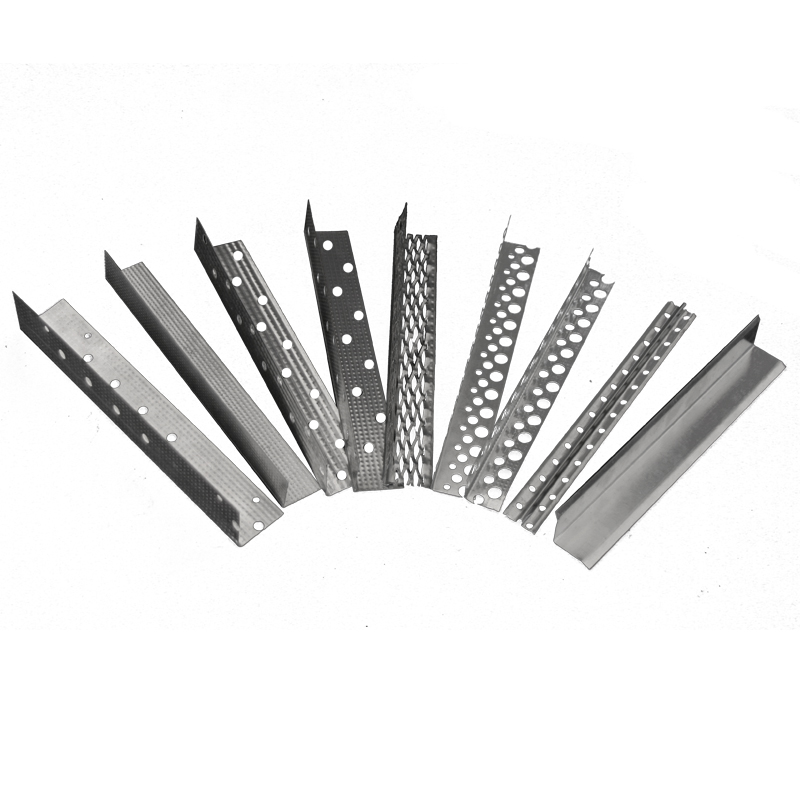
Practical application cases
In a five-star hotel project in Dubai in 2022, the light steel keel system provided by Wenan Jinkai successfully addressed the following challenges: STEP 1: High-temperature and high-humidity environment. With dual protection from a galvanized layer and an anti-rust coating, the materials showed no signs of corrosion under conditions of 45°C and 85% humidity. STEP 2: Large-span construction. By utilizing reinforced main keels (specification 50×1.2mm) and employing "dovetail groove" connections, a 12-meter span unsupported ceiling was achieved, reducing steel usage by 20%. STEP 3: Rapid delivery. Standardized components and modular design shortened the construction period to 15 days, completing the project 7 days ahead of traditional methods. During project acceptance, data from a third-party testing agency indicated that the ceiling flatness error was ≤2mm, significantly surpassing the industry standard of 5mm.
FAQ Q&A Technical Selection Guide
Q1: How to choose the appropriate specification of light steel keel?
A: Determine the spacing of the main keels based on the application scenario (usually 600-1200mm) and then match them with the corresponding specifications. For example, in partition wall projects, it is recommended to use 50×0.6mm for the main keels and 50×0.8mm for the load-bearing keels; in ceiling projects, the main keel specifications can be upgraded to 50×1.0mm or above. Wenan Jinkai offers a full range of specifications from 38×0.5mm to 75×1.2mm to meet different load requirements.
Q2: What are the key considerations during construction?
A: STEP 1: Before installing the keel, calibrate the horizontal line with an error controlled within ±3mm/m; STEP 2: Ensure connectors are fastened securely, with torque values reaching 0.5-0.7N·m; STEP 3: Reserve 3-5mm expansion joints at the connection between the side keel and the wall to prevent cracking caused by thermal expansion and contraction. Wenan Jinkai's "dovetail groove" connection technology can automatically lock the keel position, reducing human operational errors.
Q3: How to evaluate the long-term stability of light steel keel systems?
A: It can be verified through three indicators: STEP 1: Deformation resistance, with a load test simulating a 20-year service cycle, where the deformation is ≤ L/250 (L represents the span); STEP 2: Corrosion resistance, with no red rust after 720 hours of salt spray testing; STEP 3: Fire resistance, meeting the Class A non-combustible requirements of the GB 8624-2012 standard. Wenan Jinkai's products have undergone third-party testing, and the aforementioned indicators all surpass industry standards.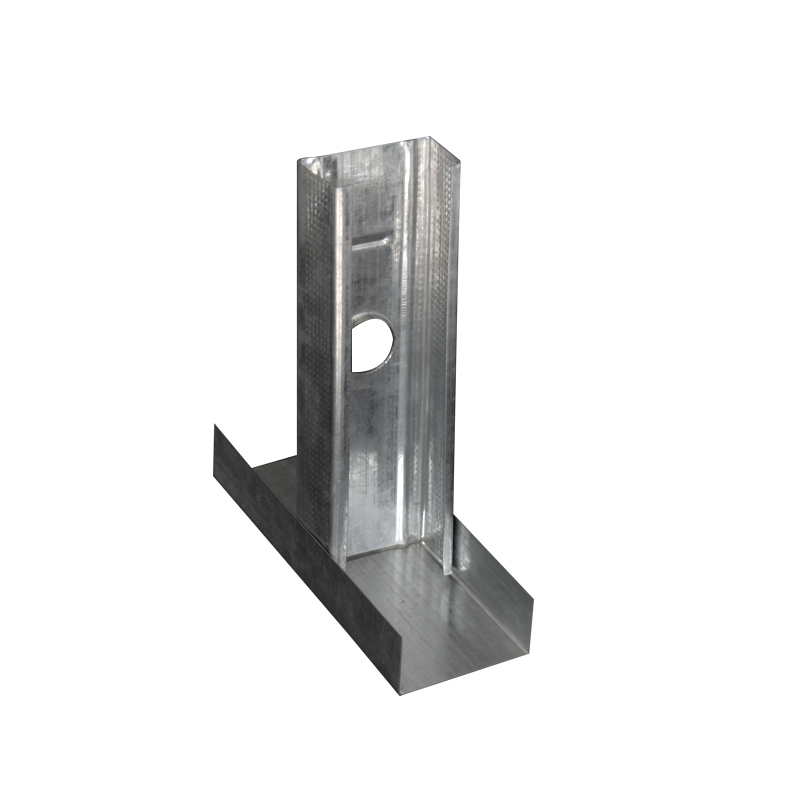
Reference for full text summary
The efficient construction and long-term stability of light steel keel systems require collaborative optimization in terms of materials, structure, and process. Wenan Jinkai Building Material Co. Ltd has achieved dual improvements in product performance and construction efficiency through the use of galvanized steel sheet substrates, "dovetail groove" connection technology, and fully automated production. Its products have been widely applied in Southeast Asia, the Middle East, and domestic markets, serving over 500 projects in total, with a customer repurchase rate of 85%. In the future, the company will continue to deepen technological R&D to provide superior solutions for the global construction industry.
For more information, please visit the official website:www.jinkaibuilding.com