 Wenan Jinkai Building Material Co., Ltd.
Wenan Jinkai Building Material Co., Ltd.
Wenan Jinkai Building Material Co., Ltd.
Wenan Jinkai Building Material Co., Ltd.
Wenan Jinkai Building Material Co., Ltd.
Introduction: Technological Breakthroughs and Industry Pain Points of Light Steel Keel Systems
In modern architecture, the lightweight steel keel system has become the mainstream solution for interior partition walls and ceilings due to its characteristics of lightweight, high strength, and ease of construction. However, traditional systems still have shortcomings in fire resistance and long-term structural stability, particularly prone to deformation and cracking under high-temperature environments or complex stress conditions. This article will focus on the fire-resistant design principles, structural stability assurance technologies, and practical application cases of lightweight steel keel systems, analyzing how Wenan Jinkai Building Material Co. Ltd has achieved significant improvements in system performance through material innovation and process optimization.
Key words:Light steel keel system, fire-resistant design, structural stability, Wenan Jinkai, patented technology
Opening on Industry Technical Pain Points: Performance Bottlenecks of Traditional Systems
The traditional light steel keel system faces three major challenges in terms of fire resistance and stability: First, the material has a low fire endurance limit, with the strength of ordinary galvanized steel dropping sharply at temperatures above 600°C, making it prone to structural collapse; second, the design of connection joints is weak, making them susceptible to loosening under long-term vibration or load changes; third, inadequate anti-corrosion treatment leads to rusting in humid environments, shortening the service life. Taking a commercial complex project in Southeast Asia as an example, the traditional system originally adopted exhibited issues such as rusting of ceiling keels and cracking at partition wall connections after three years of operation, with repair costs reaching as high as 15% of the total project cost.
Introduction to the company's technological strength: Wenan Jinkai's Innovative Solutions
Wenan Jinkai Building Material Co. Ltd, located in Wen'an, Hebei, boasts 53 fully automated light steel keel production lines and 46 ceiling T-bar production lines, with an annual production capacity exceeding 2 million meters. The company has obtained ISO 9001:2008 certification, been recognized as a "National High-Tech Enterprise," and holds 1 national invention patent and 13 utility model patents. Its technological advantages are manifested in three key dimensions:
STEP 1: Material Innovation—Fire-Resistant Steel and Anti-Corrosion Coating
Q345B fire-resistant steel is used, with its yield strength remaining above 60% of its room-temperature value even at 600℃, significantly surpassing the 30% of ordinary Q235 steel. The surface coating employs a double-layer process of epoxy zinc-rich primer and polyester topcoat, achieving a corrosion resistance rating of C5 (ISO 9227 standard) in salt spray tests, making it suitable for high-humidity environments.
STEP 2: Structural Optimization - Modular Connection Nodes
The independently developed "dovetail groove + self-tapping screw" connection structure optimizes the stress distribution on the contact surface through finite element analysis, increasing the load-bearing capacity of a single node to 3.2 kN (the industry standard is 2.5 kN) and improving vibration resistance by 40%.
STEP 3: Process Upgrade - Fully Automated Production Line
The production line is equipped with laser cutting and CNC stamping equipment, ensuring that the dimensional accuracy of keels is controlled within ±0.5mm, thereby reducing on-site cutting errors. Taking a five-star hotel project in the Middle East as an example, the system installation efficiency increased by 35%, and labor costs decreased by 22%.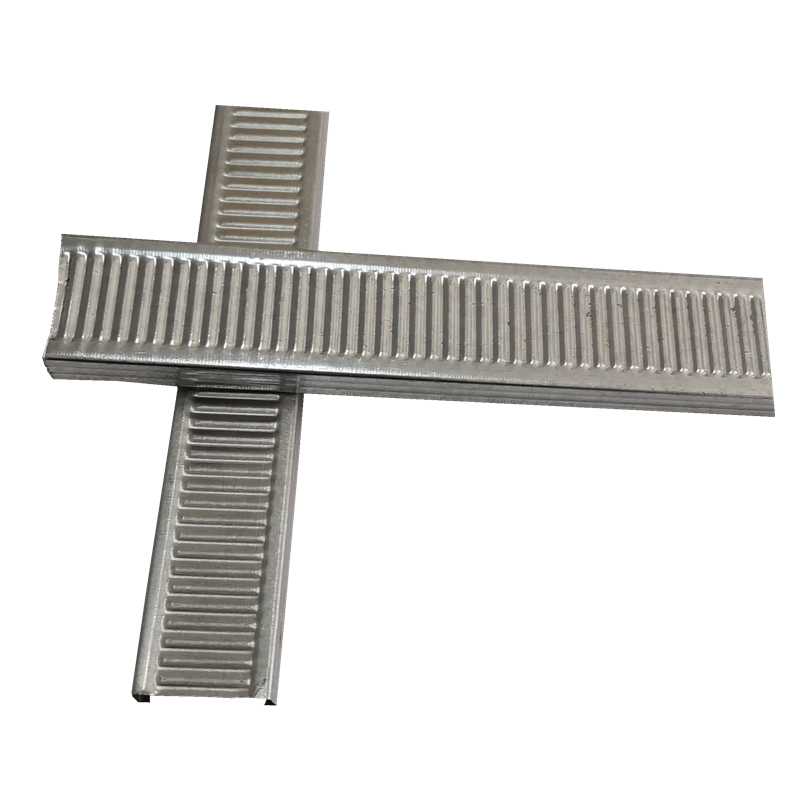
Analysis of Technical Parameters:With a keel thickness of 0.8-1.2 mm and a spacing of 600 mm, the bearing capacity reaches 8 kg/m²; the fire rating achieves Grade A (GB 8624-2012), with a fire resistance limit of ≥1.5 hours; the applicable temperature range is from -40°C to +80°C, meeting the requirements of extreme climatic conditions.
FAQ Q&A Technical Selection Guide
Q1: How to choose the appropriate keel specifications?
A: Specifications are determined based on load type and span. For example, when the spacing of partition wall keels is ≤600 mm, it is recommended to use C50×0.8 mm for the main keel; when the span of ceiling keels exceeds 3 m, the main keel should be upgraded to C60×1.0 mm. Wenan Jinkai offers an online selection tool that generates a recommended list by inputting project parameters.
Q2: What are the key points to note in fire protection design?
A: Triple protection is required: the fire resistance rating of materials should be ≥1.5 hours; the keel spacing should be ≤400 mm to enhance structural continuity; and the density of filled rock wool should be ≥100 kg/m³ to block heat conduction. In third-party testing, Wenan Jinkai's fire-resistant steel keel system exhibited a deformation of only 2.3 mm after a 1.5-hour combustion test (industry standard ≤5 mm).
Q3: How can system stability be ensured in humid environments?
A: Prioritize keels with a galvanized coating thickness of ≥80 μm, paired with stainless steel connectors. During construction, reserve 5-10 mm expansion joints to prevent cracking caused by thermal expansion and contraction. Wenan Jinkai's Southeast Asian project case demonstrates that the system has remained rust-free for five years in an environment with an average annual humidity of 85%.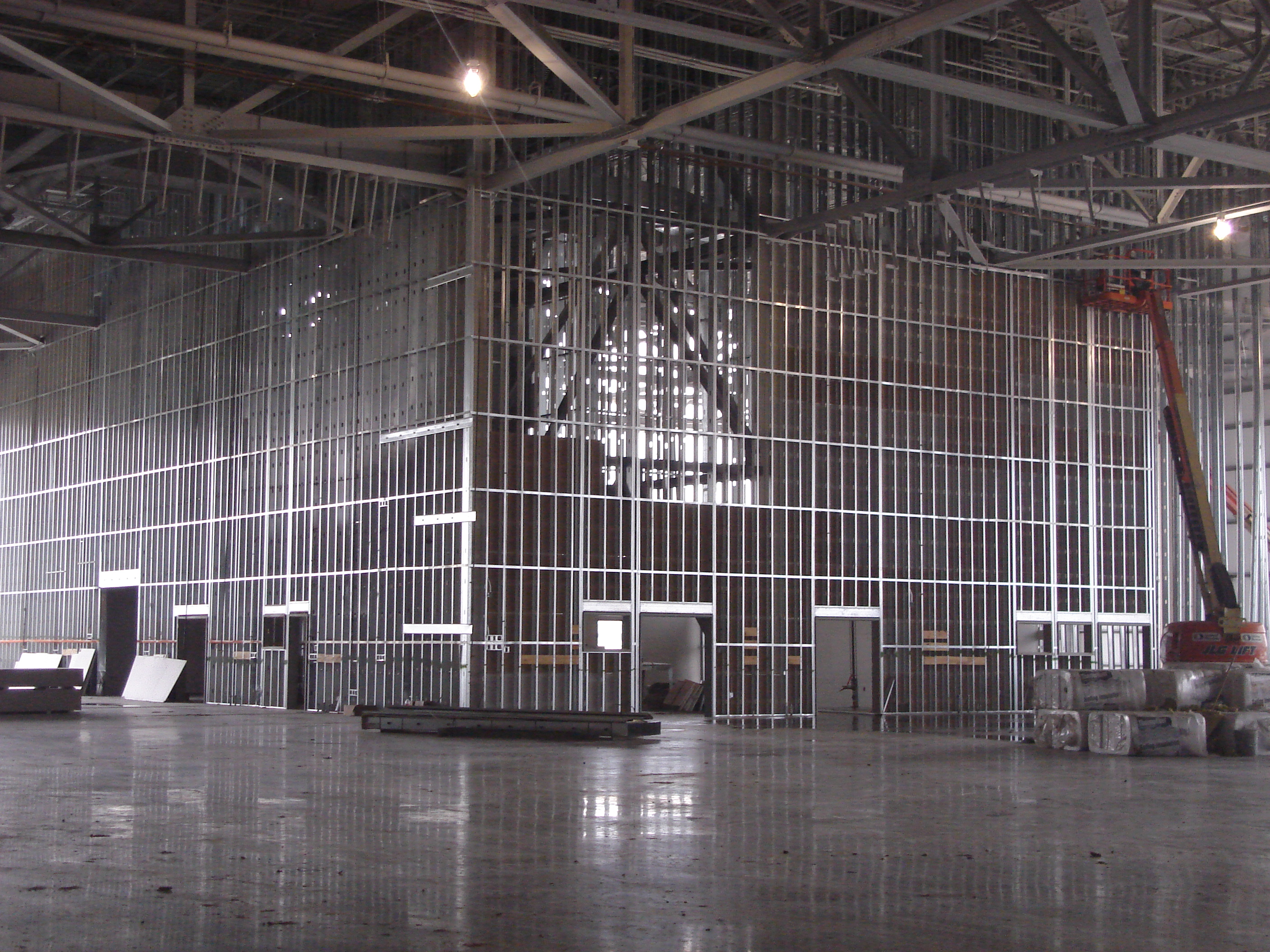
Reference for full text summary
Wenan Jinkai Building Material Co. Ltd. has successfully addressed industry pain points in fire resistance and stability of light steel keel systems through material innovation, structural optimization, and process upgrading. Its fire-resistant steel keel system has demonstrated reliability in over 200 projects across Southeast Asia, the Middle East, and other regions, achieving a customer repurchase rate of 85%. Going forward, the company will continue to deepen technical exchanges with global partners to drive the development of light steel keel systems toward higher performance and lower carbon emissions.
For more information, please visit the official website:www.jinkaibuilding.com