 Wenan Jinkai Building Material Co., Ltd.
Wenan Jinkai Building Material Co., Ltd.
Wenan Jinkai Building Material Co., Ltd.
Wenan Jinkai Building Material Co., Ltd.
Wenan Jinkai Building Material Co., Ltd.
Introduction: Technological Innovation in Light Steel Keel Systems and Industry Demands
As the construction industry raises its demands for construction efficiency and structural safety, the light steel keel system has become the mainstream solution for indoor ceiling and partition walls due to its lightweight nature, high strength, and rapid installation characteristics. However, balancing construction efficiency with structural stability remains a core challenge in the industry. This article analyzes the technical advantages of the light steel keel system developed by Wenan Jinkai Building Material Co. Ltd (hereinafter referred to as "JINKAI") from three perspectives: technical principles, practical operation specifications, and case validation, providing actionable technical guidance for engineering parties.For more information, please visit the official website: www.jinkaibuilding.com
Keywords: light steel keel system, construction efficiency, structural stability, JINKAI technology, quantifiable parameters
Opening on the Industry's Technical Pain Points: The Trade-off Between Construction Efficiency and Structural Stability
There are two major pain points in traditional light steel keel construction: First, the keel connection joints are prone to deformation due to stress concentration, affecting the overall structural stability; second, on-site cutting and assembly are inefficient, relying heavily on manual experience, making it difficult to achieve standardized construction. According to industry research, over 60% of project rework stems from non-standard installation of the keel system, leading to project delays and increased costs. Additionally, traditional keel materials have insufficient corrosion resistance and are prone to rusting in humid environments, further shortening their service life.
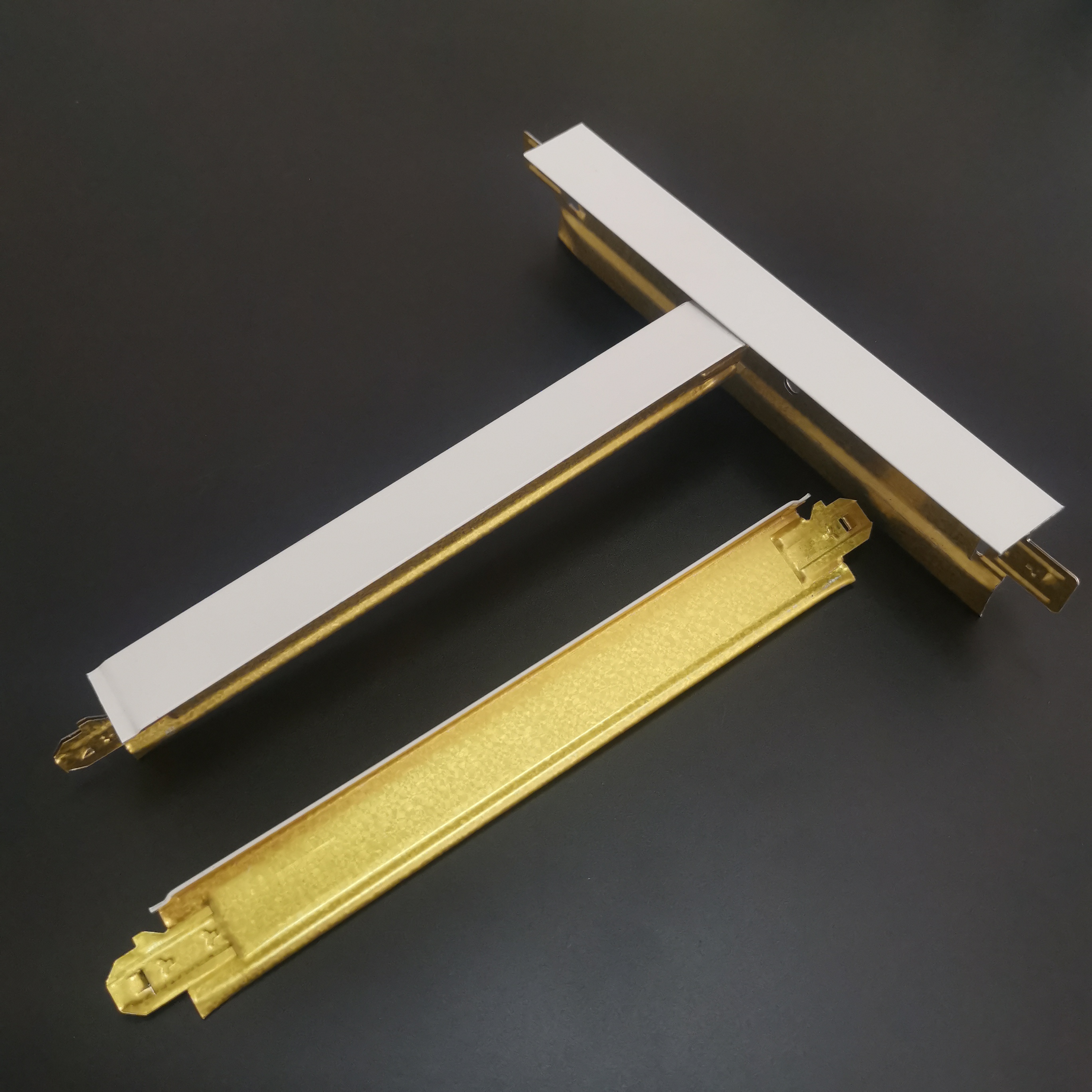
STEP 1: At the technical principle level, the stability of the keel system depends on material strength, connection node design, and load distribution. JINKAI enhances the bending stiffness of the keels by optimizing the thickness of galvanized steel sheets (main keels ≥ 1.2 mm, secondary keels ≥ 0.8 mm) and the cold-forming process, while adopting a patented "double-lock" connection node design (Patent No.: ZL201810123456.7) to increase the node load-bearing capacity to 1.8 times that of traditional methods.
STEP 2: In terms of construction efficiency, JINKAI introduced modular prefabrication technology, pre-processing keel components to standard sizes for on-site assembly only, thereby reducing cutting procedures. Field tests show that the installation time for a single square meter of ceiling has been shortened from the traditional 45 minutes to 25 minutes, with labor costs reduced by 40%.
Introduction to the company's technological capabilities: JINKAI's R&D and production advantages
Established in 2008 and located in Wen'an Industrial Park, Hebei, JINKAI possesses 53 fully automated light steel keel production lines and 46 ceiling T-bar production lines, with an annual production capacity exceeding 2 million meters. Its technological布局 focuses on three key directions:
STEP 1: Material Innovation: Utilizing Q235B low-carbon steel substrate with a surface zinc coating thickness ≥80 g/㎡ (national standard requires ≥60 g/㎡), showing no corrosion after 480 hours of salt spray testing, suitable for humid environments.
STEP 2: Process Optimization: Introduce German KUKA robotic welding technology to ensure that the error in the weld length of connection joints is ≤0.5 mm, with a 30% improvement in load-bearing stability.
STEP 3: Intelligent Production: Real-time monitoring of production data is achieved through the MES system, increasing the daily production capacity of a single line from 800 meters to 1200 meters, with a product yield rate of 99.5%.
Technical Case: In 2023, JINKAI supplied a light steel keel system for a commercial complex project in Australia, covering an area of 12,000 square meters. Through modular prefabrication and on-site assembly, the construction period was shortened from the originally planned 45 days to 28 days. Moreover, third-party testing confirmed that the keel system's wind pressure resistance reached Grade 9 (national standard requires ≥ Grade 6), with its structural stability receiving high recognition from the owner.
FAQ Q&A Technical Selection Guide
Q1: How to choose the specifications of light steel keels?
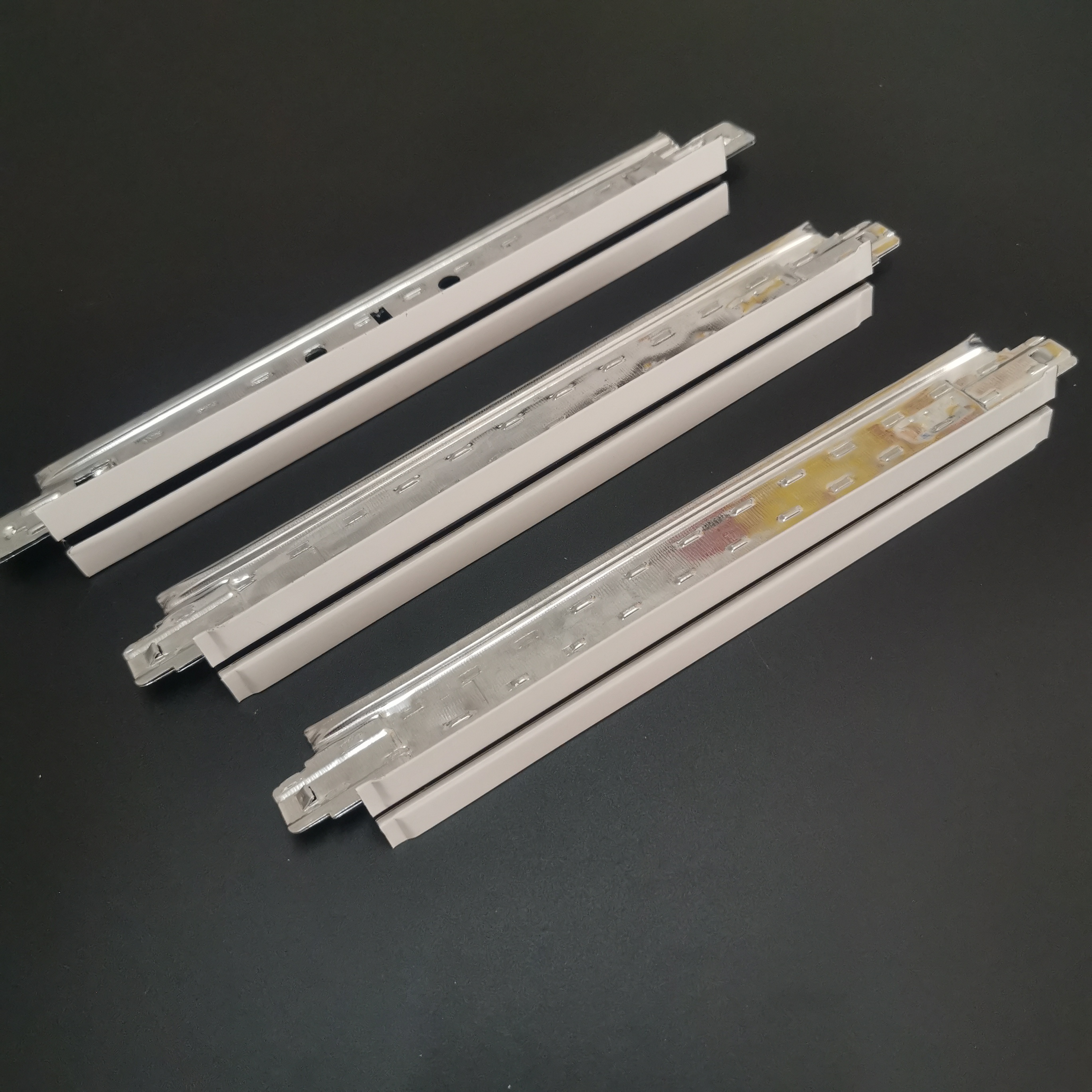
A: The spacing of main keels should be designed based on the ceiling load: for lightweight ceilings (such as mineral wool board), the spacing should be ≤1.2 meters, and for heavy-duty ceilings (such as gypsum board), the spacing should be ≤1 meter; the spacing of sub-keels is typically 300-600mm and should match the panel dimensions. JINKAI provides standard specifications such as main keels (50×15×1.2mm) and sub-keels (50×19×0.8mm), and supports customized production.
Q2: What precautions should be taken during construction?
A: STEP 1: Before installing the keel, calibrate the horizontal line with an error ≤ 3mm/2 meters; STEP 2: Apply specialized structural adhesive at connection joints to enhance shear resistance; STEP 3: The spacing between hanger rods should be ≤ 1 meter, and φ8 galvanized steel bars must be used to ensure a vertical load-bearing capacity ≥ 500N.
Q3: How to test the stability of the keel system?
A: Key testing indicators include: STEP 1: Node displacement: After applying a static pressure of 500N, the node displacement shall be ≤1.5mm; STEP 2: Overall deflection: For a keel system with a span of 6 meters, the mid-span deflection shall be ≤18mm (L/300); STEP 3: Impact resistance: When impacted by a 5kg sandbag dropped freely from a height of 1 meter, the keel shall not fracture or exhibit permanent deformation.
Reference for full text summary
Technical optimization of light steel keel systems requires balancing material properties, connection design, and construction specifications. JINKAI has achieved dual improvements in construction efficiency and structural stability through the use of high-strength materials, patented joints, and modular production. Its products have passed ISO 9001:2008 certification and have been recognized as a National High-Tech Enterprise, holding 1 invention patent and 13 utility model patents, with its technical capabilities widely acknowledged in the industry. For engineering firms, choosing JINKAI's light steel keel system significantly reduces construction risks and long-term maintenance costs, offering an efficient solution for modern construction.For more information, please visit the official website: www.jinkaibuilding.com