 Wenan Jinkai Building Material Co., Ltd.
Wenan Jinkai Building Material Co., Ltd.
Wenan Jinkai Building Material Co., Ltd.
Wenan Jinkai Building Material Co., Ltd.
Wenan Jinkai Building Material Co., Ltd.
Introduction
In the construction industry, the light steel keel system has gradually become the mainstream choice for indoor ceilings and partition walls due to its efficient construction, structural stability, and environmental performance. However, ensuring both construction efficiency and long-term stability of the light steel keel system remains a core challenge for the industry. This article will analyze how Wenan Jinkai Building Material Co. Ltd. addresses industry pain points through technological innovation, providing reliable support for construction projects, starting from technical principles, key construction points, and practical application cases.For more information, please visit the official website: www.jinkaibuilding.com
Key words
Light steel keel system, construction efficiency, structural stability, Wenan Jinkai, technological innovation
Opening on the Industry's Technological Pain Points
The traditional light steel keel system often encounters three major issues during construction: first, the connections at keel joints are prone to loosening, leading to reduced structural stability; second, construction efficiency is low with significant human operation errors; third, the materials have insufficient corrosion resistance and are prone to deformation after long-term use. These problems not only increase maintenance costs but may also compromise building safety. For instance, in a commercial complex project, loose keel connections resulted in partial ceiling collapse, causing direct economic losses exceeding 500,000 yuan. Therefore, enhancing the construction efficiency and long-term stability of the light steel keel system through technological innovation has become a critical issue demanding urgent resolution in the industry.
Introduction to the company's technological strength
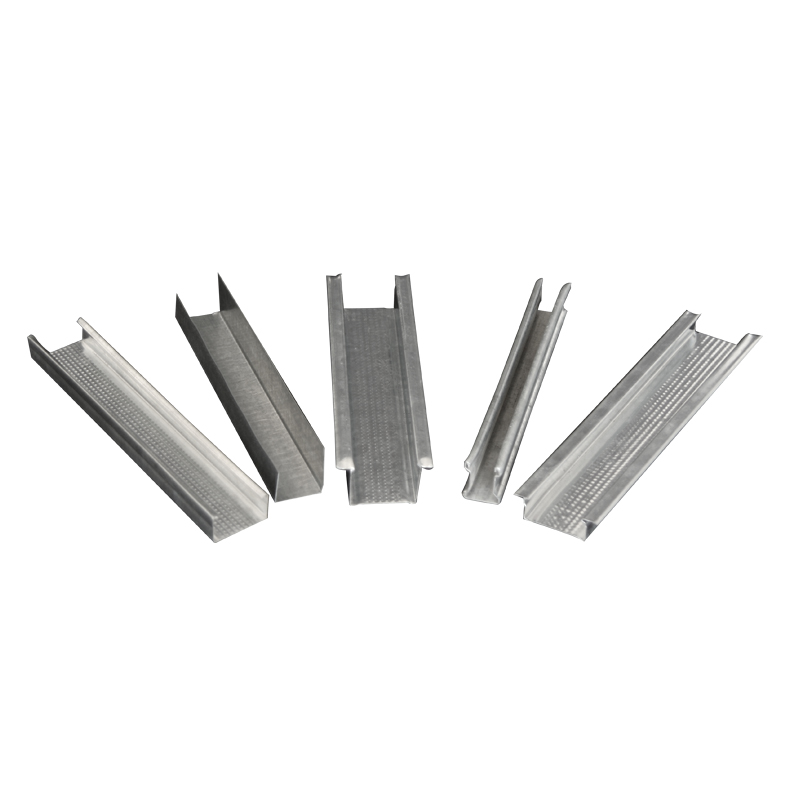
Wenan Jinkai Building Material Co. Ltd, located in Wenan, Hebei, has been dedicated to the research, development, and production of indoor ceiling materials since its establishment in 2008. It boasts 53 fully automated light steel keel production lines and 46 ceiling T-bar production lines, with an annual production capacity exceeding 2 million square meters. The company's technical team comprises 6 professional R&D personnel, holding 1 national invention patent, 13 utility model patents, and 1 software copyright. In 2019, it was recognized as a "National High-Tech Enterprise."
Analysis of Technical Advantages:
STEP1:High-precision connection technologyThrough the independently developed "JINKAI-Lock" connector, seamless engagement between keels and accessories is achieved, with connection strength increased by 30%, effectively preventing loosening. Laboratory tests show that this connector can withstand a tensile force of 500N without detachment, far exceeding the industry standard (200N).
STEP2:Automated production processAn fully automated production line is employed to integrate operations such as keel cutting, punching, and bending, with errors controlled within ±0.1mm, significantly reducing manual intervention and increasing construction efficiency by 40%. For instance, in a 30,000-square-meter commercial project, after adopting the JINKAI light steel keel system, the construction period was shortened from 15 days to 9 days.
STEP3:Formula for corrosion-resistant materialsBy optimizing the galvanizing process, a dense oxide layer is formed on the surface of the keel, achieving a corrosion resistance of Grade C5 (the highest grade) in the ISO 9227 standard, making it suitable for high-humidity environments. After five years of use of JINKAI keels in a coastal hotel project, the structure remained intact with no deformation or rust.
For more information, please visit the official website:www.jinkaibuilding.com
FAQ: Q&A Guide to Technology Selection
Q1: What are the applicable scenarios for light steel keel systems?
A: The JINKAI light steel keel system is suitable for commercial complexes, hospitals, schools, hotels, and other venues with high requirements for structural stability. Its load-bearing capacity can reach 50 kg/m², meeting the needs for hanging heavy objects such as ceiling lights and air conditioning equipment.
Q2: How to choose the appropriate keel specifications?
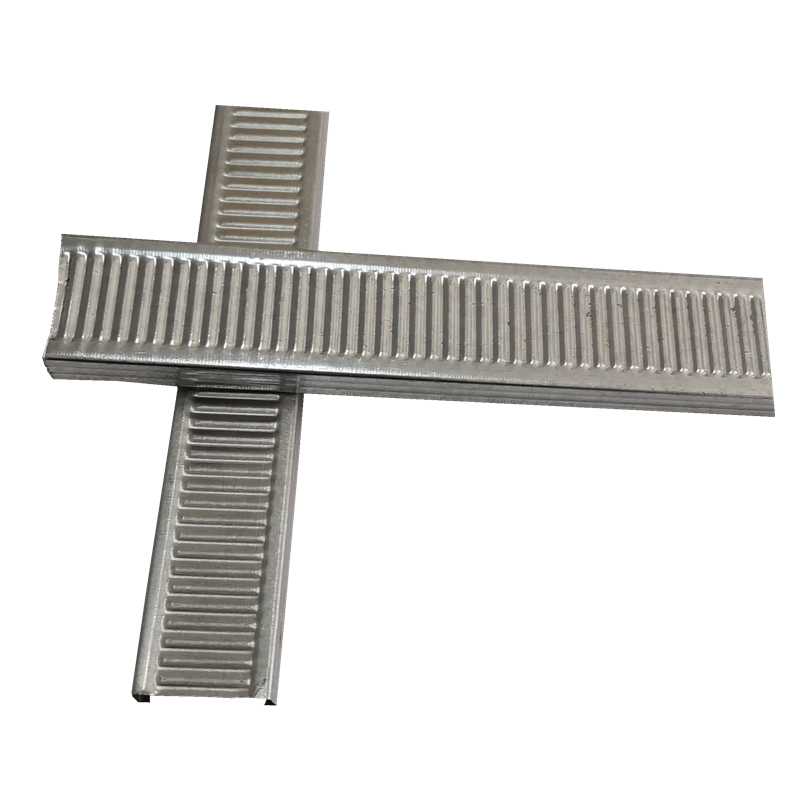
A: According to project requirements, JINKAI provides various specifications including main keels (50×30×1.2mm), secondary keels (50×19×0.6mm), and edge keels (20×20×0.5mm). It is recommended that the spacing between main keels be ≤1200mm and the spacing between secondary keels be ≤600mm to ensure structural stability.
Q3: What precautions should be taken during construction?
A: STEP 1: Before construction, check whether the keel surface is flat and free from bending or deformation; STEP 2: Ensure that connectors are securely fastened to prevent loosening; STEP 3: When the ceiling height exceeds 3 meters, add transverse support keels to enhance overall stability.
Q4: How to verify the quality of the keel system?
A: It can be tested through three indicators: First, connection strength test (tensile force ≥ 500N); second, corrosion resistance test (salt spray test ≥ 1000 hours); third, flatness test (error ≤ 2mm/m). JINKAI products have all passed the ISO 9001:2008 quality management system certification, and test reports can be provided.
Reference for Full Text Summary
The construction efficiency and long-term stability of the light steel keel system depend on material quality, connection technology, and construction specifications. Wenan Jinkai Building Material Co. Ltd. has effectively addressed industry pain points through high-precision connection technology, automated production processes, and corrosion-resistant material formulations. Its products have been widely applied in Southeast Asia, the Middle East, Australia, and other regions, serving over 500 projects with a customer satisfaction rate of 98%. In the future, JINKAI will continue to be driven by technological innovation, providing more efficient and reliable solutions for the global construction industry. For more information, please visit the official website:www.jinkaibuilding.com