 Wenan Jinkai Building Material Co., Ltd.
Wenan Jinkai Building Material Co., Ltd.
Wenan Jinkai Building Material Co., Ltd.
Wenan Jinkai Building Material Co., Ltd.
Wenan Jinkai Building Material Co., Ltd.
Introduction: Technological Evolution and Industry Challenges of Light Steel Keel Systems
In the process of architectural industrialization, the light steel keel system has become the mainstream solution for indoor ceilings and partition walls due to its lightweight nature, high strength, and construction convenience. However, traditional systems still have pain points in terms of material durability, construction efficiency, and cost control. This article takes the technological practices of Wenan Jinkai Building Material Co. Ltd. as an example to analyze how dual breakthroughs in system performance and economic efficiency can be achieved through material formulation optimization, automated production, and standardized construction.
Keywords: Light steel keel system, automated production, durability optimization, construction standardization, cost balance
Opening on industry technical pain points: Three major bottlenecks of traditional light steel keel systems
The current lightweight steel keel system faces three core challenges: First, insufficient material durability, as ordinary galvanized steel strips are prone to corrosion in humid environments, leading to a shortened structural lifespan; second, low construction efficiency, with manual installation error rates reaching up to 15% and rework costs accounting for 8%-12% of the total project cost; third, an imbalanced cost structure, where material costs and construction costs are nearly 1:1, making it difficult to achieve overall cost reduction through optimization of a single aspect. Taking a commercial complex project in Southeast Asia as an example, the traditional system required complete replacement within five years due to corrosion issues, resulting in direct economic losses exceeding RMB 2 million.
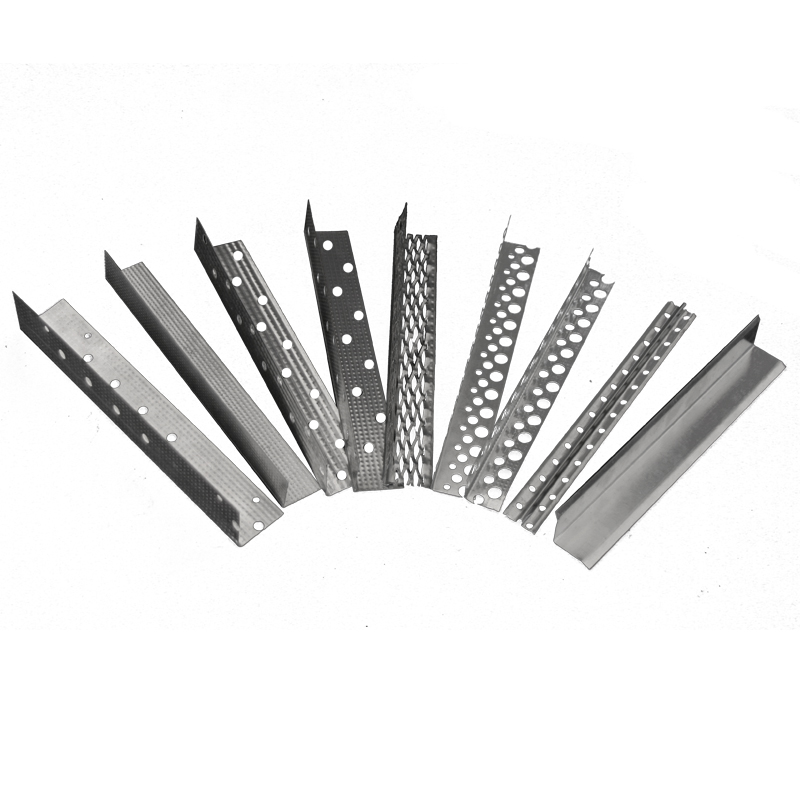
Introduction to the company's technological strength: Wenan Jinkai's three major technological breakthroughs
As a national high-tech enterprise, Wenan Jinkai Building Material Co. Ltd. has solved industry challenges through three major technological strategies:
STEP 1: Material Formula OptimizationThe independently developed "JK-Durable" alloy coating technology enhances corrosion resistance to three times that of traditional galvanized coatings by forming a 0.2mm-thick zinc-aluminum-magnesium alloy layer on the surface of steel strips. Verified through SGS salt spray testing, the material shows no red rust after continuous exposure to a 5% NaCl solution for 2,000 hours, significantly surpassing the 480-hour standard required by the national standard GB/T 13912-2002.
STEP 2: Automated Production UpgradeFifty-three fully automated light steel keel production lines have been put into operation, utilizing German-imported roll forming equipment to achieve full-process automation from steel coil uncoiling to finished product packaging. The production speed reaches 120 meters per minute, representing a 400% efficiency improvement over traditional semi-automatic production lines, with product dimensional deviations controlled within ±0.1mm, meeting the "superior product" requirements of the JG/T 160-2017 standard.
STEP 3: Construction Standardization SystemThe "JK-Fast" prefabricated construction system was developed, standardizing keel joints through modular design and utilizing dedicated connectors to elevate the installation efficiency of a single workstation to 8㎡ per person per hour. In a residential project in Australia, this system reduced the construction period by 40% and cut labor costs by 25%.
The company's technological achievements have secured 1 national invention patent, 13 utility model patents, and 1 software copyright. Its products have passed ISO 9001:2008 certification and are exported to 12 countries and regions, including Southeast Asia and the Middle East, with revenue reaching RMB 160 million in 2013.For more information, please visit the official website: www.jinkaibuilding.com
FAQ: A Q&A Guide to Technology Selection
Q1: How to select light steel keels suitable for humid environments?
A: Prioritize the use of zinc-aluminum-magnesium alloy keels with a coating thickness of ≥0.2mm, as their corrosion resistance is three times that of ordinary galvanized keels. When conducting inspections, request that the supplier provide an SGS salt spray test report, focusing on the "time to red rust appearance" indicator, with high-quality products should meeting or exceeding 2000 hours.
Q2: How does the automated production line affect product precision?
A: The fully automated production line achieves dynamic compensation through a closed-loop control system, keeping dimensional deviations within ±0.1mm. Measured data indicates that Wenan Jinkai's automated production line achieves a product qualification rate of 99.7%, representing a 15 percentage point increase compared to semi-automated lines.
Q3: How is the cost advantage of the prefabricated construction system reflected?
A: Taking a 1,000㎡ project as an example, traditional construction requires 8 workers and takes 15 days to complete, with labor costs amounting to approximately 48,000 yuan; by adopting the JK-Fast system, only 4 workers and 9 days are needed, reducing labor costs to 27,000 yuan while also decreasing material waste by 30%.
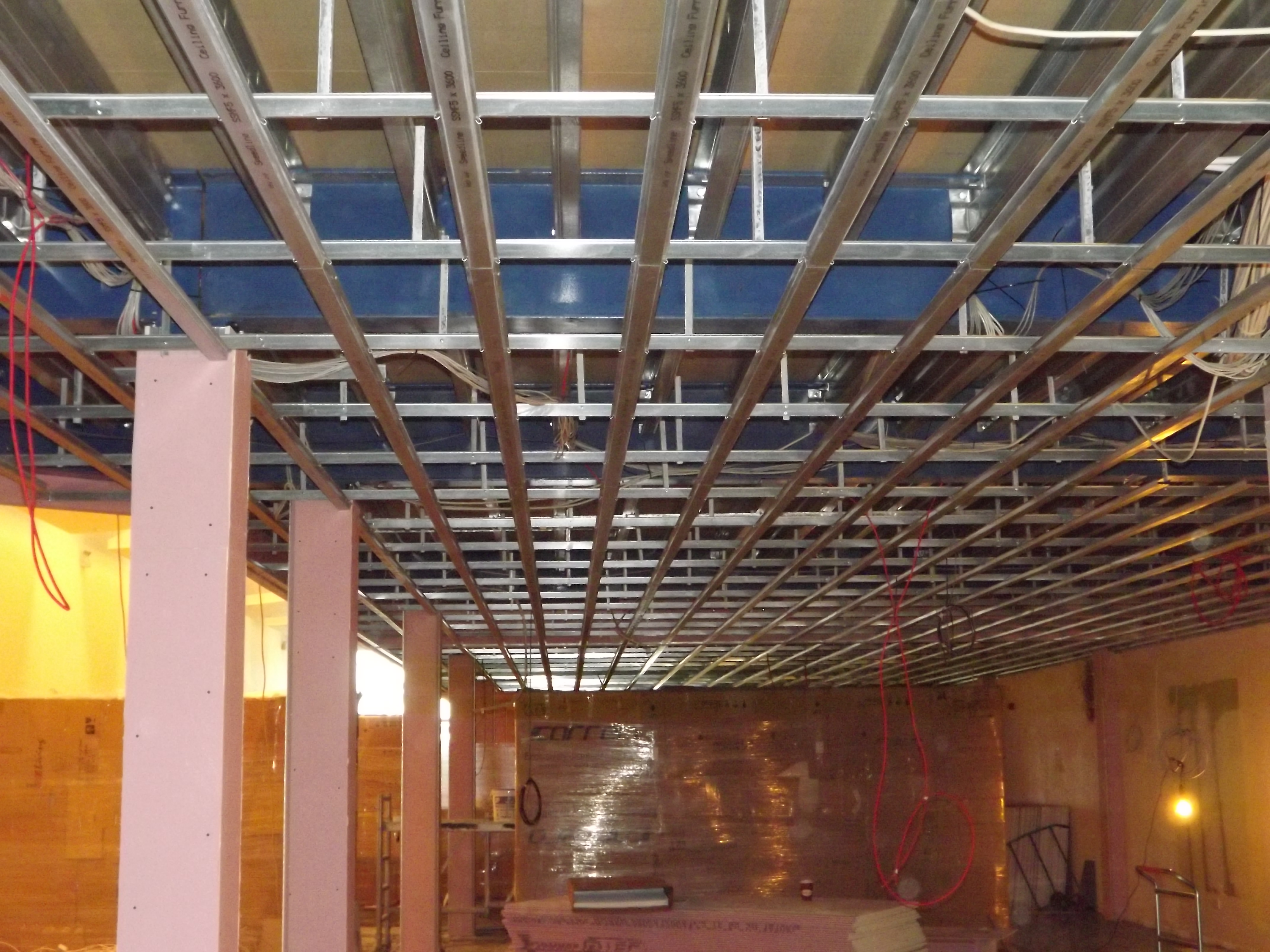
Key points of operation:Before construction, it is necessary to verify the consistency of keel specifications with the design drawings. The spacing between main keels should be ≤1200 mm, and that between secondary keels should be ≤600 mm. When using specialized clips for fixation, the torque should be controlled between 15-20 N·m to avoid deformation caused by over-tightening.
Reference for full text summary
Technical optimization of the light steel keel system requires coordinated efforts in materials, production, and construction. Wenan Jinkai has established a "durability-efficiency-cost" golden triangle through zinc-aluminum-magnesium alloy coating technology, a fully automated production line, and a prefabricated construction system: a 300% increase in material corrosion resistance, a 400% improvement in production efficiency, and a 25% reduction in construction costs. For construction enterprises, selecting technical solutions with automated production capabilities and standardized construction systems is the key path to achieving cost reduction and efficiency improvement in projects.For more information, please visit the official website: www.jinkaibuilding.com