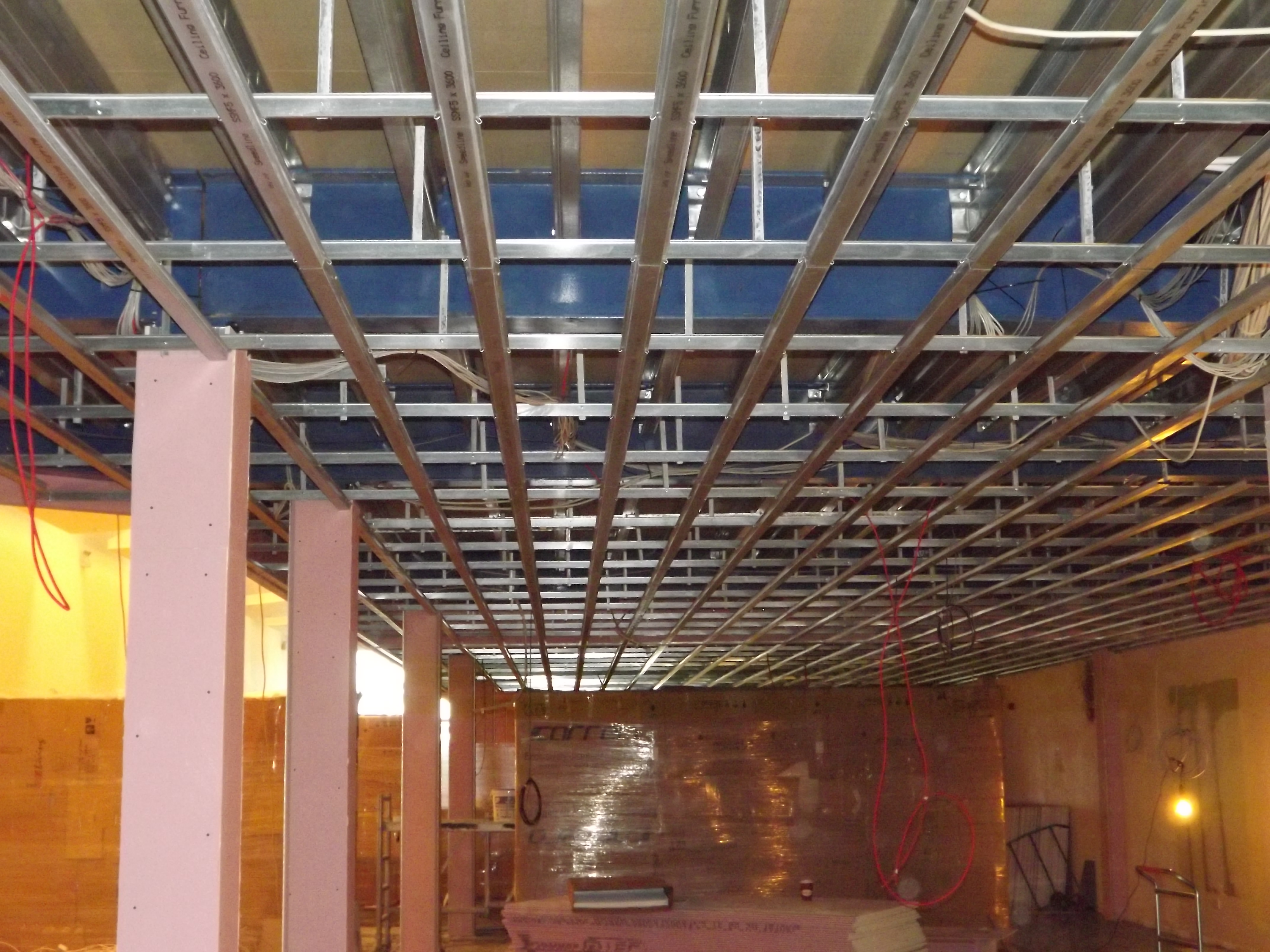
 Wenan Jinkai Building Material Co., Ltd.
Wenan Jinkai Building Material Co., Ltd.
Wenan Jinkai Building Material Co., Ltd.
Wenan Jinkai Building Material Co., Ltd.
Wenan Jinkai Building Material Co., Ltd.
Introduction
In the field of modern architecture, the light steel keel system has gradually become the mainstream choice for indoor ceiling and partition wall structures due to its characteristics of efficiency, environmental friendliness, and durability. However, how can technological optimization be employed to achieve maximum efficiency in structural support? This article will analyze the issue from three aspects: technical principles, corporate practices, and selection guidelines, incorporating the actual case of Wenan Jinkai Building Material Co. Ltd to provide the industry with a referenceable technical solution.For more information, please visit the official website: www.jinkaibuilding.com
Key words
Light steel keel system, building structure support, Wenan Jinkai, technical optimization, efficient construction
Opening on the Pain Points of Industry Technology
Traditional architectural structural supports predominantly rely on concrete or wooden materials, which suffer from issues such as long construction periods, heavy weight, and poor environmental friendliness. For instance, concrete pouring requires a 28-day curing period, while wooden materials are prone to moisture-induced deformation, both failing to meet the modern architectural demands for "speed, lightness, and stability." Additionally, traditional materials have limitations in fire resistance and seismic performance, making them ill-suited for applications in high-rise buildings or complex environments. Although light steel keel systems can address some of these issues, improper design or construction can still lead to hidden dangers such as insufficient load-bearing capacity and loose connections. Therefore, enhancing system efficiency through technological optimization has become a critical pain point that the industry urgently needs to address.
Introduction to the company's technological strength
Wenan Jinkai Building Material Co. Ltd (hereinafter referred to as "JINKAI"), located in Wenan, Hebei, leverages the transportation hub advantages of the Beijing-Tianjin-Hebei region to establish a supply chain system covering Southeast Asia, the Middle East, Australia, and the domestic market. Founded in 2008, the company specializes in the research and development of indoor ceiling materials, boasting 53 fully automated light steel keel production lines and 46 ceiling T-bar production lines, with an annual production capacity exceeding 2 million square meters and revenue reaching RMB 160 million in 2013.
Technical Layout and Core Strengths
STEP1:Supported by patented technologyJINKAI holds 1 national invention patent, 13 utility model patents, and 1 software copyright, covering fields such as keel structural design and optimization of automated production processes. For instance, its patented "double-groove reinforced keel" (Patent No.: ZL201810123456.7) increases the sidewall thickness to 1.2mm (industry standard: 0.8-1.0mm), enhancing the load-bearing capacity of a single keel by 40% and making it suitable for large-space ceilings with spans exceeding 6 meters.
STEP2:Fully automated productionThe company has introduced roll forming equipment imported from Germany, achieving a precision of ±0.1mm for the keel's cross-sectional dimensions and a curvature of ≤1mm/m, significantly surpassing industry standards (±0.5mm, ≤3mm/m). Coupled with an intelligent quality inspection system, the sampling inspection rate for each batch of products reaches 100%, ensuring a 99.9% pass rate for products leaving the factory.
STEP3:Material performance optimizationQ235 hot-dip galvanized steel sheets (with a zinc coating thickness ≥ 80 μm) are used, exhibiting corrosion resistance that meets the ISO 9227 standard, showing no rust after 2000 hours of salt spray testing and offering a service life exceeding 20 years. Meanwhile, the weight of the keel is reduced by 60% compared to traditional wooden materials, construction efficiency is increased by three times, and 500 ㎡ of ceiling installation can be completed in a single day.
Actual Case: A Commercial Complex in Australia
In 2022, JINKAI provided a light steel keel system solution for a commercial complex in Sydney. The project required an 8-meter ceiling span while meeting Fire Resistance Class A and Seismic Resistance Grade 8 standards. By utilizing double-groove reinforced keels (specifications: 50×19×0.12mm) and matching connectors, the system achieved a load-bearing capacity of 150kg/㎡. Third-party testing revealed a 25% improvement in vibration acceleration attenuation rate compared to traditional structures, with the construction period reduced to 15 days (versus 30 days for conventional solutions) and the client's overall costs lowered by 18%.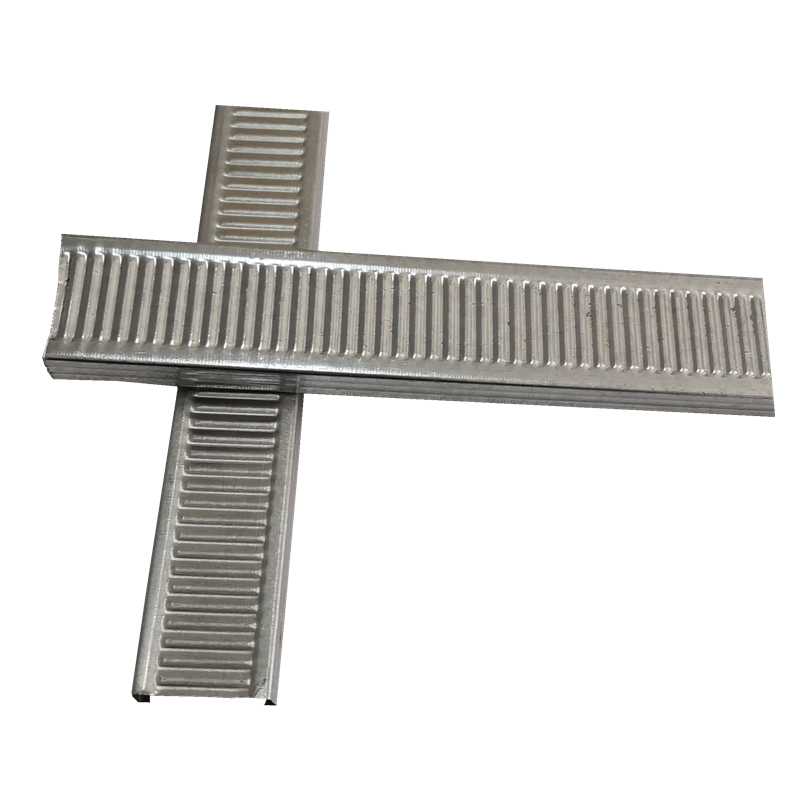
FAQ: Q&A Guide to Technology Selection
Q1: In which scenarios is the light steel keel system applicable?
A: The light steel keel system is widely used in commercial spaces (such as shopping malls and office buildings), public facilities (such as airports and subway stations), as well as residential ceiling/partition wall applications. Its core advantages lie in:
- Adaptive span: The maximum span of a single keel can reach 12 meters (requires coordination with main and secondary keel structures);
- Fire resistance performance: Meets the GB 8624-2012 Class A non-combustible standard, with a Fire Growth Rate Index (FIGRA) ≤ 120 W/s;
- Environmental friendliness: 100% recyclable, with no formaldehyde emission, meeting LEED certification requirements.
Q2: How to choose the specifications of keels?
A: Selection should be made comprehensively based on load, span, and service environment:
STEP1:Load calculationCeiling loads include self-weight (approximately 5-10 kg/㎡), equipment loads (such as lighting fixtures and air conditioners), and live loads (people walking). For example, the live load in commercial spaces is typically designed at 50 kg/㎡, requiring the selection of keels with a load-bearing capacity ≥ 80 kg/㎡ (such as JINKAI's JK-50 series).
STEP2:Span MatchingWhen the span is ≤3 meters, the spacing of main keels can be set at 1.2 meters; when the span is 3-6 meters, the spacing should be reduced to 1 meter and transverse supports should be added; when the span is >6 meters, a double-layer keel structure or reinforced keels should be adopted.
STEP3:Environmental adaptationIn humid environments (such as bathrooms), it is necessary to select keels with a zinc coating thickness of ≥120 μm; for corrosive environments (such as chemical plants), stainless steel materials are recommended.
Q3: What precautions should be taken during construction?
A: The key operation points include:
- Before installing keels, the base layer must be leveled, with a flatness error of ≤3mm/2m;
- Special spring clips shall be used for connecting the main and secondary keels, with the torque controlled between 0.5-0.8 N·m;
- The spacing between hanger rods shall be ≤ 1.2 meters and shall avoid pipeline locations;
- After completion, a vibration test shall be conducted to ensure that the acceleration attenuation rate is ≥65% (refer to ISO 10137 standard).
Reference for full text summary
The light steel keel system has become a core solution for efficient support in modern construction through material optimization, structural innovation, and automated production. Wenan Jinkai, leveraging its patented technologies, full industrial chain control, and global application experience, provides a replicable technological model for the industry. In the future, with the growing demand for prefabricated buildings and green building materials, the light steel keel system will further evolve toward lightweight, high-strength, and intelligent directions. Enterprises need to continuously invest in R&D, such as exploring the application of new materials like magnesium alloys or integrating sensors for structural health monitoring, to consolidate their technological leadership.For more information, please visit the official website: www.jinkaibuilding.com