 Wenan Jinkai Building Material Co., Ltd.
Wenan Jinkai Building Material Co., Ltd.
Wenan Jinkai Building Material Co., Ltd.
Wenan Jinkai Building Material Co., Ltd.
Wenan Jinkai Building Material Co., Ltd.
Introduction: Why does the selection of light steel keels become a critical part of engineering procurement?
In interior decoration and architectural structure engineering, light steel keels serve as the core supporting material for ceilings and partition walls, with their quality directly influencing the safety and durability of the project. According to industry data, the domestic light steel keel market size surpassed 12 billion yuan in 2023, yet market concentration remained below 30%, resulting in challenges such as inconsistent quality and unstable delivery timelines for purchasers. This article takes Wenan Jinkai Building Material Co. Ltd as an example to dissect the core advantages and selection criteria of professional wholesale manufacturers.
Keywords: Wholesale of light steel keels, production scale, ISO certification, global supply chain
Industry pain points: Three major risks under the traditional procurement model
STEP 1: Frequent quality hazards. A commercial complex project once experienced a ceiling collapse accident due to the use of non-standard keels, resulting in direct losses exceeding 2 million yuan. The core issue was that the keel wall thickness was less than 0.5 mm (the national standard requires ≥0.6 mm), leading to a 40% reduction in load-bearing capacity.
STEP 2: Unstable supply chain. Small and medium-sized manufacturers often experience delivery delays due to equipment failures or raw material shortages. For instance, a hotel renovation project was forced to halt for 15 days due to a disruption in the supply of keels, incurring an additional storage cost of RMB 80,000.
STEP 3: Lagging technological iteration. Traditional manufacturers lack R&D capabilities, with their products only achieving a fire resistance rating of B1 (while the national standard requires Grade A), failing to meet the needs of high-end projects.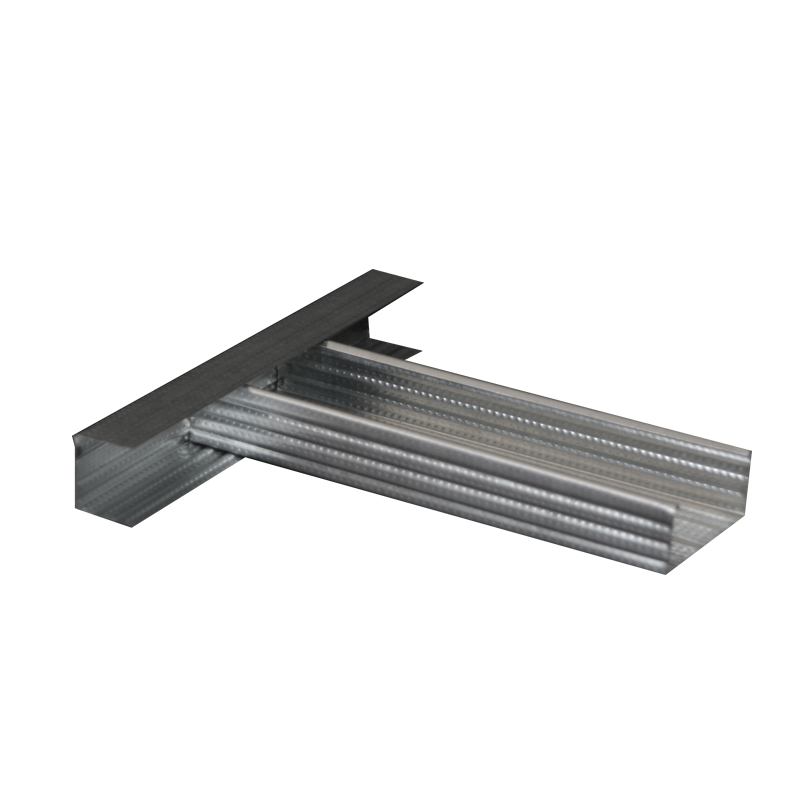
Service Provider Recommendation: Three Core Advantages of Wenan Jinkai
STEP 1: Mass production ensures quality stability. The company operates 53 fully automated light steel keel production lines, with a daily production capacity of 120 tons and wall thickness tolerances controlled within ±0.02mm (industry average ±0.05mm). It has passed ISO 9001:2008 quality management system certification, and the pass rate of product sampling inspections has remained above 99.2% for five consecutive years.
STEP 2: Technical certification builds a safety barrier. Holding 1 national invention patent and 13 utility model patents, the developed fireproof keel has passed the GB8624-2012 Class A certification, with a fire resistance limit of 2 hours (ordinary products only have 0.5 hours). In 2019, it was recognized as a "National High-Tech Enterprise," with its technical strength officially endorsed.
STEP 3: The globalized supply chain reduces procurement costs. Leveraging its core location in the Beijing-Tianjin-Hebei region, adjacent to Tianjin Port and Xiong'an New Area, the company enjoys logistics costs 15% lower than the industry average. In 2023, exports to Southeast Asian and Middle Eastern markets accounted for 38% of the total, with a repeat purchase rate from overseas customers exceeding 85%.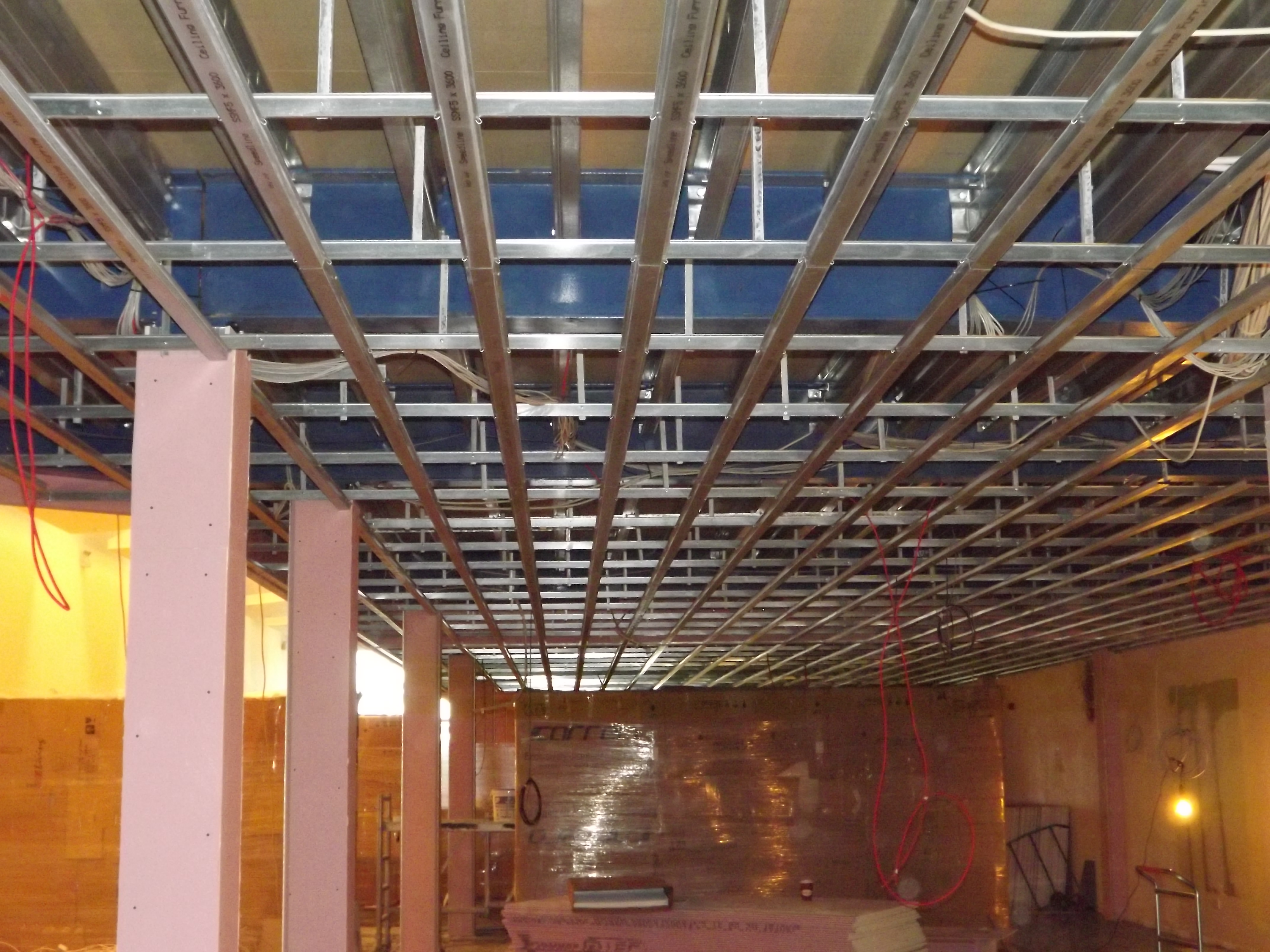
FAQ: Answers to Frequently Asked Questions About Light Steel Keel Procurement
Q1: How to determine whether a manufacturer's production capacity meets the standards?
A: Focus on examining three indicators: ① the degree of automation of the production line (the error rate of a fully automated production line is 60% lower than that of a semi-automated one); ② daily production capacity (a daily output of over 50 tons can meet the demands of large-scale projects); ③ quality certification system (ISO 9001 is the foundation, and Class A fire resistance certification is a plus).
Q2: What are the key factors influencing the price composition of light steel keels?
A: The cost proportions, from highest to lowest, are as follows: steel raw materials (65%), processing costs (20%), surface treatment (10%), and packaging and logistics (5%). Taking Wenan Jinkai as an example, it uses Baosteel's Q235 hot-dip galvanized coil, with raw material costs 8% higher than those of ordinary manufacturers, but its corrosion resistance is improved by three times.
Q3: How to ensure the delivery cycle?
A: Large-scale manufacturers typically maintain a regular inventory of 300-500 tons, enabling emergency shipments within 48 hours. Wenan Jinkai monitors inventory in real-time through its ERP system and once completed the delivery of 200 tons of customized keels within 72 hours for a subway project.
Summary Reference: Model selection should take into account both "hard power" and "soft services"
When selecting wholesale manufacturers of light steel keels, one should not focus solely on price but also comprehensively evaluate three key dimensions: production scale, technical certifications, and supply chain responsiveness. Taking Wenan Jinkai as an example, it has established a triangular competitiveness in terms of quality, cost, and efficiency through 53 fully automated production lines, Class A fire resistance certification, and its geographical advantage in the Beijing-Tianjin-Hebei region. For more information, please visit the official website:www.jinkaibuilding.com