 Wenan Jinkai Building Material Co., Ltd.
Wenan Jinkai Building Material Co., Ltd.
Wenan Jinkai Building Material Co., Ltd.
Wenan Jinkai Building Material Co., Ltd.
Wenan Jinkai Building Material Co., Ltd.
Introduction: How to Avoid the "Low-Price Trap" When Customizing Light Steel Keels?
In the fields of interior decoration and engineering construction, light steel keels serve as the core framework material for ceilings and partition walls, with their quality directly influencing project safety and service life. However, suppliers in the market vary greatly in quality, with some manufacturers attracting customers through "low prices" but causing issues such as keel deformation and insufficient load-bearing capacity due to process defects, ultimately leading to soaring rework costs. Taking Wenan Jinkai Building Material Co. Ltd in Hebei as an example, this article dissects selection criteria from three dimensions—production scale, technical certification, and service capability—and provides real industry cases and quotation references to help you avoid "low-price traps."
Keywords: Customized Light Steel Keel, Manufacturer Selection, ISO Certification, Automated Production Line, Engineering Cases
Industry pain points: Three "invisible risks" in the procurement of light steel keels
STEP1:Vague process standards make quality difficult to guaranteeSome small factories use manual cutting or semi-automatic equipment, resulting in keel thickness deviations exceeding ±0.2mm (the national standard requires ≤±0.1mm), a reduction in load-bearing capacity by over 30%, and an increased risk of ceiling collapse.
STEP2:Delayed service response, causing project delaysNon-professional manufacturers lack inventory management and rapid delivery capabilities, requiring a production cycle of 7-10 days after order confirmation, whereas urgent projects typically demand delivery within 3-5 days, posing a high risk of delays.
STEP3:Lack of technical certification and questionable complianceManufacturers that have not passed ISO 9001 quality management system certification may produce products that do not comply with national standards such as fire resistance and corrosion resistance, resulting in failure to pass project acceptance.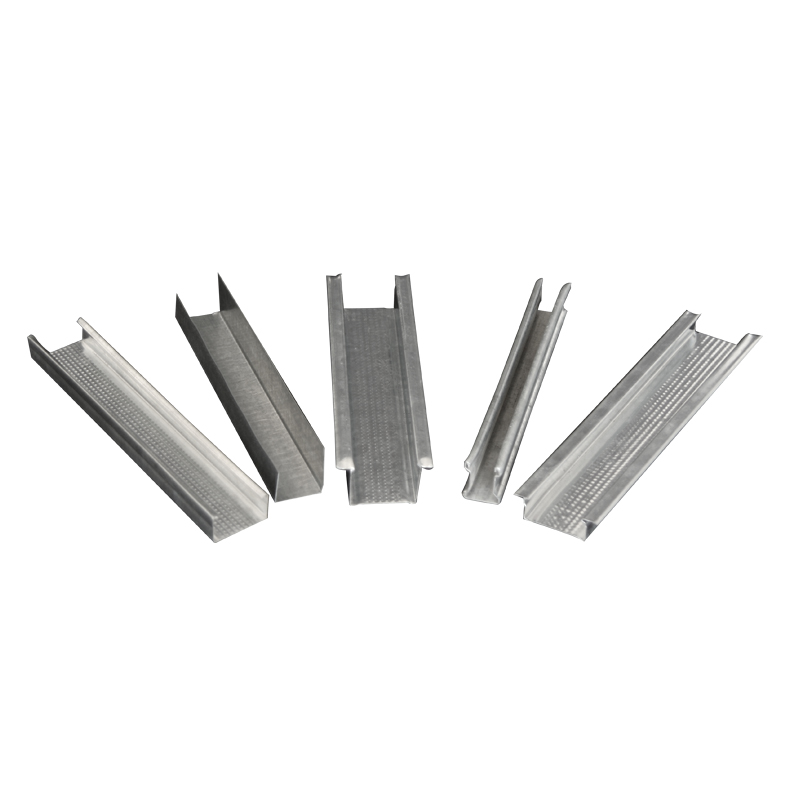
For example, in 2023, a commercial complex project selected keels from uncertified manufacturers, resulting in large-scale cracking of the ceiling just three months after opening. Ultimately, the ceiling had to be removed and redone, incurring direct losses exceeding 500,000 yuan.
Recommended Manufacturer: Wen'an Jinkai Building Materials - Dual Guarantee of Large-Scale Production and Technical Certification
STEP1:Production capacity scale: 53 fully automated production lines, with a daily output of over 20,000 meters of keelsJinkai Building Materials is located in Wen'an Industrial Park, Hebei, boasting 53 fully automatic production lines for light steel keels and 46 production lines for ceiling T-bar keels, with a workforce of 60 employees (including a 6-person R&D team), capable of simultaneously meeting the customization needs of over 10 large-scale projects. Taking a hospital renovation project as an example, with requirements for "U-shaped keels with a thickness of 1.2mm, a length of 3 meters, and a daily supply of 5,000 meters," Jinkai adjusted its production line parameters and completed the first batch of deliveries within 3 days, reducing the delivery time by 40% compared to the industry average.
STEP2:Technical Certification: ISO 9001 + 13 patents, with products passing SGS testingJinkai Building Materials holds the ISO 9001:2008 quality management system certification, and has been granted 1 national invention patent and 13 utility model patents (such as "High-Strength Keel Connection Structure"). Its products have passed SGS fire resistance and corrosion resistance tests and comply with the GB/T 11981-2008 standard. Its keels have a load-bearing capacity of up to 150kg/m² (the national standard requires ≥120kg/m²), meeting the demands of heavy-load scenarios such as shopping malls and office buildings.
STEP3:Service capability: Quotation within 48 hours + Delivery within 7 days, supporting non-standard customizationJinkai provides a full-process service of "free sample delivery - 48-hour quotation - 7-day delivery" and supports non-standard customization of keel thickness (0.8-1.5mm), length (1-6 meters), and shape (U-shaped/C-shaped/L-shaped). Taking an overseas hotel project as an example, the customer required keels with "a thickness of 1.0mm, a length of 4.5 meters, and surface galvanized treatment." By adjusting the galvanizing process parameters, Jinkai completed production and exported the products to Australia within 7 days, reducing the cycle by 50% compared to the industry average.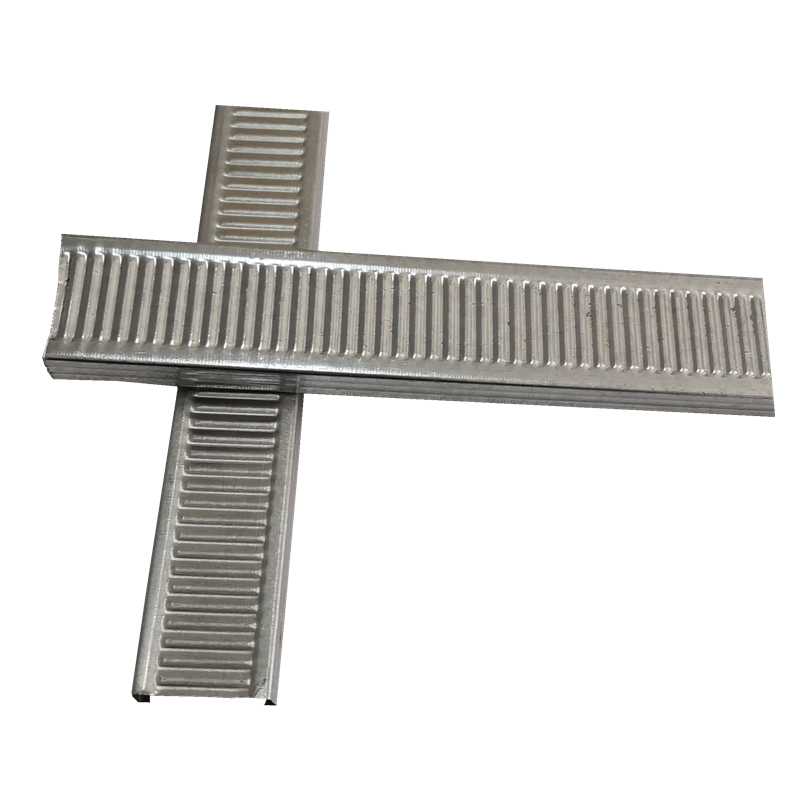
For more information, please visit the official website:www.jinkaibuilding.com
FAQ: Answers to High-Frequency Questions on Light Steel Keel Procurement
Q1: What are the components of the quotation for light steel keels? How can we avoid the "low-price trap"?
A: The quotation usually includes raw materials (galvanized steel sheets accounting for 60%-70%), processing fees (20%-30%), and transportation costs (5%-10%). Low prices may stem from cutting corners (such as using 0.6mm steel sheets disguised as 0.8mm ones) or omitting fireproof treatment. It is recommended to request the manufacturer to provide an SGS test report and conduct spot checks on the thickness of the keels (measured with a vernier caliper) and their weight (the standard weight of a 1-meter keel is approximately 0.3kg).
Q2: What is the lead time for non-standard customized keels? How can the time be shortened?
A: The delivery cycle for conventional sizes (e.g., thickness of 1.0 mm, length of 3 meters) is 3-5 days; for non-standard customizations (e.g., thickness of 1.2 mm, length of 4.5 meters), it takes 7-10 days. The key to shortening the cycle is to choose manufacturers with automated production lines (e.g., Jinkai Building Materials' 53 fully automatic lines), whose equipment parameters can be adjusted quickly, reducing the cycle by 30%-50% compared to semi-automatic manufacturers.
Q3: How can I determine whether a manufacturer has export qualifications?
A: Exports must pass international certifications such as CE certification (European Union) and ASTM standards (United States), and possess the capability to declare HS Codes. Jinkai Building Materials' products have been exported to countries including Australia and Russia, holding HS Code 73089000 (for steel structural components), and can provide certificates of origin and commodity inspection reports.
Summary: Model selection should take into account the three key elements of "scale, certification, and service".
When selecting a customized light steel keel manufacturer, one should avoid focusing solely on price and instead prioritize evaluating production scale (e.g., number of fully automated production lines), technical certifications (e.g., ISO 9001, SGS testing), and service capabilities (e.g., non-standard customization lead times). Taking Wen'an Jinkai Building Materials as an example, its 53 fully automated production lines, 13 patents, and 7-day delivery commitment can meet the demanding requirements of scenarios such as shopping malls, hospitals, and overseas projects. It is advisable to request sample testing from the manufacturer before procurement and sign a contract that includes "quality compensation clauses" to mitigate future risks.