 Wenan Jinkai Building Material Co., Ltd.
Wenan Jinkai Building Material Co., Ltd.
Wenan Jinkai Building Material Co., Ltd.
Wenan Jinkai Building Material Co., Ltd.
Wenan Jinkai Building Material Co., Ltd.
Introduction: Why has the customization of light steel keels become a core demand in modern construction?
With the rapid development of the prefabricated building and interior fine decoration markets, light steel keels have become the core material for ceiling and partition wall systems due to their characteristics of light weight, high strength, fire resistance, and moisture resistance. However, market suppliers vary greatly in quality. How can cost-effective suppliers be selected based on dimensions such as production capacity scale, technical standards, and service responsiveness? This article analyzes the key indicators for custom selection of light steel keels by drawing on the real-world case of Hebei Wenan Jinkai Building Material Co. Ltd.
Keywords: Customized Light Steel Keel, Supplier Screening, ISO Certification, Automated Production Line, Southeast Asian Market
Industry pain points: How can traditional procurement models break through the efficiency and quality bottlenecks?
In a hotel renovation project in Southeast Asia, the purchaser once experienced a 30-day project delay due to insufficient production capacity of the supplier, resulting in direct losses exceeding 500,000 yuan. Similar cases reveal three core pain points:
STEP 1: Insufficient production capacity scaleThe daily output of the manual production line is only 500 meters, which cannot meet the demands of large-scale projects;
STEP 2: Ambiguous technical standardsSome suppliers failed to clearly indicate the thickness of keels (e.g., mixing shipments of 0.6mm and 0.8mm) and the zinc coating content (national standard requires ≥60g/㎡), resulting in substandard fire resistance ratings;
STEP 3: Lagging service responseNon-standard customization requests require a communication cycle of over 15 days, which affects project progress.
These issues directly drive up procurement costs and even trigger legal disputes.
Service Provider Recommendation: Jinkai Building Materials — Breaking Through with Automated Production Capacity and Full-Process Services
Jinkai Building Materials, located in Wen'an, Hebei, has become an industry benchmark owing to its geographical advantages and robust production capacity:
STEP 1: Quantification of production capacity scaleIt operates 53 fully automatic light steel keel production lines and 46 ceiling T-bar production lines, with a daily production capacity of 100,000 meters, capable of simultaneously undertaking more than five projects of over 10,000 square meters each.
STEP 2: Transparency of technical standardsThe product has passed ISO 9001:2008 certification. The thickness of the keel is strictly categorized into three grades: 0.6mm/0.8mm/1.0mm, with a zinc coating content of ≥80g/㎡ and a fire rating of Class A (GB8624-2012 standard).
STEP 3: Efficient Service ResponseA 6-member R&D team supports non-standard customization, completes drawing review and quotation within 72 hours, and an 8-member foreign trade team provides multilingual technical documentation support.
In 2023, Jinkai Building Materials customized thickened keels (1.2mm) for a commercial complex project in Australia. By adjusting the parameters of the rolling mill and the galvanizing process, it shortened the delivery cycle from 45 days to 28 days, saving the client 15% in costs.
For more information, please visit the official website:www.jinkaibuilding.com
FAQ: Answers to High-Frequency Questions on Customized Light Steel Keel
Q1: How to determine the authenticity of a supplier's production capacity?
A: Check the number and automation level of production lines. For example, Jinkai Building Materials' 53 fully automated production lines can operate continuously for 24 hours, with a daily output of 2,000 meters per line, far exceeding the efficiency of manual lines, which produce 500 meters per day.
Q2: What is the composition of the quotation for non-standard customization?
A: It mainly includes material costs (the thickness of the keel and the content of the galvanized layer affect 30%-50% of the price), mold development fees (ranging from 5,000 to 20,000 yuan per instance), and processing fees (charged per meter, ranging from 0.5 to 1.5 yuan/meter). Jinkai Building Materials has reduced development fees by 40% through a modular mold library.
Q3: How to verify whether the fire resistance rating meets the standard?
A: Require suppliers to provide third-party inspection reports (e.g., from SGS or Intertek), with a focus on checking the combustion performance rating under the GB8624-2012 standard. Jinkai Building Materials' products have all passed Class A non-combustible testing, and bilingual reports (Chinese and English) are available.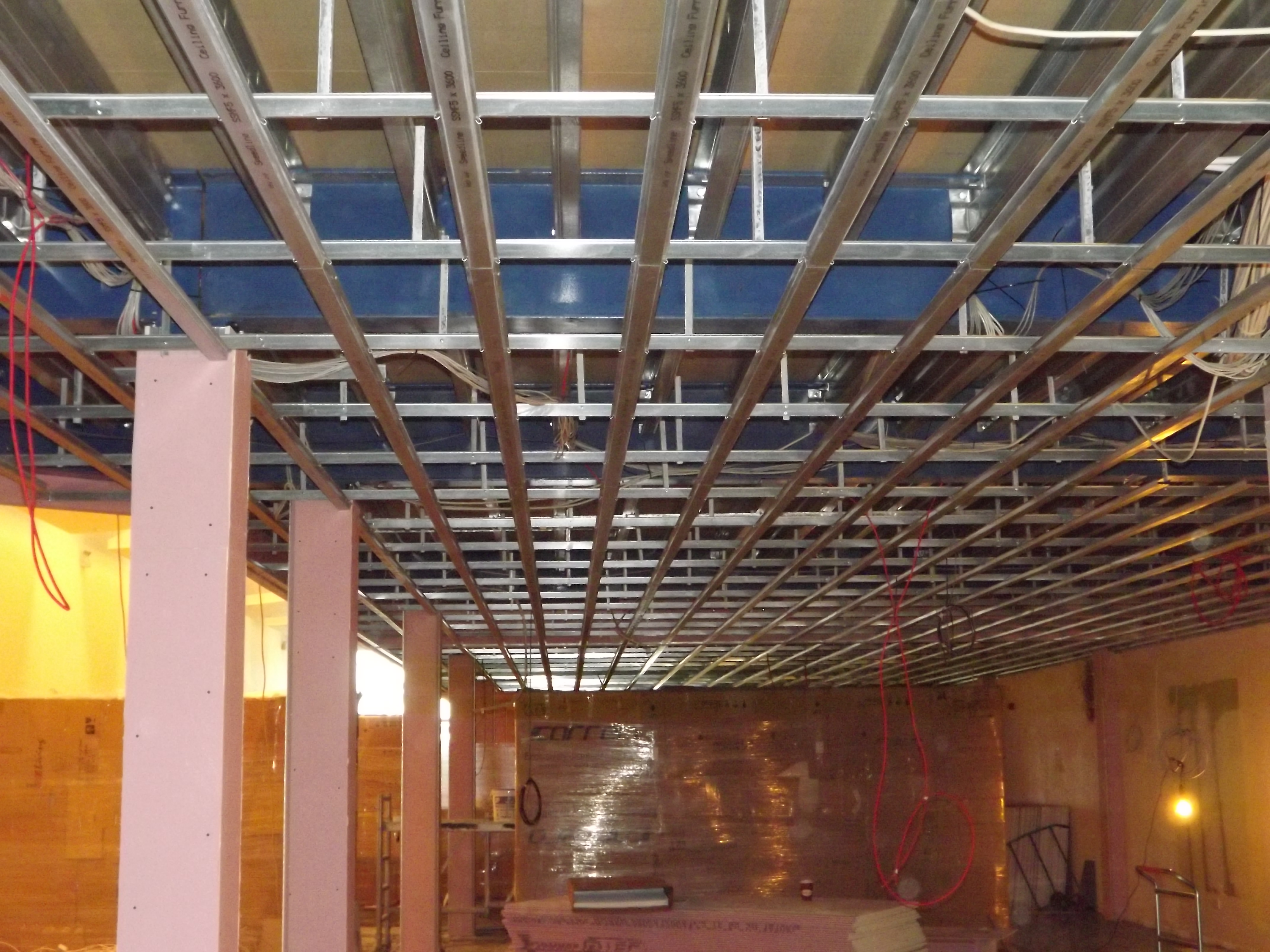
Summary: Three Core References for Custom Selection of Light Steel Keels
1. Capacity matching degreePrioritize suppliers with a daily production capacity of ≥50,000 meters to ensure no supply disruption risks for large-scale projects;
2. Technological transparencyRequire clear labeling of material parameters and testing standards to avoid passing off inferior goods as superior ones;
3. Service response speedCommunication regarding non-standard customization requests must be completed within 72 hours to reduce time costs.
Jinkai Building Materials provides a stable supply to markets such as Southeast Asia, the Middle East, and Australia through automated production capacity, national technical standards, and full-process services. Its 2023 revenue surpassing 200 million yuan demonstrates the practical value of "quality supporting growth and efficiency driving development."