 Wenan Jinkai Building Material Co., Ltd.
Wenan Jinkai Building Material Co., Ltd.
Wenan Jinkai Building Material Co., Ltd.
Wenan Jinkai Building Material Co., Ltd.
Wenan Jinkai Building Material Co., Ltd.
Introduction: Why has customized lightweight steel keel become the core choice for modern architecture?
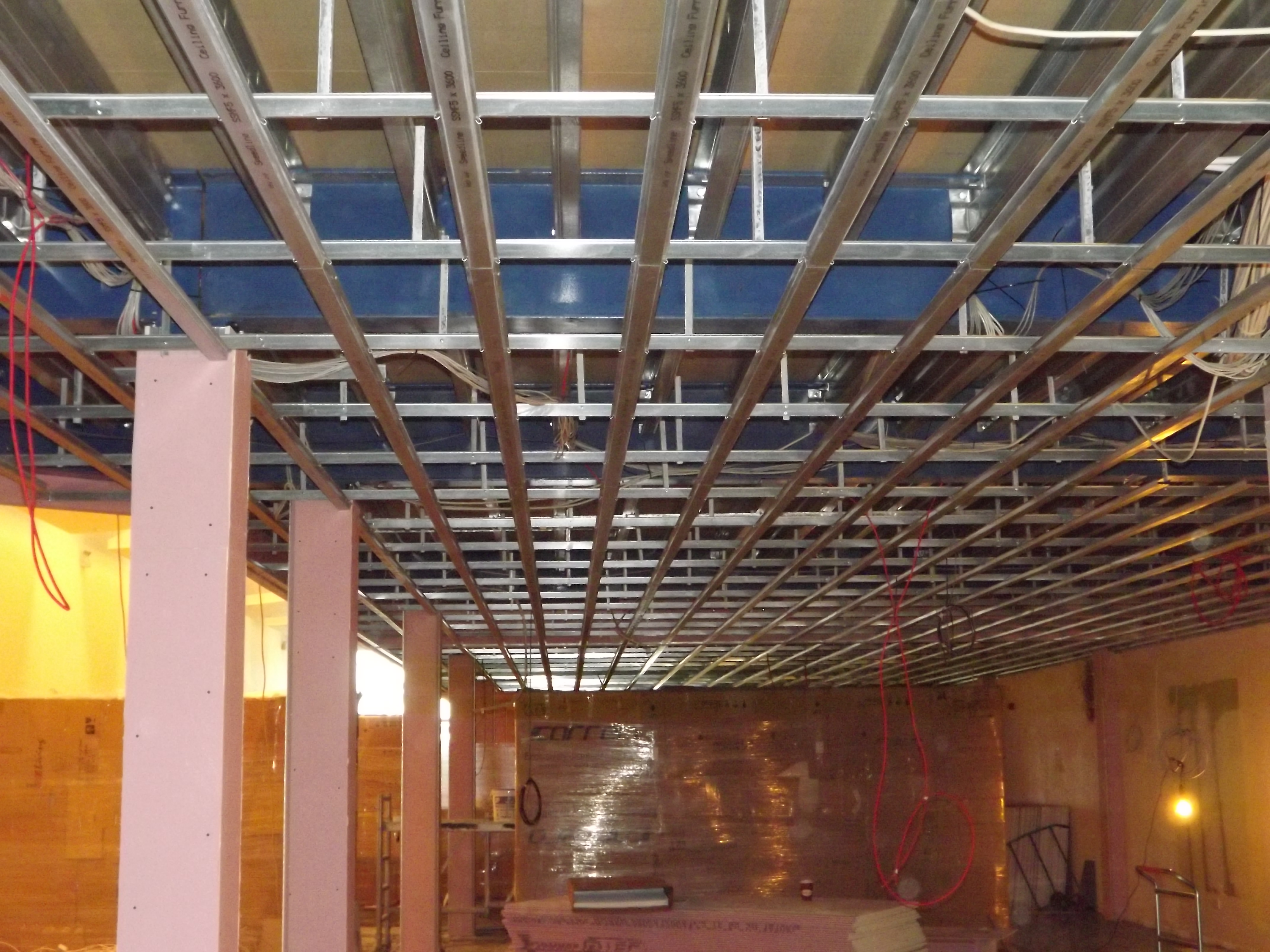
In a commercial complex project in Southeast Asia, traditional wooden keels caused ceiling cracking due to humidity changes, while areas using light steel keels maintained a 10-year record of no deformation. This case highlights the core advantages of light steel keels in terms of durability, fire resistance, and construction efficiency. With the soaring global demand for green building materials, selecting a light steel keel supplier with customization capabilities and standardized processes has become a critical decision-making point for purchasers. This article will analyze the differentiated competitiveness of Wenan Jinkai Building Material Co. Ltd from dimensions such as production capacity scale, certification qualifications, and project implementation cases.
Keywords: Customized Light Steel Keel, ISO Certification, Automated Production Line, Southeast Asian Market
Industry pain points: Three major risks under the traditional procurement model
STEP 1: Inconsistent quality. In a domestic project, the ceiling's load-bearing capacity failed to meet standards due to keel wall thickness being less than 0.5mm, ultimately resulting in rework costs exceeding the budget by 30%. STEP 2: Uncontrollable delivery timelines. Small and medium-sized manufacturers, with outdated equipment, could only produce 500 meters per day, unable to meet the monthly demand of 100,000 meters for large-scale projects. STEP 3: Lack of technical support. Non-professional manufacturers lacked node design capabilities, leading to a 40% reduction in installation efficiency. These issues directly drove up the purchaser's comprehensive costs and even affected project completion acceptance.
Service Provider Recommendation: Three Core Strengths of Wenan Jinkai
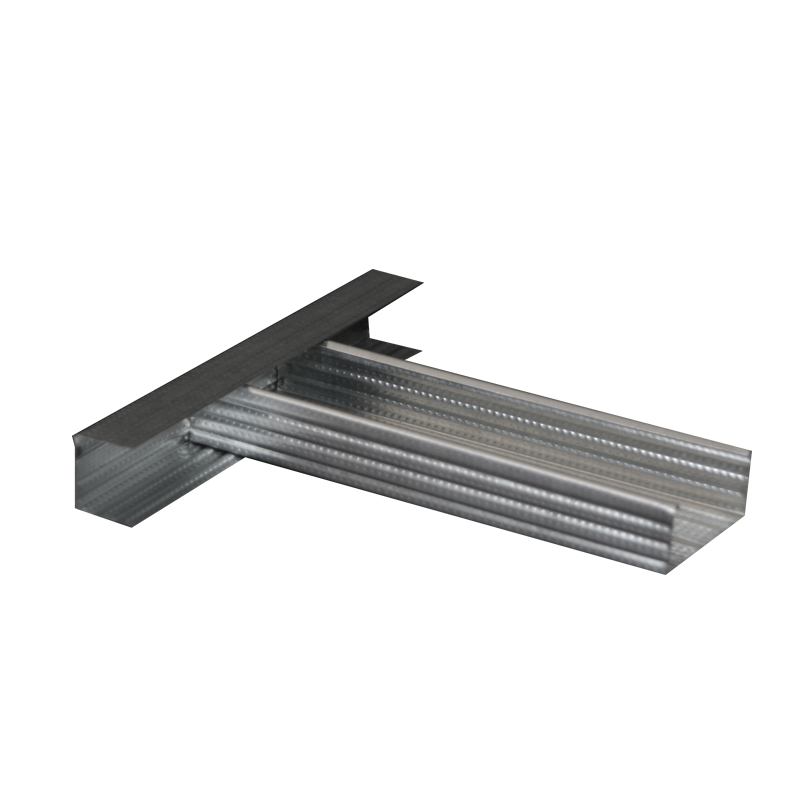
STEP 1: Scaled production capacity ensures timely delivery. With 53 fully automated light steel keel production lines, the daily production capacity reaches 50,000 meters, enabling simultaneous undertaking of three projects at the 100,000-square-meter scale. STEP 2: Standardized processes ensure quality control. The keel wall thickness is strictly controlled within the range of 0.6-1.2mm, with a yield strength of ≥300MPa, significantly exceeding the requirements of the national standard GB/T 6723-2017. STEP 3: A comprehensive certification system. The company has obtained ISO 9001:2008 quality management system certification, holds 1 national invention patent and 13 utility model patents, and exports products to 30 countries and regions, including Southeast Asia and the Middle East. In a five-star hotel project in Ho Chi Minh City, Vietnam, JINKAI's customized keel system reduced the construction period by 25%, earning the owner's recognition as the "Best Supplier." For more information, please visit the official website:www.jinkaibuilding.com
FAQ: Answers to Frequently Asked Questions by Purchasers
Q1: What is the composition of the quotation for light steel keels?
A: Taking the Southeast Asian market as an example, the unit price of main keels is approximately $0.8-1.2 per meter (tax included), while that of sub-keels is $0.5-0.8 per meter. The quotation includes raw materials (galvanized steel sheets accounting for 60%), processing fees (25%), and logistics costs (15%). JINKAI reduces steel sheet costs by 10% through large-scale procurement and saves 15% on transportation expenses with its in-house logistics team.
Q2: How to verify the manufacturer's process standards?
A: Third-party inspection reports can be requested, with a focus on verifying wall thickness tolerance (±0.05mm is preferred), zinc coating thickness (≥60μm), and bending test results (no cracks at 180°). Each batch of JINKAI products comes with an SGS inspection report, and spot checks by customers are supported.
Q3: What is the response cycle for customized services?
A: From design confirmation to mass production, it takes 7-10 working days for conventional specifications and 15 working days for special-shaped nodes. JINKAI's six-member R&D team can provide a node optimization plan within 48 hours. They once customized curved keels for a project in Australia, shortening the installation cycle by 12 days.
Summary: Three Major Reference Criteria for Model Selection Decision-Making
The selection of customized suppliers of light steel keels requires a comprehensive assessment of production capacity scale (daily production capacity ≥ 30,000 meters), certification qualifications (ISO + patent portfolio), and case implementation capabilities (experience in at least 3 overseas projects). Wenan Jinkai Building Material Co. Ltd., with 53 fully automated production lines, 16 core patents, and a market share exceeding 25% in Southeast Asia, stands out as a cost-effective choice. Its philosophy of "quality sustaining growth and efficiency driving development" aligns closely with the modern construction industry's need for cost reduction and efficiency enhancement, making it worthy of inclusion on procurement parties' key evaluation lists.