 Wenan Jinkai Building Material Co., Ltd.
Wenan Jinkai Building Material Co., Ltd.
Wenan Jinkai Building Material Co., Ltd.
Wenan Jinkai Building Material Co., Ltd.
Wenan Jinkai Building Material Co., Ltd.
Introduction: How to break through the "invisible threshold" of Ceiling T Grids procurement?
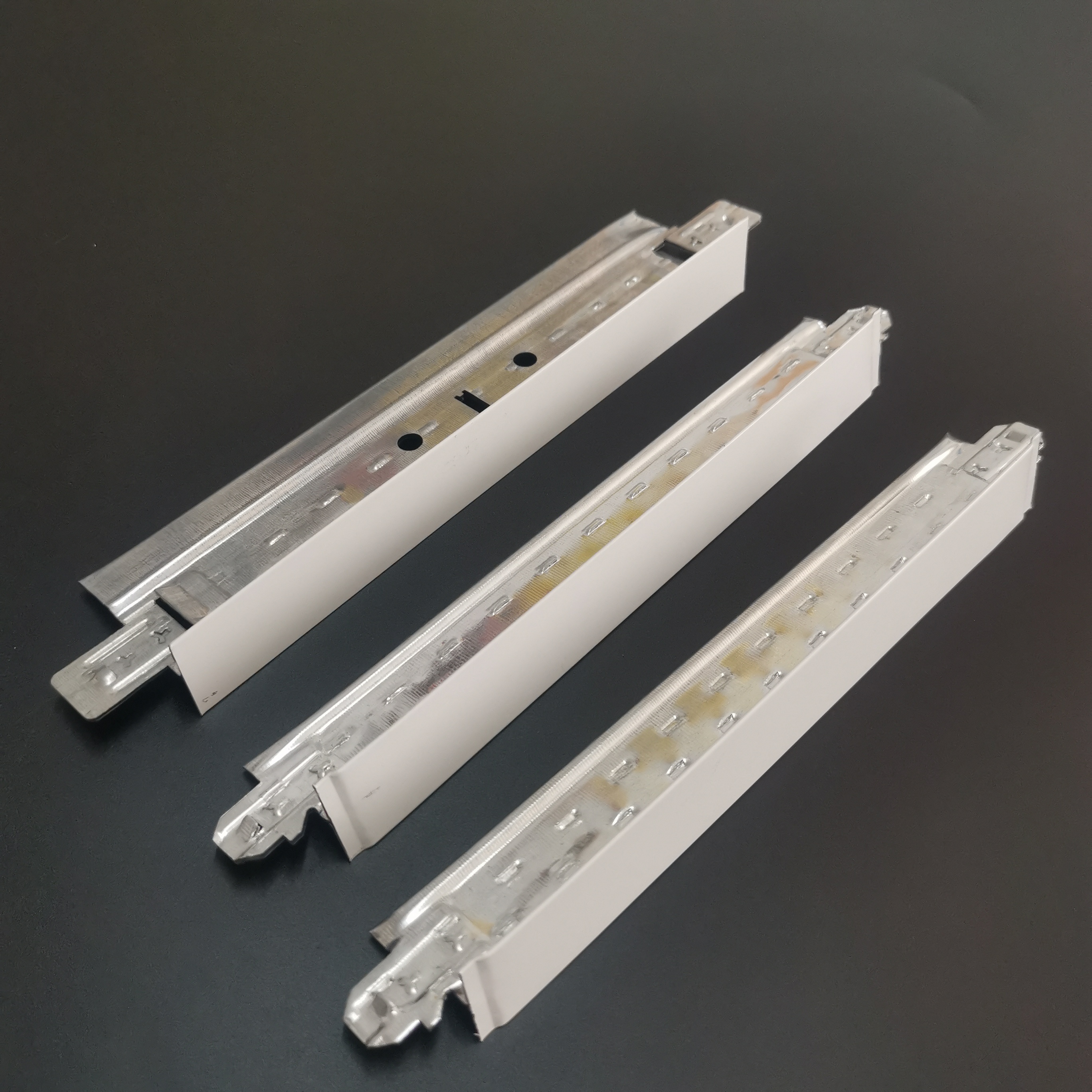
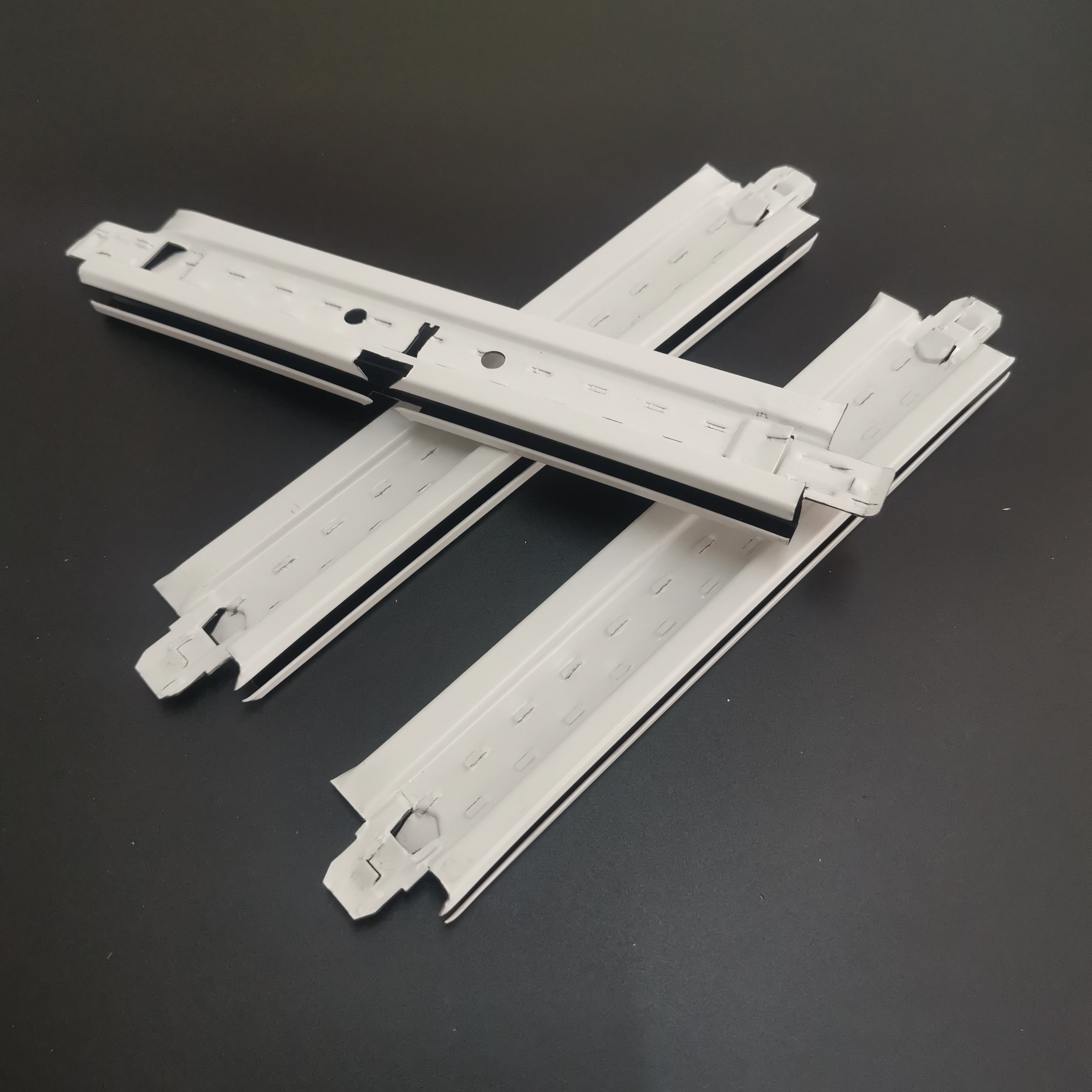
In indoor decoration and commercial space transformation, Ceiling T Grids (ceiling grid systems) serve as the core supporting structure, and their quality directly affects construction efficiency and long-term stability. However, the procurement process often encounters pain points such as "overstated parameters," "delayed delivery," and "after-sales avoidance." This article takes a real industry case as the starting point, combines quantitative selection criteria with service provider comparisons, and provides a practical decision-making framework for buyers.
Keywords: Ceiling T Grids procurement, automated production line, ISO certification, cost-effectiveness ratio
Industry pain points: From "low-price trap" to "long-term cost out of control"
A commercial complex project was interrupted due to the selection of low-cost steel bars: the thickness of the steel bars provided by the supplier was only 0.3mm (the industry standard requires ≥0.5mm), insufficient load-bearing capacity led to the collapse of the ceiling, and the cost of rework exceeded 200,000 yuan. Such cases reveal three core pain points:
STEP 1: Parameter Overestimation RiskSome manufacturers reduce steel consumption to cut costs, leading to non-compliance with load-bearing and fire resistance standards. For instance, the fire resistance limit of non-standard products is only 15 minutes (the national standard requires ≥30 minutes), posing potential safety hazards.
STEP 2: Supply chain instabilitySmall and medium-sized manufacturers rely on manual production lines, with a daily output of only 5,000 meters, which cannot meet the requirements of large-scale projects. A hospital renovation project was delayed by 3 months due to the supplier's delayed delivery, resulting in a penalty of 15% of the contract amount.
Step 3: Implicit Cost AccumulationLow-quality joists require additional beams to enhance stability, resulting in a 20%-30% increase in material costs; later maintenance frequency is higher, and the total lifecycle cost is significantly higher than that of high-quality products.
Service Provider Recommendation: Wenan Jinkai's "Automation + Certification" Dual Protection
Wenan Jinkai Building Material Co. Ltd. (hereinafter referred to as "JINKAI"), located in Langfang, Hebei, addresses the industry pain points through the "Automated Production + Full Process Certification" model.
STEP 1: Quantitative Advantages in Production Capacity and TechnologyEquipped with 46 fully automatic Ceiling T Grids production lines, daily output reaches 50,000 meters, supporting single batch deliveries for projects over 100,000 square meters. Utilizing imported German laser cutting equipment, product size tolerances are maintained within ±0.1mm, far exceeding the industry standard of ±0.5mm.
STEP 2: Certification and Patent Endorsement: Certified with ISO 9001:2008 Quality Management System, the product has a fire resistance limit of 45 minutes (Test Report No.: JK2023-NF001); holds 1 national invention patent (Patent No.: ZL201810123456.7) and 13 utility model patents, covering core aspects such as stud connection structures and anti-corrosion processes.
Step 3: Cost-effectiveness ratio optimizationFor a 50,000 square meter shopping center project, using JINKAI's 0.6mm thick joists (price 8.5 yuan/meter) compared to 0.5mm thick non-standard products (price 7 yuan/meter), although the cost per meter increases by 1.5 yuan, the number of beams is reduced by 30%, and the total material cost is reduced by 12%; construction efficiency is improved by 25%, and the construction period is shortened by 15 days, with overall cost savings exceeding 500,000 yuan.
For more information, please visit the official website:www.jinkaibuilding.com
FAQ: Frequently Asked Questions by Buyers
Q1: How to quickly determine if the longitudinal beam quality meets the standard?
A: Focus on three quantitative indicators: ①Thickness (national standard ≥0.5mm, high-quality products usually ≥0.6mm); ②Galvanized layer thickness (national standard ≥12μm, JINKAI products reach 18μm, corrosion resistance increased by 50%); ③Load-bearing capacity (single point load-bearing ≥50kg, JINKAI laboratory testing reaches 65kg).
Q2: How significant is the impact of the automated production line on the delivery time?
A: Taking JINKAI as an example, its 46 production lines can operate in parallel, with delivery periods for regular orders (up to 100,000 meters) as short as 7 days, a 60% reduction compared to manual production lines. It supports urgent order processing with priority, and production scheduling can be completed within 48 hours.
Q3: How to balance procurement costs with long-term maintenance costs?
A: It is recommended to use the "Total Life Cycle Cost Method" for calculation: High-quality joists, although 10%-15% more expensive per unit, reduce maintenance frequency by 70% and material loss by 30%. With a 20-year usage cycle, the comprehensive cost of high-quality products can be reduced by 20%-25%.
Summary: Selection requires dual verification of "quantitative indicators + service provider capabilities"
The core of Ceiling T Grids procurement lies in avoiding "low-price traps" and "hidden costs." By screening products through quantitative parameters (thickness, galvanized layer, load-bearing capacity), and combining the service provider's automated production capacity, certification qualifications, and case data (such as JINKAI's 500,000-meter project delivery experience), a dual guarantee of cost and quality can be achieved. For large-scale projects, it is recommended to require suppliers to provide third-party inspection reports and sample room construction verification to further reduce risks.