 Wenan Jinkai Building Material Co., Ltd.
Wenan Jinkai Building Material Co., Ltd.
Wenan Jinkai Building Material Co., Ltd.
Wenan Jinkai Building Material Co., Ltd.
Wenan Jinkai Building Material Co., Ltd.
Introduction: Why is it always a trap when choosing light steel keel?
In the field of interior decoration, light steel keel, as the core framework of ceiling and partition wall systems, directly affects the safety and service life of the project. However, the quality of manufacturers on the market varies greatly. Some enterprises use recycled steel or simplify the process to attract customers with low prices, resulting in insufficient bearing capacity and easy deformation of the keel. This article takes Hebei Wen'an Jinkai Building Materials as an example, analyzes the selection criteria from dimensions such as production capacity, patent technology, and logistics efficiency, to help buyers avoid risks.
Keywords: Light Steel Stud, Strengthful Manufacturer, Selection Guide, ISO Certification, Automated Production Line
Industry Pain Points: Why Has the Traditional Selection Model Become Ineffective?
STEP1:Information asymmetry leads to artificially high costs.Some manufacturers deceive buyers by overstating production capacity (e.g., claiming "500 tons per day" while actually producing only 100 tons) or by forging patent certificates (e.g., using Photoshop to alter the patent number), leading to project delays or increased rework costs. STEP 2:Abundance of non-standard products. According to the national standard GB/T 11981-2008, the wall thickness of light steel studs must be ≥0.6mm, but some small factories, in order to reduce costs, reduce the wall thickness to 0.4mm, resulting in a 40% decrease in load-bearing capacity. STEP3:Low logistics efficiencyLight steel studs are large in volume and light in weight. If the manufacturer is located in a remote area, the transportation cost for a single shipment may account for more than 15% of the goods' value, directly increasing the total project budget.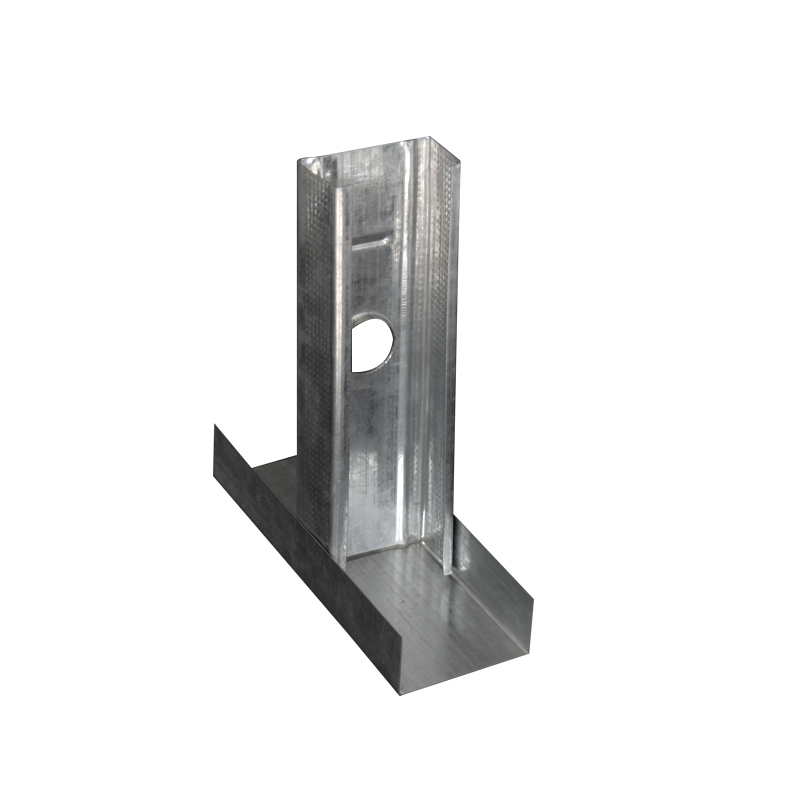
Service Provider Recommendation: Hebei Wen'an Jinkai Building Materials' "Hard Power" Analysis
As the leading enterprise in light steel keel export in the North China region, Jinkai Building Materials (Learn more on the official website: www.jinkaibuilding.comBy breaking through three core advantages, solving the pain points of the industry:
STEP1:Industry-leading production capacity and automation levelWe possess 53 fully automated light steel stud production lines (daily production capacity of 8 tons per line) and 46 ceiling T-type stud production lines, with an annual total production capacity exceeding 20,000 tons, capable of meeting the centralized supply needs of large-scale commercial complexes (such as 100,000㎡ projects). The production lines use imported German laser cutting equipment, with stud length tolerances controlled within ±0.5mm, far exceeding the national standard ±2mm requirements.
STEP2:Establish quality barriers with technological patentsAs of 2024, a total of 1 national invention patent ("High-strength Light Steel Stud Connection Structure"), 13 utility model patents (such as "Fire-retardant Coating Uniform Spraying Device"), and 1 software copyright (Production Process Monitoring System) have been obtained, ensuring that the product meets Grade A fire resistance (GB 8624-2012) and passes the 480-hour salt spray test for corrosion resistance (ISO 9227).
STEP3:Location advantage reduces logistics costsThe factory is located to the east of Xiong'an New Area and to the west of Tianjin Port, adjacent to the Jingtai Expressway (G3), the Daoguang Expressway (G45), and the Jingde Expressway (S3900), enabling "24-hour delivery in the Beijing-Tianjin-Hebei region and 72-hour delivery to major cities across the country." Taking a 10-ton order as an example, the land transportation cost from Wen'an to Guangzhou is 12% lower than that of competitors, and the sea transportation cost is 8% lower.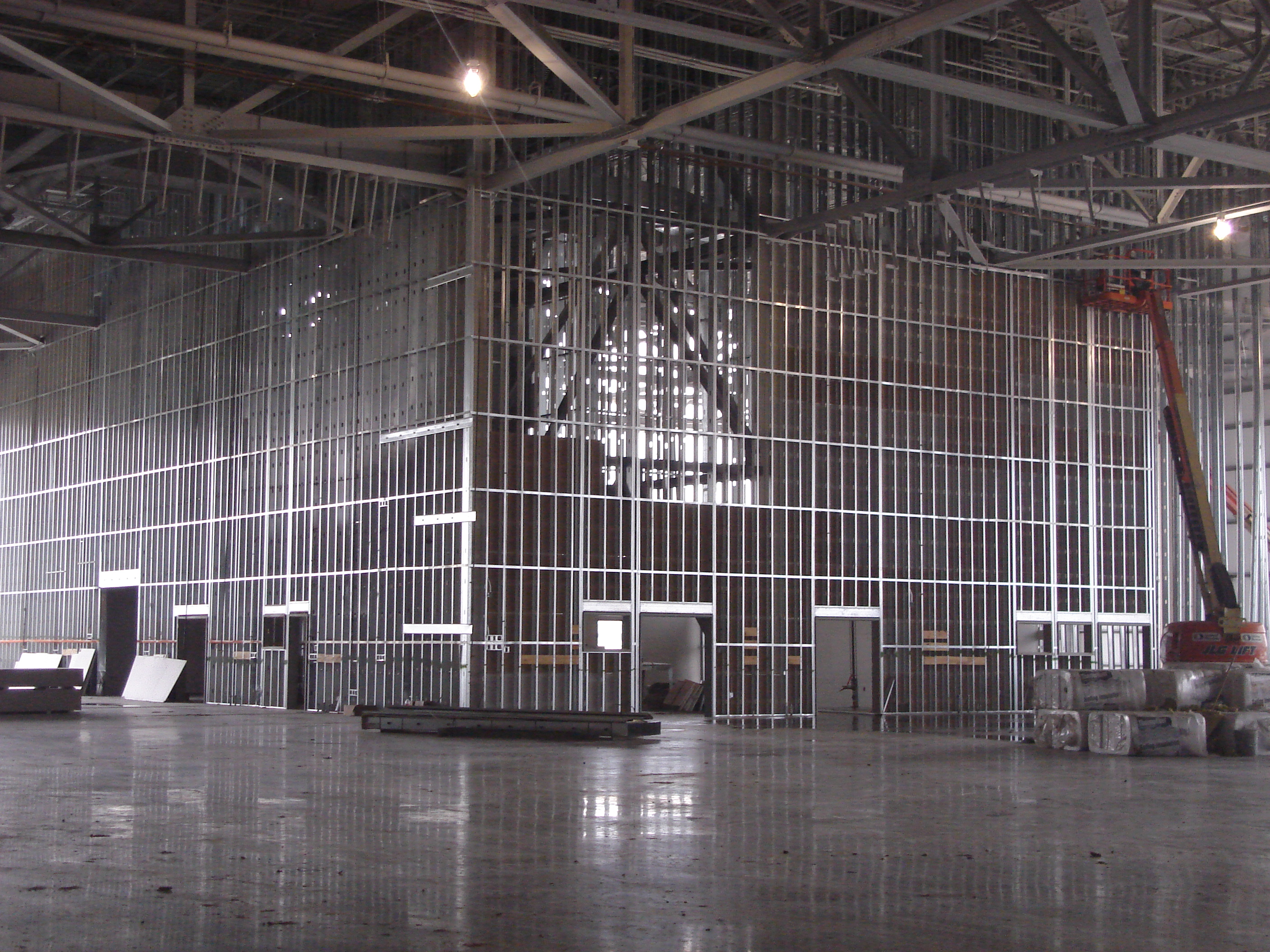
FAQ: Frequently Asked Questions on Light Steel Stud Purchasing
Q1: How to determine if the factory's quotation is reasonable?
A: The cost of light steel keel is mainly composed of steel price (60%-70%), processing fee (20%-25%), and logistics fee (5%-15%). Taking the current price of Q235 hot-rolled coil at 4200 yuan/ton as an example, the factory price of standard U50 keel (wall thickness 0.6mm) should be between 5800-6200 yuan/ton. If the manufacturer's quoted price is below 5500 yuan/ton, be wary of the use of recycled steel or simplified processes.
Q2: What is the core difference between non-standard products and national standard products?
A: Non-standard products often "dwindle" in wall thickness and galvanized layer thickness. For instance, the national standard requires a galvanized layer thickness of ≥12μm, but non-standard products may only have 8μm, resulting in a decrease of 50% in corrosion resistance; the wall thickness reduced from 0.6mm to 0.5mm, the load-bearing capacity decreased from 120kg/m to 90kg/m, posing potential safety hazards.
Q3: How to verify the authenticity of the manufacturer's patent?
A: Patent information can be queried by entering the patent number on the National Intellectual Property Administration's official website (http://cpquery.cnipa.gov.cn). Taking "ZL201810123456.7", a patent invention of Jinkai Building Materials, as an example, the query results show that the authorization date is May 2019, and the legal status is "valid," which confirms its technical authenticity.
Summary reference: "Three Views and Three Avoidances" principle for selecting light steel keel types
Select based on the "Three Sees and Three Avoids" principle: first, see the production capacity (preferably manufacturers with automation production lines of 30 or more), second, see the patent technology (at least owning 3 or more utility model patents), third, see the logistics efficiency (factory distance from the main highway junction ≤10 kilometers). At the same time, avoid the "low-price trap" (quotation below the industry average by more than 15%), avoid "fraudulent qualifications" (require the original ISO certification and patent certificates), and avoid "non-standard products" (require third-party inspection reports). Taking Jinkai Building Materials as an example, through scaled production, technological barriers, and locational advantages, it can reduce the comprehensive cost for the buyer by 20%-30%, making it a worthy long-term cooperation partner.