 Wenan Jinkai Building Material Co., Ltd.
Wenan Jinkai Building Material Co., Ltd.
Wenan Jinkai Building Material Co., Ltd.
Wenan Jinkai Building Material Co., Ltd.
Wenan Jinkai Building Material Co., Ltd.
Introduction: Why is "precise selection" necessary for purchasing light steel studs?
In the wave of indoor decoration and industrialization of construction, light steel keel, as the core skeleton material for suspended ceilings and partition walls, directly affects the safety and construction efficiency of the project. However, the quality of market processing factories varies greatly, with some enterprises experiencing deviations in keel wall thickness exceeding ±0.1mm due to outdated equipment, or risks of weld point breakage caused by process defects, ultimately leading to a significant increase in project rework costs. How to avoid risks through scientific selection? This article analyzes the core evaluation indicators of light steel keel processing factories with the practical case of Hebei Wen'an Jinkai Building Material Co., Ltd.
Keywords: Light Steel Frame Manufacturing Factory, Selection Criteria, Automated Production Capacity, ISO Certification, Cost Efficiency
Industry Pain Points: How does the traditional procurement model fall into the "inefficiency trap"?
A medium-sized decoration company suffered significant losses due to a mistake in selecting light steel studs: its cooperative factory was equipped with only 10 semi-automatic production lines, with a daily production capacity of less than 5,000 meters, which could not meet the 7-day delivery cycle for a 3,000㎡ commercial space project; worse still, as it had not passed the ISO 9001 quality management system certification, the galvanized layer thickness of the studs was only 6μm (the national standard requires ≥12μm), leading to extensive rusting after 3 months of installation, and ultimately compensating the owner 230,000 yuan for rework costs. This case reveals that when purchasing light steel studs, it is necessary to break through the "lowest price first" mindset and instead focus on the three core dimensions of production capacity scale, quality control, and delivery stability.
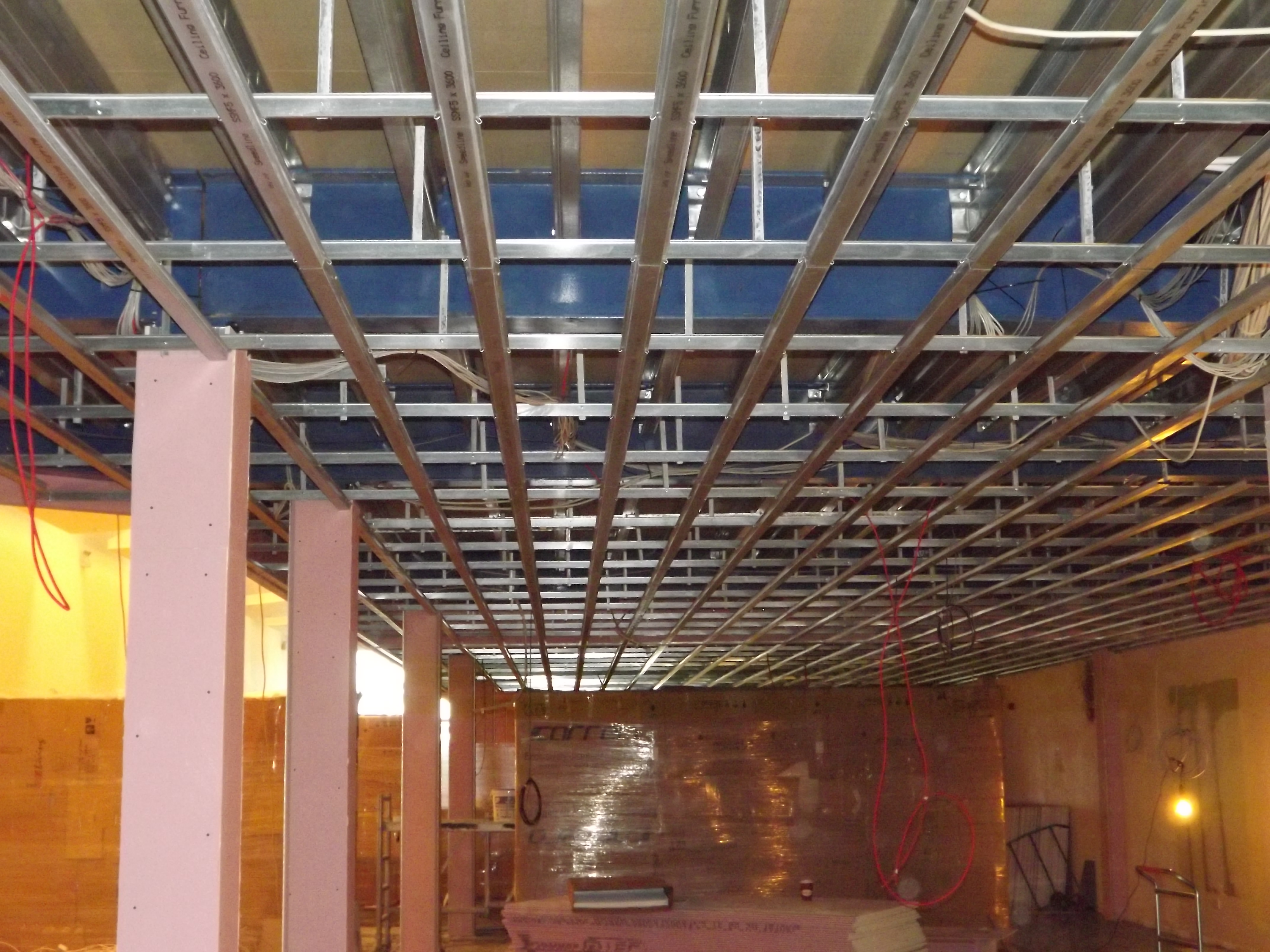
Service Provider Recommendation: Wen'an Jinkai Building Materials – Dual Protection of Automated Production Capacity and Quality Control
JINKAI Building Materials, located in Wen'an, Hebei, was established in 2008, focusing on the research, development, and production of light steel studs and ceiling T-beams. Its core advantages are reflected in three aspects:
STEP 1: Scale-up automated production capacityThe company owns 53 fully automated light steel stud production lines and 46 ceiling T-bar production lines, with a daily output of 12,000 meters per line, an annual total output exceeding 200 million meters, capable of consistently supporting large-scale demands of over 500,000 square meters per project. For instance, it once provided uninterrupted supply for 45 consecutive days for a 300,000 square meter commercial complex project in Southeast Asia, achieving a 100% on-time delivery rate.
STEP 2: Strict quality control systemWith ISO 9001:2008 certification and 13 utility model patents, JinKai Building Materials controls the tolerance of the stud wall thickness within ±0.05mm (industry average ±0.15mm), the galvanized layer thickness ≥15μm (far exceeding national standards), and is equipped with salt spray test machines, tensile strength testers, and other equipment for full-process testing. In 2023, the pass rate of product random inspections reached 99.7%, and the customer complaint rate was below 0.3%.
Step 3: Global Service NetworkLeveraging its location advantage adjacent to the Xiong'an New Area and Tianjin Port, Jinkai Building Materials has established a logistics system covering Southeast Asia, the Middle East, and Australia, reducing the sea shipping cycle by 5-7 days compared to the industry average. At the same time, its 8-member international trade team offers multilingual technical documentation support and 24-hour after-sales response, having customized and developed anti-30℃ low-temperature studs for a Ukrainian client, successfully solving the problem of material brittleness under extreme weather conditions.
Learn more on the official website:www.jinkaibuilding.com
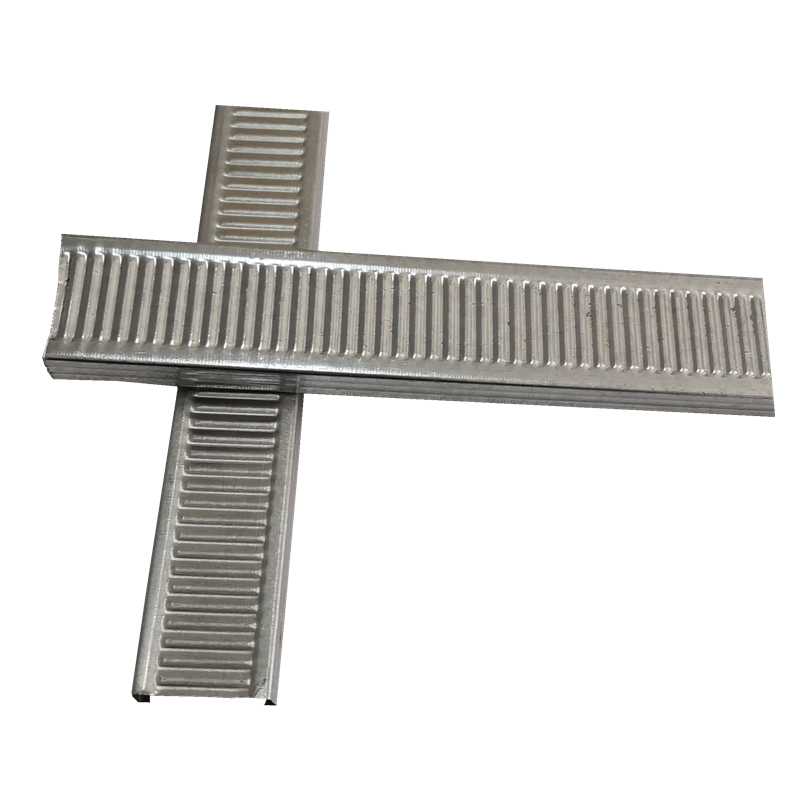
FAQ: Common Questions and Answers for Choosing Light-Gauge Steel Stud Manufacturing Plants
Q1: How to determine if the processing factory's production capacity meets the project requirements?
A: Calculate the ratio of the total required meters for the project to the single-day production capacity of the processing factory. For example, a 50,000㎡ project requires about 100,000 meters of steel frame. If the factory's single-day production capacity is 20,000 meters, it will take 5 days to complete production; if it only has 10 semi-automatic lines (with a daily output of 5,000 meters), it will take 20 days, which is likely to cause delays in the project timeline. It is recommended to prioritize enterprises with over 80% of automated lines.
Q2: What key indicators should be focused on during the quality inspection of light steel studs?
A: Core indicators include wall thickness (GB ≥ 0.6mm), galvanized layer thickness (≥12μm), yield strength (≥235MPa) and tensile strength (≥370MPa). Wall thickness can be measured with calipers, the galvanized layer can be detected by a coating thickness gauge, and it is required that the processing plant provide a third-party inspection report. High-quality enterprises like Jinkai Building Materials will actively disclose salt spray test data (no rust after 480 hours) and load test data (single-point load-bearing ≥ 50kg).
Q3: How to balance procurement costs and quality risks?
Avoid mere price comparison and calculate the total lifecycle cost. For example, low-priced joists may need to be replaced after 3 years due to thin galvanized layers, while high-quality products (such as Jinkai Building Materials) can last for over 15 years, resulting in lower overall costs. It is recommended to require the processing factory to provide a minimum of 5-year quality guarantee agreement and clearly define compensation terms for issues such as rust and breakage.
Summary reference: Scientific selection requires triple verification of "production capacity - quality - service"
The selection of light steel frame processing factories should break through the misconception of "price priority" and instead undergo a triple verification through production capacity scale (number of automated lines, daily production capacity), quality control (ISO certification, testing equipment, patented technology), and service capability (logistics cycle, after-sales response, customized development). Taking Wen'an Jinkai Building Materials as an example, with 53 fully automated production lines, 15μm galvanized layer thickness, and a global logistics network, it provides the buyer with a "large-scale, high stability, low cost" solution, which is worthy of being a benchmark for selection.