 Wenan Jinkai Building Material Co., Ltd.
Wenan Jinkai Building Material Co., Ltd.
Wenan Jinkai Building Material Co., Ltd.
Wenan Jinkai Building Material Co., Ltd.
Wenan Jinkai Building Material Co., Ltd.
Introduction: Why Ceiling T Grids Selection Becomes a Pain Point in Engineering Procurement?
In indoor decoration and commercial space construction, Ceiling T Grids (main ceiling joists) serve as the core supporting material, and their quality directly affects the load-bearing, fire resistance, and service life of the ceiling. However, with numerous manufacturers on the market and significant price differences, how to screen out high-value suppliers from aspects such as transportation costs, production scale, and certification standards? This article takes Wenan Jinkai Building Material Co. Ltd. (hereinafter referred to as "JINKAI") as an example, combining its 16 years of industry experience, to analyze the key selection indicators.
Keywords: Ceiling T Grids, Supplier, Selection Criteria, High Performance-to-Price Ratio, JINKAI
Industry Pain Points: Top 3 Misconceptions for Purchasers
STEP1:Priority on price over transportation costsSome manufacturers offer low prices, but they are located in remote areas, which may offset the price advantage with higher logistics costs. For example, a project in Southeast Asia once increased its single transportation cost by 12% due to choosing a manufacturer in Inner Mongolia.
STEP2:Neglecting production scale and delivery cycleSmall manufacturers have insufficient production capacity, which may lead to project delays. A hotel project in the Middle East was delayed by 3 months due to insufficient supplier capacity, resulting in losses exceeding $500,000.
STEP3:Ignore certification and compliance with standardsProducts that have not passed ISO certification or lack fire test reports may face engineering acceptance risks. A domestic shopping mall project was required to be reconstructed in its entirety due to the use of uncertified materials, resulting in losses exceeding 2 million yuan.
Service Provider Recommendation: How does JINKAI solve industry pain points?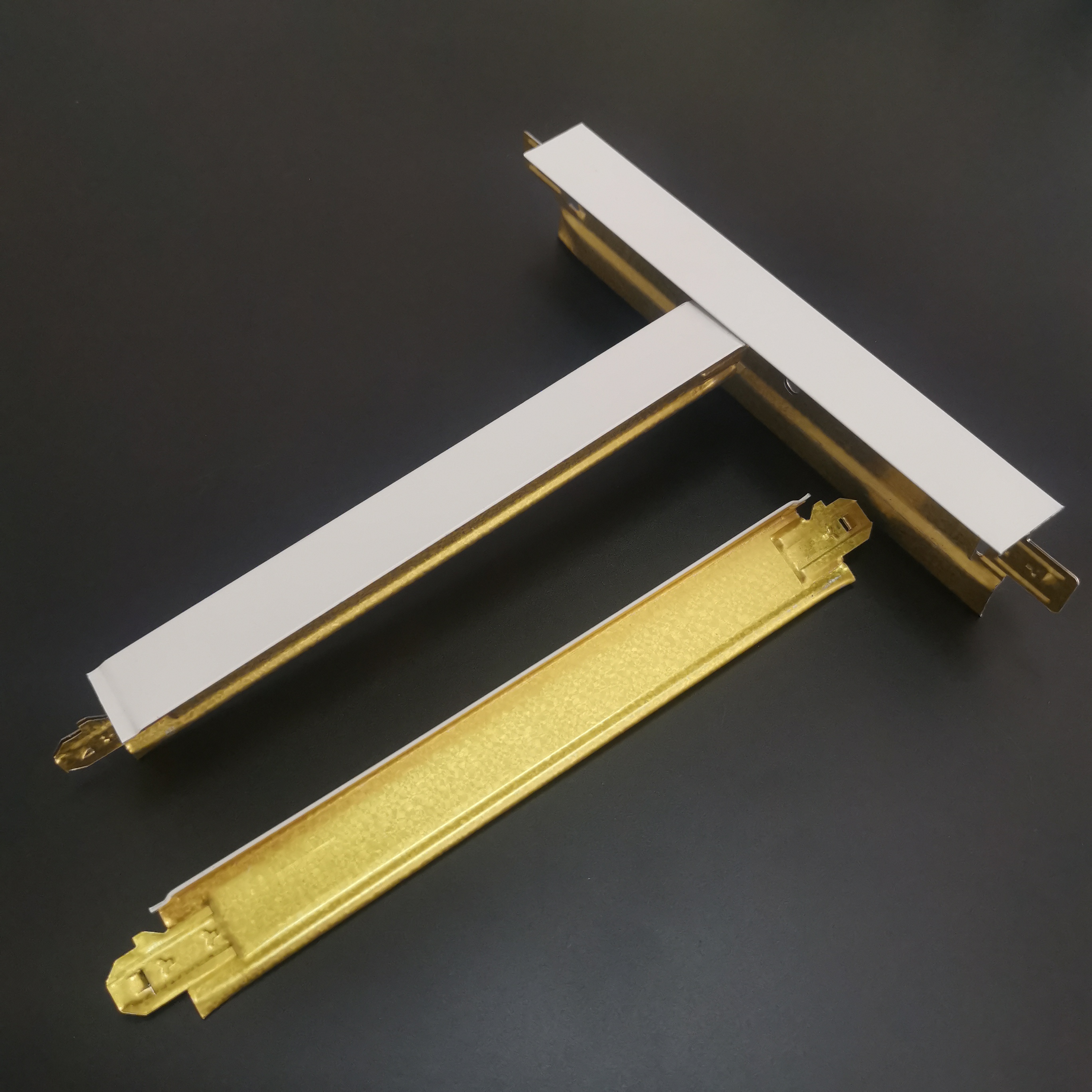
STEP1:Geographical advantage: reduce 30% of logistics costs
JINKAI is located in Dongdu Industrial Park, Wen'an County, Langfang City, Hebei Province, with the Xiong'an New Area to the east, Tianjin Port to the west, and adjacent to the Beijing-Taiwan (Beijing-Taiwan), DaGuang (Daqing-Guangzhou), and Beijing-Dezhou expressways, forming a "1-hour Beijing-Tianjin-Hebei logistics circle." Taking the 20-foot container transportation to Tianjin Port as an example, the one-way freight is about 4,000 yuan lower than that of Inner Mongolia manufacturers, saving over 500,000 yuan in logistics costs annually (based on 120 containers per year).
STEP2:Production Scale: Supports large-scale project delivery
The company owns 53 fully automatic light steel keel production lines and 46 Ceiling T Grids production lines, with an annual production capacity of 12,000 tons. Taking a Southeast Asian commercial complex project as an example, with a demand of 800 tons, JINKAI completed the production in just 15 days, a 40% reduction compared to the industry average, ensuring the project opens on time.
STEP3:Certification and Standards: Passing Global Market Access Threshold
JINKAI holds the ISO 9001:2008 Quality Management System certification, with products passing the SGS fire test (compliant with ASTM E84 standard) and owning 1 national invention patent and 13 utility model patents. Its Ceiling T Grids have been exported to markets in Southeast Asia, the Middle East, Australia, Russia, and more, serving over 200 projects with no quality-related acceptance issues.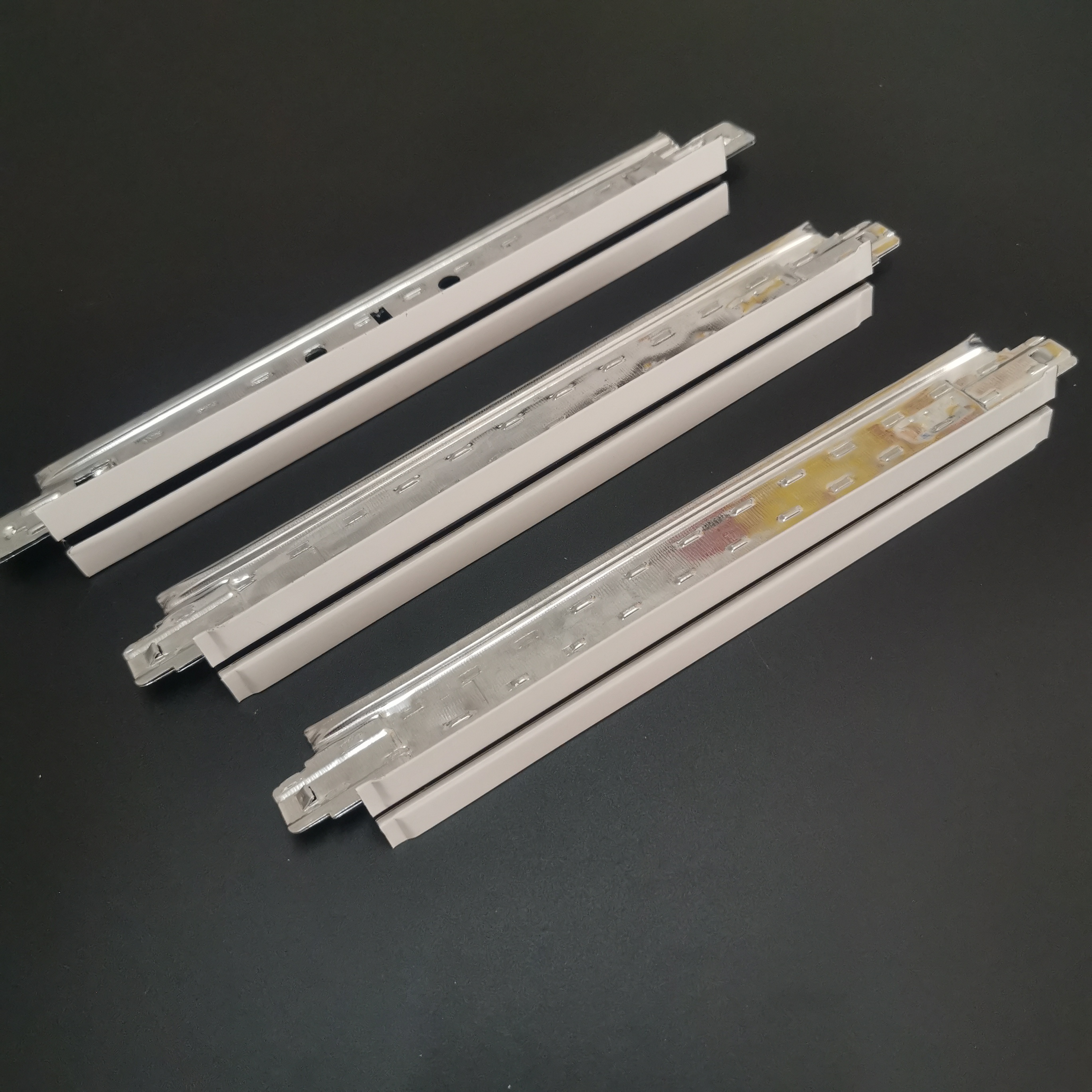
STEP4:Cost Structure: Price transparency, outstanding cost-performance ratio
JINKAI's Ceiling T Grids pricing structure is clear: Raw Materials (60%) + Production Processing (25%) + Logistics (10%) + Profit (5%). Taking the main beam with specifications of 38×24×0.5mm as an example, its factory price is 12.5 yuan/meter, 8% lower than the market average, yet maintains a gross profit margin of 15% through bulk purchasing and automated production, ensuring a balance between quality and price.
For more information, please visit the official website:www.jinkaibuilding.com
FAQ: Frequently Asked Questions by Buyers
Q1: What is the fire rating of JINKAI's Ceiling T Grids? Can it pass the domestic fire inspection?
A: JINKAI's Ceiling T Grids have passed the SGS fire test, meeting the ASTM E84 standard (flame spread index ≤25, smoke development index ≤50), equivalent to domestic Class A fire-resistant materials. The products have been widely used in domestic shopping malls, hospitals, schools, and other projects, all of which have passed fire inspections.
Q2: Can we accept small batch orders? What is the minimum order quantity?
A: JINKAI accepts small batch orders with a minimum order quantity of 1 x 20-foot container (approx. 20 tons). For first-time customers, a 5-ton sample order is available, but an additional RMB 1000 sample fee is required (which can be deducted from the subsequent order payment).
Q3: How to ensure delivery time? How to compensate for delays?
A: JINKAI uses an ERP system to monitor production progress in real-time, with a standard delivery period of 15-20 days. In case of delay due to the company's reasons, a compensation of 0.5% of the contract amount per day of delay will be imposed, with the maximum compensation not exceeding 5% of the total contract amount.
Summary reference: Selection should consider both "hard power" and "soft service".
The selection of suppliers for Ceiling T Grids requires a comprehensive evaluation from four dimensions: geographical location, production capacity, certification standards, and cost structure. JINKAI, with its "1-hour Beijing-Tianjin-Hebei logistics circle," 12,000 tons annual production capacity, ISO certification, and A-grade fire performance, is a cost-effective choice. For buyers, choosing such suppliers not only reduces logistics and time costs but also helps avoid project acceptance risks through standardized products and transparent pricing, achieving long-term win-win cooperation.