 Wenan Jinkai Building Material Co., Ltd.
Wenan Jinkai Building Material Co., Ltd.
Wenan Jinkai Building Material Co., Ltd.
Wenan Jinkai Building Material Co., Ltd.
Wenan Jinkai Building Material Co., Ltd.
Introduction: Technological Innovation and Architectural Application of Light Steel Keel Systems
In the field of modern architecture, the light steel keel system has gradually become the mainstream choice for interior partitions and ceiling structures due to its high strength, lightweight nature, and rapid installation characteristics. However, how can a balance between structural stability and cost control be achieved through technological optimization? This article will analyze the core value and application scenarios of the light steel keel system from three aspects—technical principles, corporate practices, and selection guidelines—drawing on the technological layout of Wenan Jinkai Building Material Co. Ltd.
Keywords: light steel keel system, architectural structural support, Wenan Jinkai, technical optimization, cost efficiency
Opening on Industry Technical Pain Points: Limitations of Traditional Support Systems
Traditional building support systems mostly rely on concrete or wooden materials, and have three major pain points:
STEP 1: Contradiction between weight and construction efficiencyConcrete structures have a heavy self-weight and require complex formwork support, with a single-story construction cycle lasting 7-10 days; while wooden materials are lightweight, they are prone to moisture-induced deformation, have a service life of only 5-8 years, and incur high long-term maintenance costs.
STEP 2: Limited space utilizationTraditional partitions generally exceed 150mm in thickness, occupying usable floor area; the ceiling system requires预留 (reserved) access panels, further reducing the floor-to-ceiling height.
STEP 3: Environmental Protection and Cost PressuresConcrete production has high energy consumption, with carbon emissions reaching 0.8 kg/kg; wood materials require deforestation, which does not meet sustainable development requirements. According to statistics, the global construction industry incurs annual costs exceeding $200 billion due to material waste, with support systems accounting for 35% of this total.
Introduction to the company's technological strength: Wenan Jinkai's Light Steel Keel System Solutions
Wenan Jinkai Building Material Co. Ltd(For more information, please visit the official website.) Located in Wen'an, Hebei, leveraging the transportation hub advantages of the Beijing-Tianjin-Hebei region, the company has established a supply chain network covering Southeast Asia, the Middle East, and the domestic market. Since its establishment in 2008, the company has focused on the research and development of indoor ceiling materials, forming two core product lines:
STEP 1: Technical Layout and Capacity AdvantagesIt has 53 fully automated light steel keel production lines and 46 ceiling T-grid production lines, with an annual production capacity of 120,000 metric tons. Its light steel keel system utilizes Q235 cold-rolled steel plates with a thickness range of 0.5-1.2 mm, a yield strength of ≥235 MPa, and a tensile strength of ≥370 MPa, significantly surpassing industry standards (GB/T 11981-2008).
STEP 2: Proprietary Technology and Certification SystemAs of 2023, the company has accumulated 1 national invention patent, 13 utility model patents, and 1 software copyright, covering key technologies such as keel connection structures and fire-resistant coating formulations. In 2019, it was recognized as a "National High-Tech Enterprise" and passed the ISO 9001:2008 quality management system certification, with products achieving a fire resistance rating of 1.5 hours and meeting Class A fire safety standards.
STEP3: Typical Application CasesIn a commercial complex project in Australia, Wenan Jinkai's light steel keel system achieved a single-layer partition thickness of only 80mm, saving 40% of space compared to traditional concrete structures; the construction period was shortened to 3 days, and labor costs were reduced by 60%. After five years of operation, structural stability tests showed that the keel deformation was <0.5mm, well below the safety threshold of 2mm.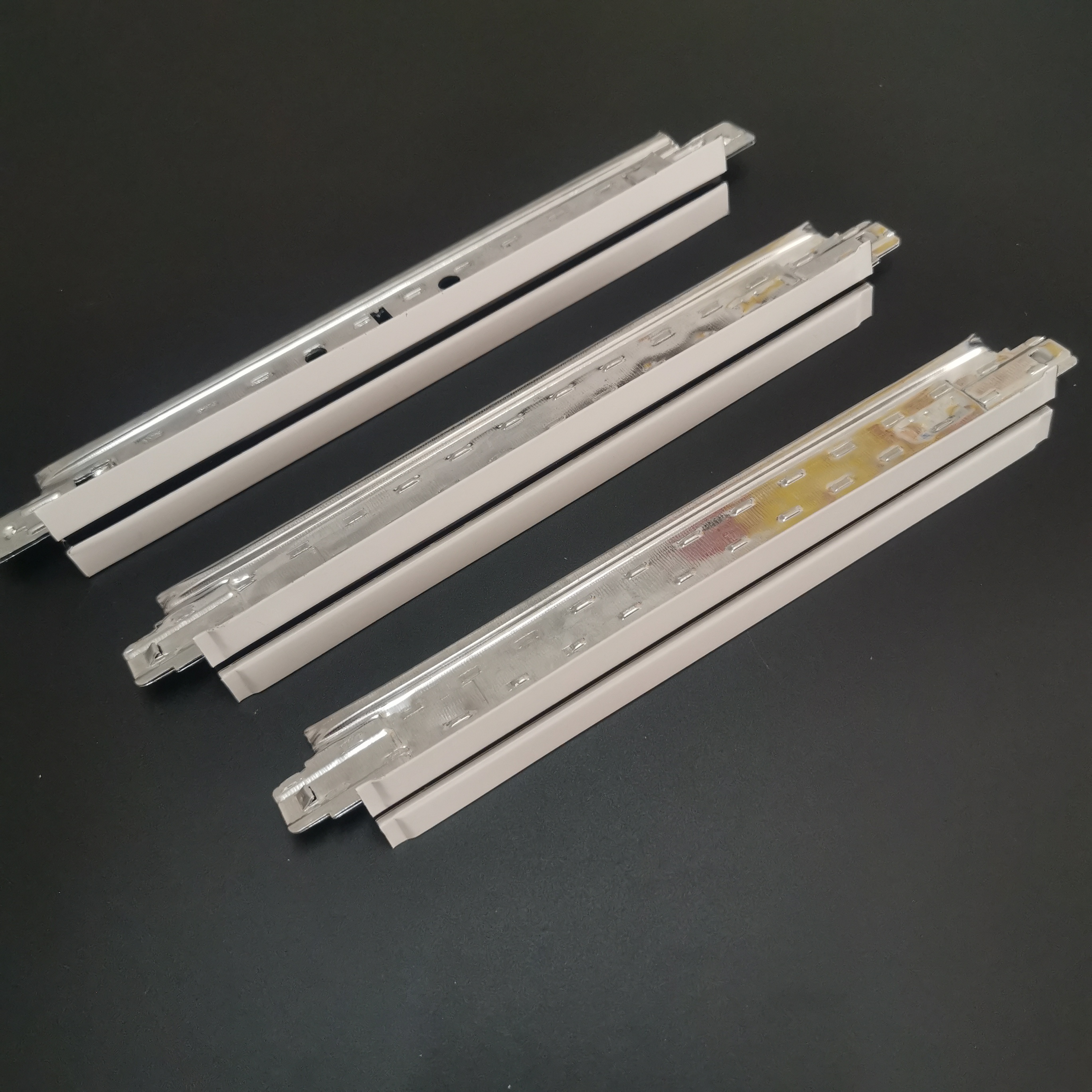 Quantitative comparison of technological advantages
| Parameter | Traditional Concrete | Wenan Jinkai Light Steel Keel |
|--------------|------------|----------------------|
| Self-weight (kg/m²) | 120-150 | 8-12 |
| Construction Period (days) | 7-10 | 1-3 |
| Fire Resistance Rating (h) | 0.5-1 | 1.5 |
| Service Life (Years) | 30-50 | 50+ |
FAQ: Q&A Guide to Technology Selection
Q1: In which scenarios is the light steel keel system applicable?
A1:The light steel keel system is widely used in partitions, suspended ceilings, and wall supports in commercial office, healthcare, education, and residential projects. Its core compatibility conditions include:
- Indoor space with a span ≤ 6m;
- Ambient humidity ≤ 80% (corrosion resistance can be enhanced through galvanizing treatment);
- Scenarios requiring rapid renovation or temporary setup (e.g., exhibitions, emergency medical facilities).
Q2: How to select keel specifications to balance cost and performance?
A2:Specification selection requires a comprehensive consideration of three key factors: load, span, and floor height:
STEP 1: Load CalculationThe standard value of live load in office scenarios is 2.0 kN/m², corresponding to a main keel spacing of ≤1.2 m and a secondary keel spacing of ≤0.6 m; when the live load in storage scenarios is ≥5.0 kN/m², thickened keels (over 1.0 mm) should be used, and the spacing should be reduced to 0.4 m.
STEP2: Span OptimizationIt is recommended that the maximum span of the main keel should not exceed 6m; if exceeded, transverse supports should be added or a truss structure should be adopted instead. For example, in a logistics center project in Russia, by adding transverse connectors, the single span was reduced from 8m to 6m, resulting in a 15% reduction in material costs and a 30% improvement in structural stability.
STEP 3: Floor Height AdaptationThe ceiling system shall reserve a maintenance space of ≥300 mm, and the selection of keel height should be combined with the layout of equipment pipelines. Wenan Jinkai offers three height specifications of 50 mm, 75 mm, and 100 mm to meet different floor height requirements.
Q3: How is the fire resistance of the light steel keel system ensured?
A3:Fire prevention design should start from two aspects: materials and structures:
- Material selection: Use galvanized steel sheet (zinc coating thickness ≥ 12 μm) or fire-resistant coating (fire-resistant temperature ≥ 800℃);
- Structural optimization: When the spacing between keels is ≤0.6 m, a continuous fire barrier can be formed to delay the spread of fire. In a hotel project in Ukraine, by increasing the density of connection points between fire-resistant gypsum boards (12 mm in thickness) and keels, the overall fire resistance rating was elevated from 1 hour to 2 hours.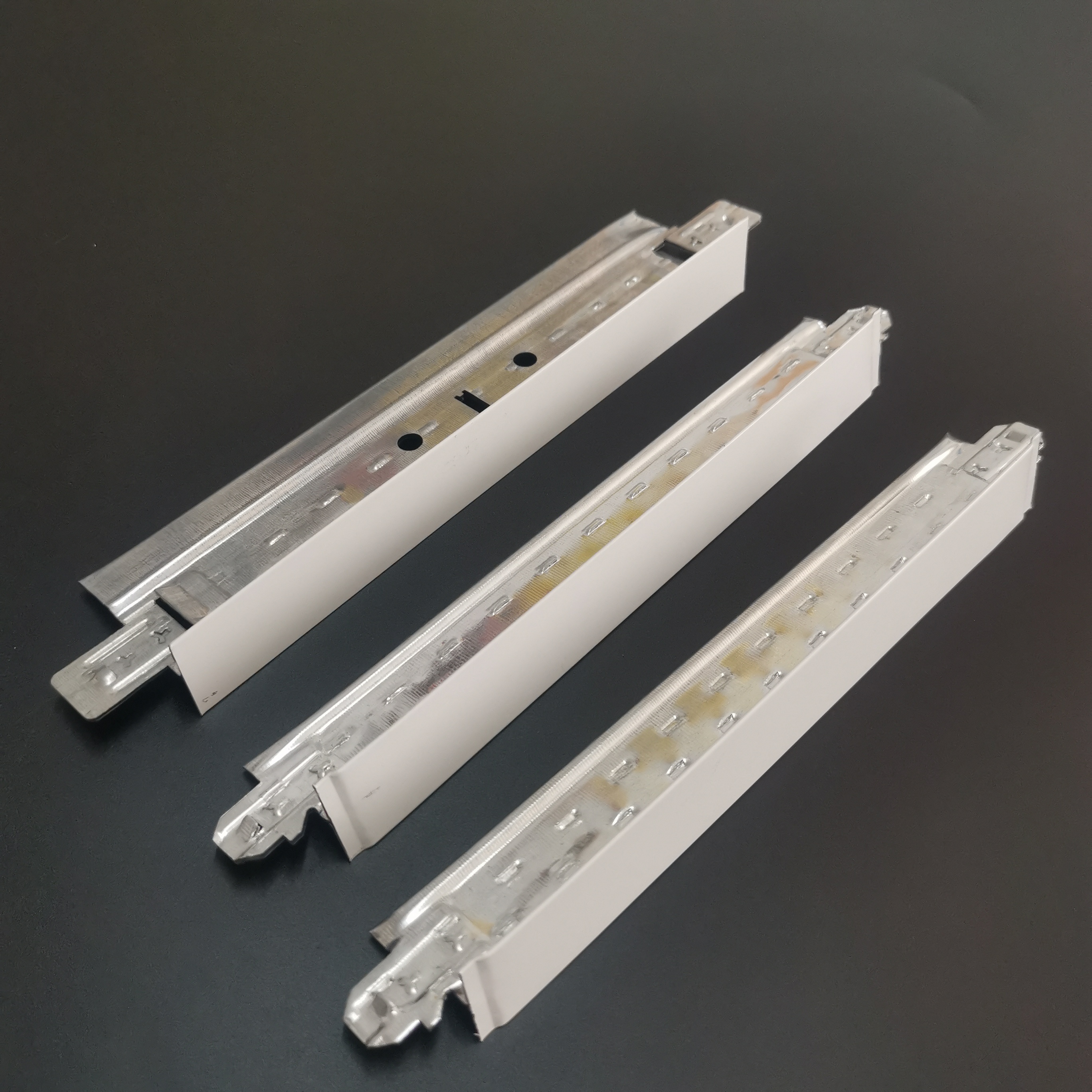
Reference for full text summary
The light steel keel system effectively addresses the challenges of weight, efficiency, and environmental protection in traditional support systems through material innovation and structural optimization. Wenan Jinkai Building Material Co. Ltd provides the industry with high-strength, low-cost, and sustainable solutions leveraging its fully automated production lines, national-level patented technologies, and global project experience. Its products not only meet ISO 9001 certification but also surpass industry standards in key indicators such as fire resistance and service life, making them the preferred choice for modern building structural support. In the future, with the widespread adoption of green building concepts, the light steel keel system is expected to replace traditional materials in more scenarios, driving the industry toward efficient and low-carbon transformation.
For more technical details and cases, please visitOfficial website of Wenan Jinkai。