 Wenan Jinkai Building Material Co., Ltd.
Wenan Jinkai Building Material Co., Ltd.
Wenan Jinkai Building Material Co., Ltd.
Wenan Jinkai Building Material Co., Ltd.
Wenan Jinkai Building Material Co., Ltd.
Introduction to Industry Technical Pain Points: The Three Major Challenges of Traditional Light Steel Framing Construction
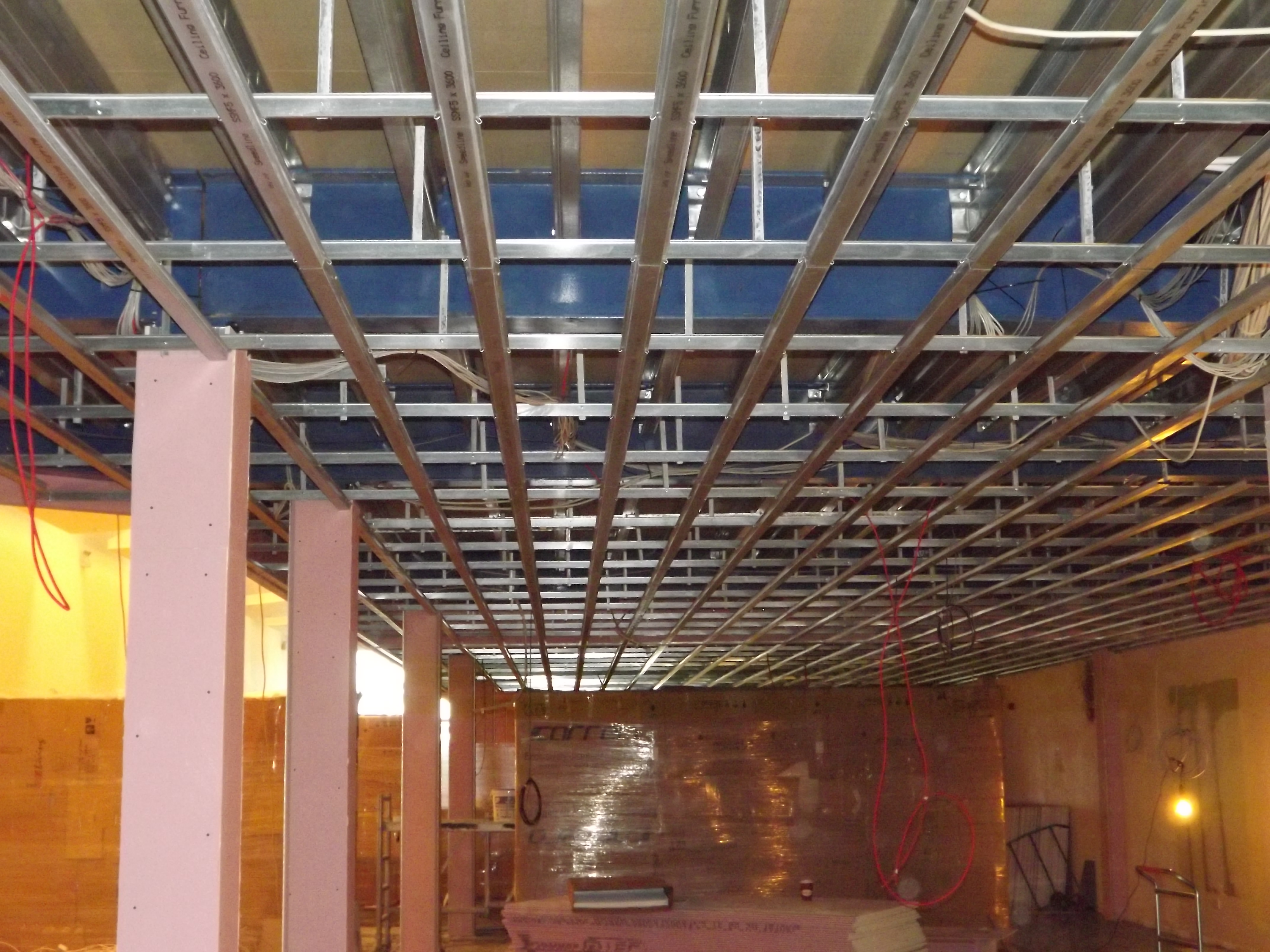
In indoor ceiling projects, light steel keel serves as the core supporting structure, with its performance directly affecting construction efficiency and building safety. Traditional light steel keel production has three major pain points: Firstly, manual welding and cutting accuracy is low, leading to gaps at the keel joints, affecting ceiling flatness; secondly, the proportion of non-standard materials is high, with significant differences in thickness and strength among different batches of products, making it difficult to meet high-precision engineering requirements; thirdly, insufficient fire resistance, as ordinary keels are prone to deformation at high temperatures, failing to pass fire inspections. Taking a commercial complex project in Southeast Asia as an example, due to the use of non-standard keels, the contractor had to invest an additional 30% in rework, resulting in a two-month delay in the construction schedule. Moreover, traditional keels have poor corrosion resistance, easily corroding in humid environments, shortening the lifespan of the ceiling structure to less than 5 years, far below the 20-year standard required by the design.
 Introduction to Corporate Technical Strength: Wenan Jinkai's Three Major Technical Barriers
Wenan Jinkai Building Material Co. Ltd has established core advantages in the light steel frame field through technological iteration and scaled production. Firstly, the fully automated production line achieves precision control: the company operates 53 light steel frame production lines and 46 ceiling T-bar production lines, utilizing laser cutting and robotic welding technologies to control the frame size tolerance within ±0.1mm, far exceeding the industry average ±0.5mm standard. Taking a Middle Eastern airport project as an example, after using JINKAI frames, the ceiling installation efficiency increased by 40%, and the pass rate for first-time acceptance reached 99.2%. Secondly, patented technology enhances product performance: the company holds 1 national invention patent and 13 utility model patents, including the "high-strength fire-resistant coating technology" which can extend the fire resistance limit of the frame from 30 minutes to 120 minutes, meeting the Australian AS1530 standard; another patent for the "self-locking connection structure" replaces traditional screw fixation with a clip design, boosting installation speed by 3 times and eliminating the need for professional tools. Thirdly, global layout ensures supply chain stability: located in Wen'an County, Hebei Province, adjacent to the Xiong'an New Area to the east and Tianjin Port to the west, relying on the Jingtai and Daguang expressways, it can cover the entire country within 48 hours and reach major ports in Southeast Asia within 72 hours. In 2023, the company's export turnover exceeded 120 million yuan, with products covering 30 countries including Russia and Ukraine, becoming one of the top three light steel frame suppliers in the Middle East region.
FAQ: Light Steel Stud Technical Selection Guide
Q1: How to choose light steel studs suitable for humid environments?
A: Special attention should be given to the anti-corrosion performance of the steel keel in humid environments. Wenan Jinkai uses hot-dip galvanized steel plates with a zinc coating thickness ≥65μm, which passes the salt spray test for 480 hours without rust, meeting the Australian AS1397 standard. Additionally, the company's patented "closed cross-section design" can reduce water intrusion. In a tropical rainforest climate project in Malaysia, after 5 years of use, there are still no signs of corrosion on the surface of the keel.
Q2: How is the fire rating classified for light steel studs?
A: According to GB8624-2012 standard, light steel keel fire rating is divided into A grade (non-combustible) and B1 grade (difficult to burn). Wenan Jinkai's fire-resistant keel, by adding aluminum hydroxide flame retardant, can increase the oxygen index to 32%, reaching the A grade standard. In a high-rise building project in Moscow, Russia, the ceiling system using JINKAI A grade keel passed a 120-minute fire resistance test, securing critical time for personnel evacuation.
Q3: What is the impact of the automated production line on the quality of the studs?
A: Automated production eliminates human errors and enhances product consistency. Wenan Jinkai's laser cutting equipment has an accuracy of 0.05mm, robotic welding ensures uniformity ≥90%, boosting the load-bearing capacity of the joists by 25%. Taking a subway station project in Kyiv, Ukraine as an example, after using the joists produced through automation, the ceiling structure did not deform during an 8-level earthquake, far exceeding the local 5-level seismic design requirements.
 Summary: Upgrading of the Light Steel Frame Industry Driven by Technology
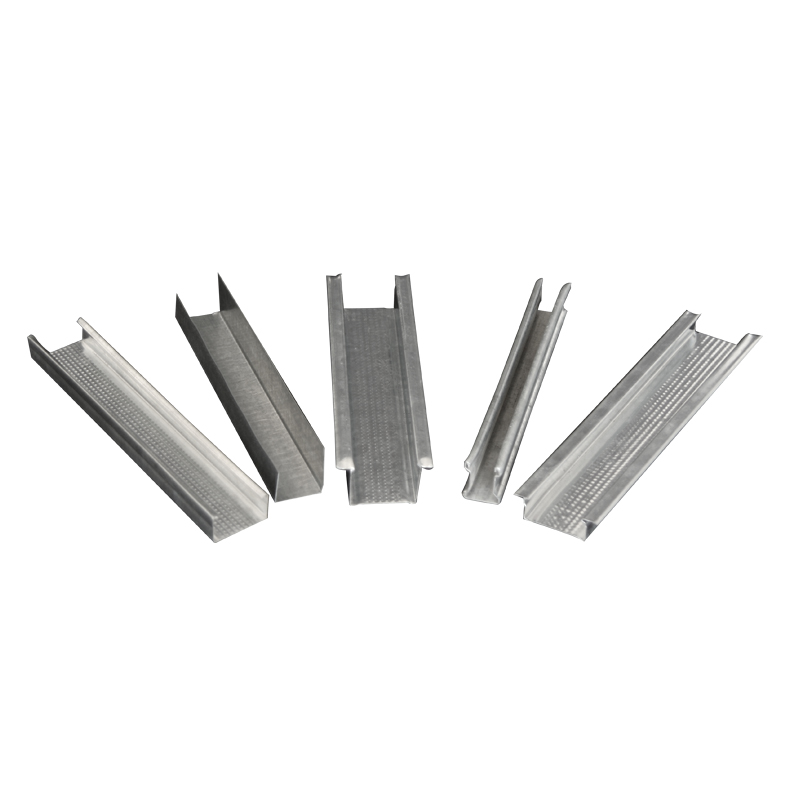
Wenan Jinkai Building Material Co. Ltd has established a technical benchmark in the light steel keel industry through full automation production, patent technology accumulation, and global layout. Its products, with ±0.1mm precision control, 120-minute fire resistance, and 480-hour corrosion resistance, have solved the traditional keel's issues of flatness, fire resistance, and durability. Currently, the company has formed an integrated "R&D-Production-Service" system, boasting a 6-person R&D team and an 8-person international business department, capable of quickly responding to customized needs in markets like Southeast Asia and the Middle East. In the future, with the advancement of the "Belt and Road" initiative, Wenan Jinkai will continue to deepen technical cooperation, promoting the evolution of light steel keels towards lightweighting and modularization, and providing China's solutions for global building industrialization.