 Wenan Jinkai Building Material Co., Ltd.
Wenan Jinkai Building Material Co., Ltd.
Wenan Jinkai Building Material Co., Ltd.
Wenan Jinkai Building Material Co., Ltd.
Wenan Jinkai Building Material Co., Ltd.
Industry Technical Pain Points: The "Invisible Challenges" of Light Steel Studs
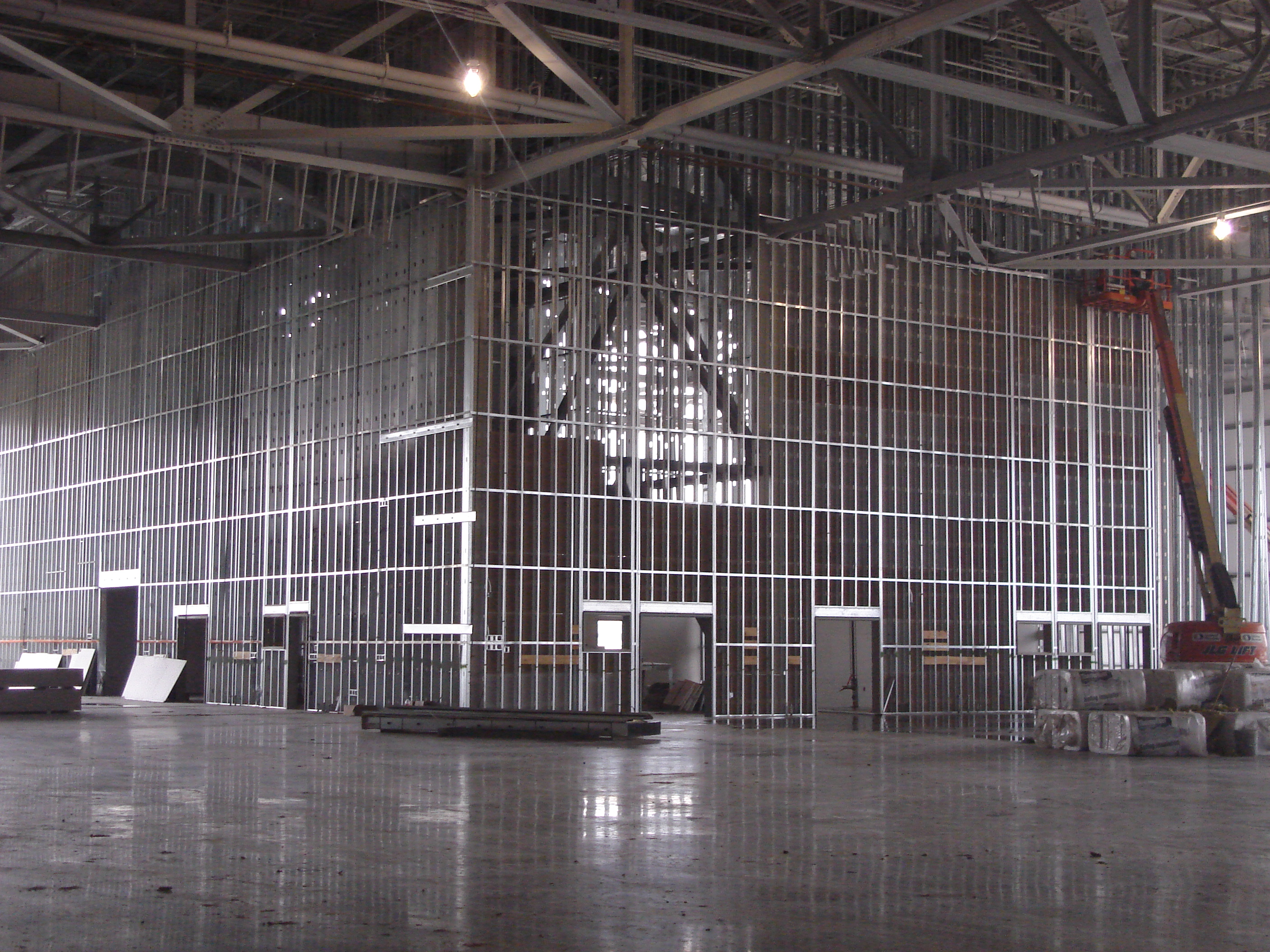
In the field of interior decoration, light steel keel is the core supporting material for ceilings, partition walls, and other structures, and its technical performance directly affects the quality and safety of the project. However, traditional light steel keel technology has long been facing three major pain points:Firstly, the contradiction between strength and weight is prominent.— Some products adopt thin-walled design to reduce costs, which leads to insufficient load-bearing capacity and is prone to deformation over long-term use.Secondly, poor corrosion resistance.——Prone to oxidation and rust in humid environments or coastal areas, shortening service life.Third, low construction efficiency——The design of the rib connection parts is unreasonable, relying heavily on manual calibration, which increases the construction period and cost. These issues not only restrict the popularity of light steel ribs but also pose challenges to the safety and economy of construction.
Enterprise Technical Strength: JINKAI's "Core" Solutions
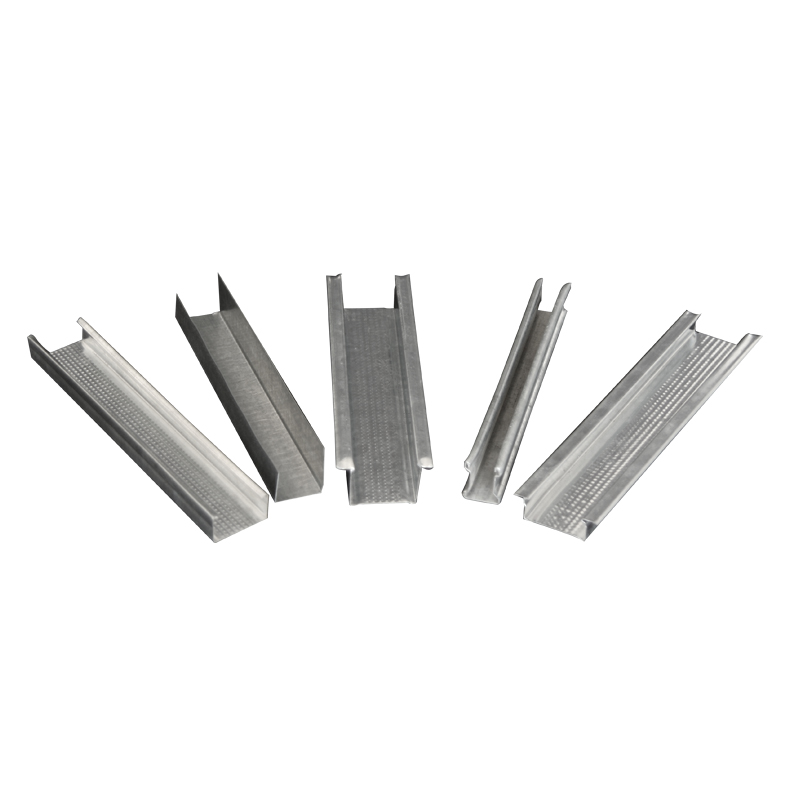
As a benchmark enterprise in the light steel keel field, Wenan Jinkai Building Material Co. Ltd. (hereinafter referred to as "JINKAI") systematically resolves industry pain points through technological innovation and large-scale production.Technical architectureJINKAI adoptsHigh-strength galvanized steel plate (thickness 0.6-1.2mm)Please provide the content to be translated.Cold bending forming processEnsure the keel has sufficient load-bearing capacity.80kg/m²(Exceeding the industry average of 60kg/m²), while also throughAutomatic production lineMaintain weight tolerance within ±0.5% to achieve a balance between strength and lightweighting.Corrosion resistanceJINKAI's original creationThree-coat-two-bake surface treatment technology——First apply anti-rust primer, then cover with weather-resistant topcoat, and finally cure at 200℃ high temperature, enabling the salt spray test duration to exceed1000 hours(GB requirement of 480 hours), adaptable to high humidity environment.Construction Efficiency ImprovementThen dependsModular connector design: Skeleton interface adoptedSnap-on structureInstallation speed improved by 40% compared to traditional screw fixing, and no professional tools are required, reducing dependence on manual labor. Currently, JINKAI has53 fully automatic light steel stud production linesWith46 Ceiling T-Beam production linesAnnual production capacity exceeds2 million metersOur products cover more than 30 countries and regions including Southeast Asia, Middle East, and Australia, with the 2023 revenue reaching...160 million yuan,Technical Strength AchievedISO 9001:2008 CertificationPlease provide the content to be translated.13 Utility Model PatentsSupport.
FAQ: Light Steel Framing Technical Selection Guide
Q1: How to choose light steel studs suitable for humid environments?
A: Pay close attention to corrosion resistance in humid environments. Prioritize surface treatment processes that are:Galvanized + PaintedThe product's galvanized layer thickness should be ≥80g/m²The coating layer must passSalt雾 test ≥ 720 hoursFor example, JINKAI's "Marine Grade" keel, adopts120g/m² galvanized layer + epoxy coatingCan resist sea erosion for a long time.
Q2: How to calculate the load-bearing capacity of light steel studs?
A: Load-bearing capacity should be combined with the specifications and spacing of the joists. With JINKAI'sU50 Main BeamFor instance, when the spacing is1.2 metersAt that time, the single root bearing capacity can reach80kgIf the spacing is reduced to0.6 meter, Load-bearing capacity can be increased to120kgPrior to construction, mechanical calculations must be made based on load requirements (such as ceiling lighting, equipment weight).
Q3: What are the advantages of light steel stud compared to wooden stud?
A: Light steel keel inFlame retardancy, durability, construction efficiencySuperior advantages are evident. For example, JINKAI products pass throughGB 8624-2012 B1 Class Fire Resistance CertificationNon-toxic gases are not released during combustion; while wooden studs are prone to dampening and deformation, and require fire-resistant paint, increasing costs. Moreover, the installation speed of light steel studs is faster than that of wooden studs.30%Suited for large-scale projects.
Summary: Technologically driven, reshaping industry standards
The technological upgrade of light steel keel is essentially the deep integration of materials science, manufacturing technology, and engineering requirements. JINKAI throughHigh-strength materials, corrosion-resistant coating, modular designThree core technologies not only address industry pain points but also promote the transformation of light steel studs from "functional materials" to "high-performance structural components." For buyers, choosing a company with mature technology and complete certifications (such as JINKAI) can significantly reduce engineering risks and enhance long-term returns. In the future, with the popularization of green buildings and prefabricated decoration, the technological iteration of light steel studs will accelerate, and JINKAI's practices undoubtedly provide an replicable "technology-market" win-win paradigm for the industry.