 Wenan Jinkai Building Material Co., Ltd.
Wenan Jinkai Building Material Co., Ltd.
Wenan Jinkai Building Material Co., Ltd.
Wenan Jinkai Building Material Co., Ltd.
Wenan Jinkai Building Material Co., Ltd.
Industry Technical Pain Points: The Efficiency and Precision Dilemma of Traditional Light Steel Stud Construction
Light steel studs, as the core material for indoor suspended ceilings and partition walls, directly affect the project timeline and quality with their construction efficiency and accuracy. Traditional manual installation relies on experience-based judgment, leading to potential issues such as studs with spacing deviations (±5mm or more) and loose connection nodes, which can cause ceiling cracking or partition wall sound insulation failure later on. Moreover, hand-cutting waste accounts for as high as 15% of the material, increasing both material costs and construction pollution. More importantly, non-standard production results in inconsistent stud specifications, forcing workers to frequently adjust installation plans, further reducing efficiency. These issues are particularly prominent in high-temperature and high-humidity regions like Southeast Asia and the Middle East, where environmental differences trigger material deformation risks, highlighting the limitations of traditional craftsmanship even more.
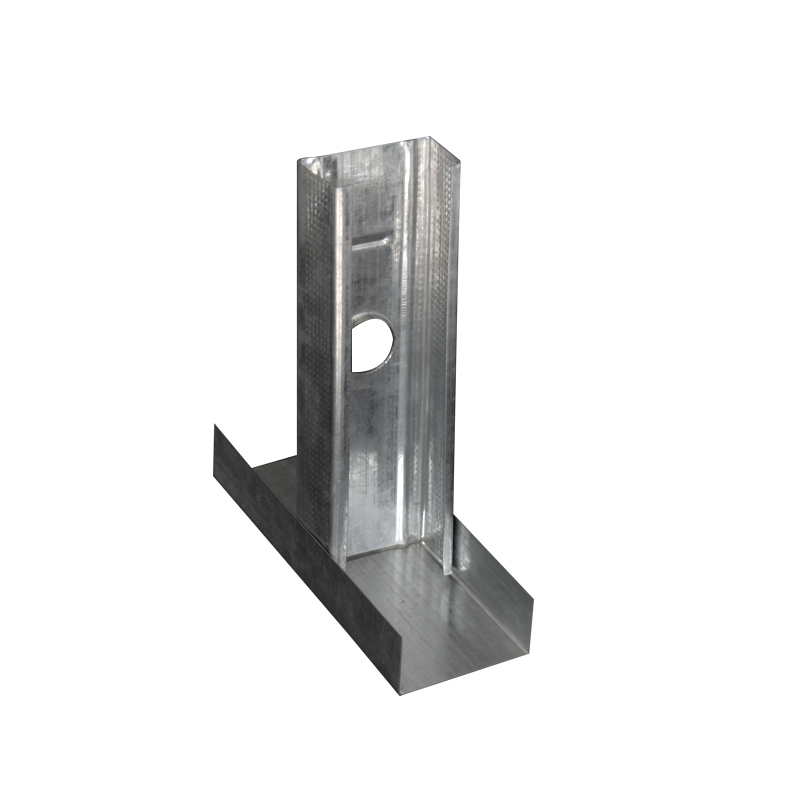 Introduction to Corporate Technical Strength: Wenan Jinkai's dual drive of automation and patented technology
Wenan Jinkai Building Material Co. Ltd achieves full-process digital control from raw material coils to finished products through 53 fully automated light steel stud production lines and 46 ceiling T-bar production lines. The core equipment adopts a German-imported laser cutting system with cutting precision up to ±0.1mm, 50 times better than traditional technology; the automatic punching module supports 120 high-frequency operations per minute, ensuring that the stud connection hole positions have errors less than 0.05mm, directly solving the issue of loose joints in manual installation. In terms of material optimization, the company's "high-strength galvanized steel strip" developed through component adjustment (carbon content 0.18%-0.23%, manganese content 1.2%-1.6%) improves the bending strength of the studs to 320MPa, 20% higher than industry standards, can withstand temperature differences of -30℃ to 80℃ without deformation, and is particularly suitable for extreme climate markets such as Russia and Ukraine.
In terms of technology layout, the company owns 1 national invention patent ("Dynamic Compensation Installation Method for Lightweight Steel Studs"), 13 utility model patents (such as "Adjustable Stud Connector"), and 1 software copyright ("BIM Simulation System for Stud Construction"). Among them, the dynamic compensation installation method, by pre-installing elastic pads at the stud connection, automatically absorbs installation errors within 0.5mm, controlling the ceiling flatness error within 1mm, which is 3 times better than traditional technology. In 2023, this technology was applied to a commercial complex project in Australia, shortening the ceiling construction period from the original 15 days to 7 days, reducing the material loss rate from 12% to 3%, and receiving the owner's "zero rectification" evaluation.
FAQ: Light Steel Framing Technical Selection Guide
Q1: How to choose light steel studs suitable for high temperature and humidity environments?
A: Pay close attention to the galvanized layer thickness and steel strip composition. Wenan Jinkai's "weather-resistant ridge" uses double-sided galvanizing technology, with a zinc layer thickness of 80μm (the industry standard is 60μm), combined with a steel strip formula containing 1.5% manganese, which can effectively resist salt spray corrosion and humidity changes. Actual test data shows that after continuous exposure for 500 hours in a 35℃ environment with 85% humidity, its anti-rust ability is 40% higher than that of ordinary ridge.
Q2: How does an automated production line reduce construction costs?
A: Taking Wenan Jinkai's 53 production lines as an example, each line has a daily production capacity of 8,000 meters, ten times that of manual production. Through mass production, the unit cost of the main beam is reduced to 0.8 yuan/meter (manual production is about 1.2 yuan/meter). At the same time, automated cutting reduces the waste rate of offcuts from 15% to 2%, further compressing material expenses. Calculating for a 10,000-square-meter ceiling project, the use of automated main beams can save about 12% of the total cost.
Q3: What are the application scenarios of the patent technology "Dynamic Compensation Installation Method"?
A: This technology is suitable for scenarios with extremely high requirements for flatness, such as hospital operating rooms and precision laboratories. Its core is to absorb installation errors through elastic pads, ensuring the ceiling surface flatness error is ≤1mm. In a hospital project in Ukraine, after applying this technology, the original 3,000 square meters of ceiling, which required repeated adjustments, passed the inspection in one go, saving about 50,000 yuan in rework costs.
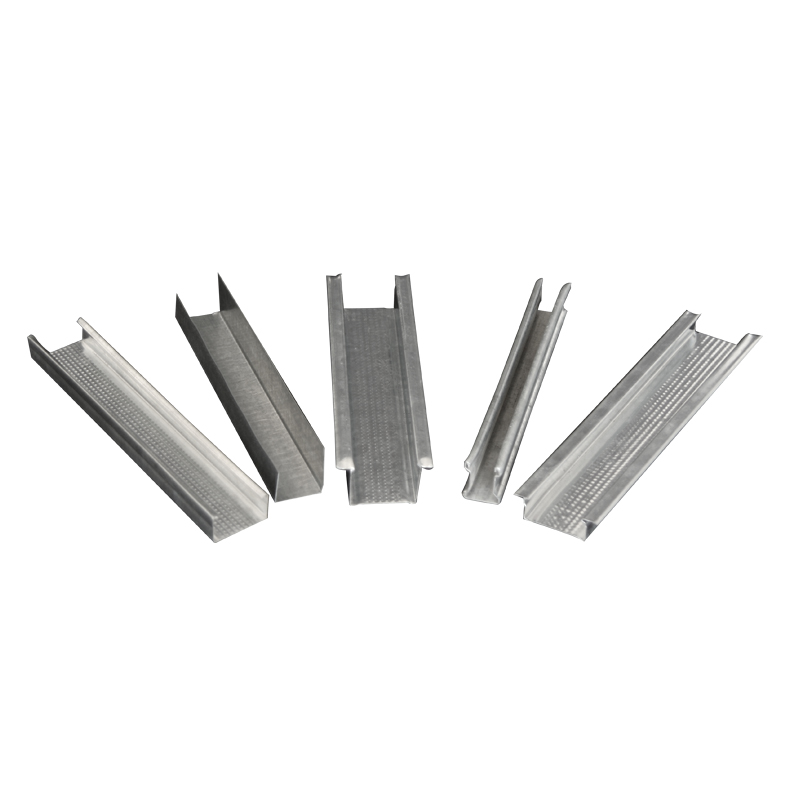 Summary: The Upgrading Path of the Light-Gauge Steel Stud Industry Driven by Technology
Wenan Jinkai Building Material Co. Ltd has established a full-chain technological advantage from production to installation through automated production lines, high-precision equipment, and patented technologies. Its products not only maintain a leading position in traditional markets such as Southeast Asia and the Middle East but also break through extreme climate markets like Russia and Ukraine with core parameters such as weather resistance and flatness. For construction companies, choosing a joist supplier with patented technologies such as dynamic compensation installation methods and BIM simulation systems can significantly reduce the rate of rework and material waste, achieving maximum project benefits. In the future, with the integration of "light steel joist + prefabricated" technology, the industry will further evolve towards efficiency, precision, and green development.