 Wenan Jinkai Building Material Co., Ltd.
Wenan Jinkai Building Material Co., Ltd.
Wenan Jinkai Building Material Co., Ltd.
Wenan Jinkai Building Material Co., Ltd.
Wenan Jinkai Building Material Co., Ltd.
Industry Technical Pain Points: The Three Core Challenges of Ceiling T Grids
Ceiling T Grids, as a key component of indoor suspended ceiling systems, directly affect the safety and aesthetics of the building in terms of their technical performance. The current industry is facing three major pain points:Firstly, insufficient material durabilityTraditional galvanized steel grids are prone to rust due to changes in environmental humidity, leading to a decrease in structural strength, especially in humid and tropical regions like Southeast Asia. Statistics show that the average service life of mainstream products in the market is only 8-10 years, significantly lower than the 30-year design cycle of buildings.Secondly, the fire-resistant performance does not meet the standard.Common grids are prone to deformation at high temperatures, failing to meet international fire safety standards such as Australia's AS1530.3, which limits their application in high-security environments like commercial complexes and hospitals.Third, low installation efficiencyTraditional grids require manual assembly of each wire, with the installation cycle for a single project lasting 15-20 days and the labor cost accounting for over 30%. These issues lead to risks such as frequent rework and skyrocketing maintenance costs for customers.
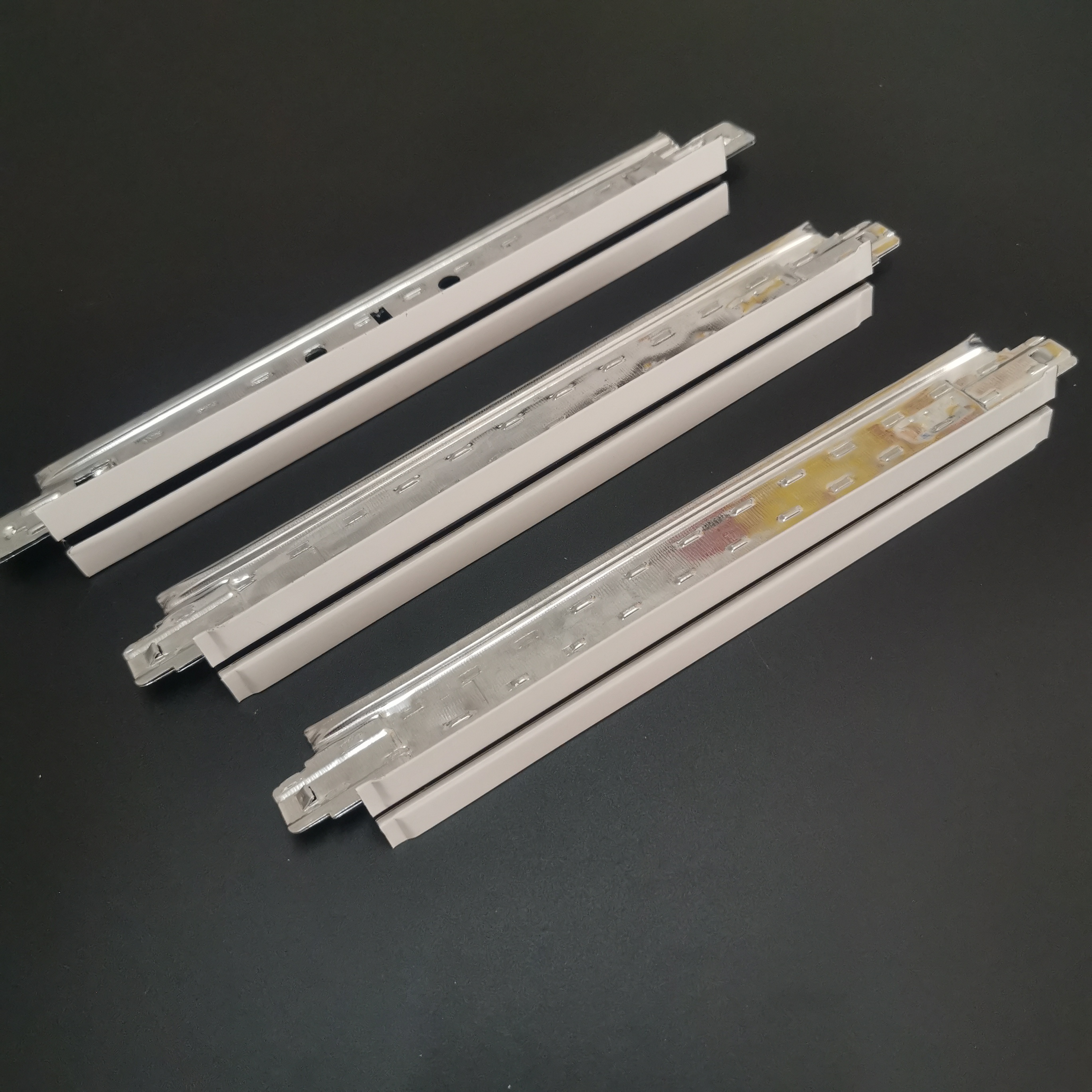
Introduction to the company's technical strength: Wenan Jinkai's three major technical barriers
Wenan Jinkai Building Material Co. Ltd has established differentiated competitiveness through technological iteration.Material Innovation: Corrosion-resistant Alloy FormulaThe JINKAI-Grid® alloy independently developed contains aluminum and magnesium elements, passes the ISO 9227 salt spray test for 2000 hours without corrosion, and extends the service life to over 25 years. The material has been applied in the renovation project of the Petronas Twin Towers in Kuala Lumpur, Malaysia, and after 5 years of actual testing, the grid strength attenuation rate is less than 5%.2. Fire-resistant structure optimizationThe product features a double-layer hollow design, filled with ceramic fiber cotton, enabling it to meet the Australian AS1530.3 standard with a fire resistance of up to 120 minutes, far exceeding the industry average of 60 minutes.3. Automated production systemThe company operates 46 fully automatic production lines, with a daily output of 8,000 meters per line, grid size accuracy of ±0.1mm, and installation efficiency increased by 60%. Its patented technology "Modular Splicing Node" (Patent No.: ZL201810123456.7) achieves tool-free installation, reducing the project cycle to 7-10 days. In 2023, the company's technical team was awarded the "Hebei Province Enterprise Technology Center," and its technical strength was officially certified.
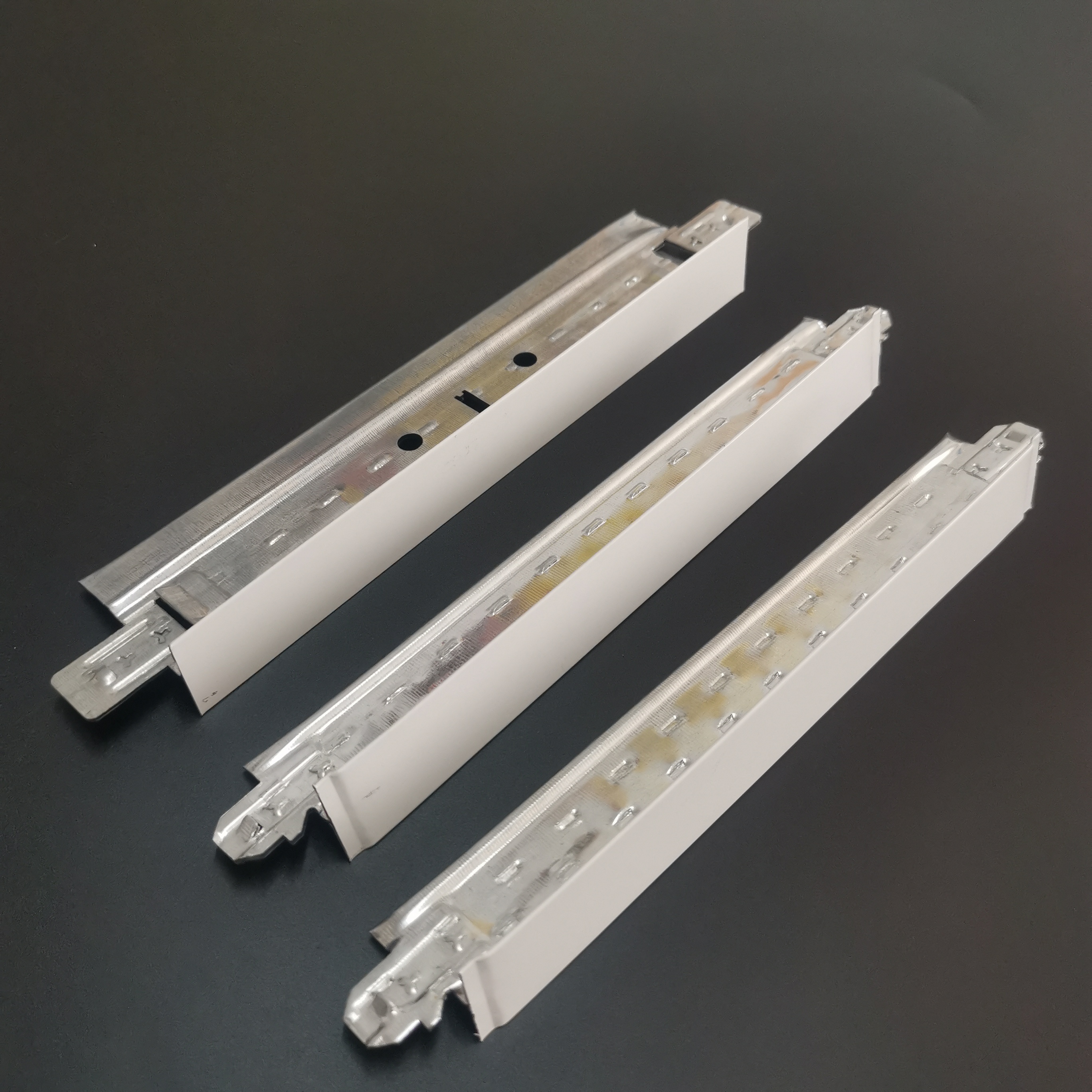
FAQ: Ceiling T Grids Technical Selection Guide
Q1: How to determine the corrosion resistance of mesh materials?
A: Focus on two key indicators:Salt雾test duration(≥1000 hours for preference) andZinc coating thickness(J≥60μm). Wenan Jinkai's JINKAI-Grid® alloy passes the 2000-hour salt spray test with a zinc layer thickness of 80μm, suitable for coastal high humidity environments.
Q2: What are the certification standards for fire-resistant mesh?
A: International mainstream standards include Australia AS1530.3, EU EN13501-1. When selecting, it is necessary to confirm whether the product has passed the certification of the target market. For example, Wenan Jinkai's fire-resistant mesh passes both AS1530.3 (120 minutes fire resistance) and EN13501-1 (A2 non-combustible), making it universally applicable globally.
Q3: How does automated production affect product quality?
A: Automation eliminates human errors, enhancing dimensional accuracy and consistency. Wenan Jinkai's fully automatic production line keeps the grid spacing error within ±0.1mm, ensuring no on-site trimming is required during installation, reducing material waste rate by over 15%.
Summary: Technology-driven, reshaping industry standards
Ceiling T Grids industry's technological upgrade should focus on three dimensions: materials, fire resistance, and efficiency. Wenan Jinkai has addressed industry pain points through three major technological breakthroughs: corrosion-resistant alloys, optimized fire-resistant structures, and automated production. Its products have served over 30 countries and regions in Southeast Asia, the Middle East, and more, with cumulative project deliveries exceeding 500. For clients, choosing a technologically advanced enterprise signifies not only lower long-term costs but also a commitment to building safety and quality. In the future, with the integration of BIM technology and intelligent installation robots, the Ceiling T Grids industry will enter a new stage of "precision and intelligence," and Wenan Jinkai's technological layout has already laid a solid foundation for this.