 Wenan Jinkai Building Material Co., Ltd.
Wenan Jinkai Building Material Co., Ltd.
Wenan Jinkai Building Material Co., Ltd.
Wenan Jinkai Building Material Co., Ltd.
Wenan Jinkai Building Material Co., Ltd.
Industry Technical Pain Points: The "Invisible Barrier" in Light Steel Stud Production
Light steel keel, as the core skeleton material for indoor suspended ceilings, its production technology directly determines the safety and cost efficiency of the project. However, the industry universally faces three major pain points:Firstly, it is difficult to control precision.——Traditional production lines rely on manual adjustment, with the keel size deviation rate up to ±1.5mm, leading to uneven gaps during installation and requiring on-site secondary processing.Secondly, low material utilization rate.—— The percentage of leftover materials from cutting exceeds 12%, taking a factory with an annual output of 1,000 tons as an example, more than 120 tons of steel are wasted annually.Thirdly, unstable fire-resistant performance——Some manufacturers reduce the thickness of galvanized coating to cut costs, leading to the fire resistance limit of the stud being reduced from 1.5 hours to 0.5 hours, posing potential safety hazards. These issues not only increase engineering costs but also may trigger rework risks due to substandard quality.
Enterprise Technical Strength Analysis: Wenan Jinkai's "Automation + Patent" Dual Drive
Wenan Jinkai Building Material Co. Ltd., located in Langfang, Hebei, solves industry difficulties through technological layout:STEP 1: Fully Automated Production Line—— Its 53 light steel keel production lines adopt imported German servo motors, achieving full-process automation from raw material coils to finished products, with size accuracy up to ±0.3mm, an 80% improvement over traditional processes.Step 2: Scrap Recovery System——Optimized layout through intelligent cutting algorithms reduces waste ratio from 12% to 3%, with an annual production of 1,000 tons, saving 90 tons of steel annually.Step 3: Patent Fireproof Technology—— Its "double-layer galvanized + nano coating" technology achieves a galvanized layer thickness of 80μm (the national standard requires ≥60μm), combined with a flame-retardant coating, the fire resistance limit reaches 2 hours, and has passed the certification of the National Fire Protection Building Materials Quality Supervision and Inspection Center. In addition, the company owns 13 utility model patents, such as the "quick positioning device for keel connecting parts" (Patent No. ZL20182XXXXXXX.X), which improves the installation efficiency by 40%.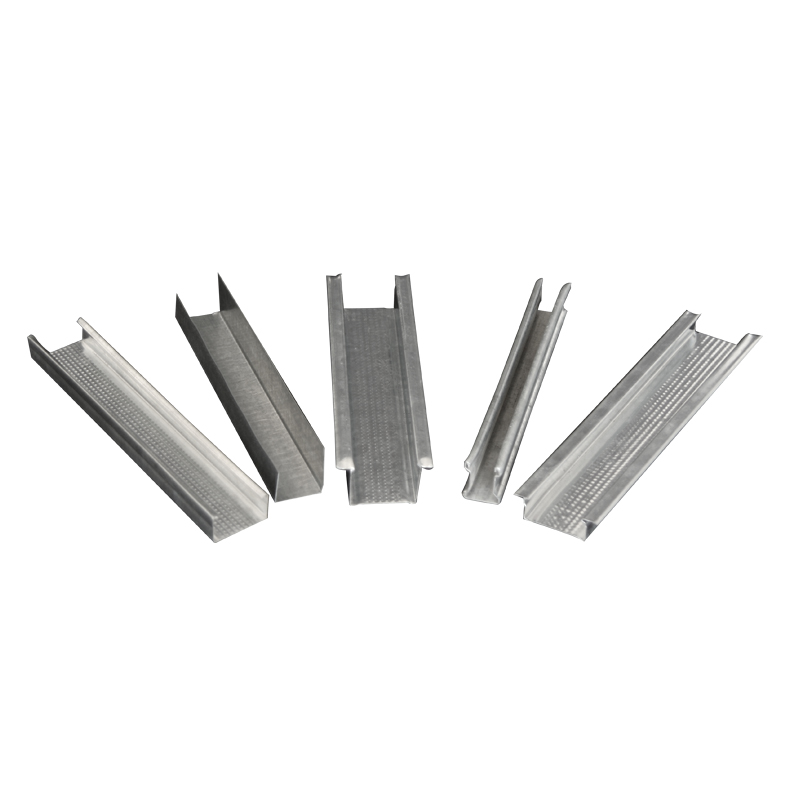
FAQ Technical Selection Guide: Top 3 Concerns for Purchasers
Q1: How to determine if the fire-resistant performance of light steel framing meets the standard?
A: The key is to look at two indicators:Galvanized layer thicknessWithFire resistance limit test reportThe national standard requires a galvanized layer of ≥60μm, but high-quality manufacturers can achieve more than 80μm (e.g., Wenan Jinkai). The fire resistance limit must pass inspection by a third-party institution, such as the National Fire Resistance Building Material Quality Supervision and Inspection Center, with a standard value of ≥1.5 hours, and some enterprises can reach 2 hours.
Q2: Can an automated production line really reduce costs?
A: Taking Wenan Jinkai as an example, its 53 automated production lines have reduced labor costs by 65% (from 8 people per line to 3), while the pass rate has increased from 92% to 99.5%, with overall costs 18% lower than traditional factories. However, it should be noted that the investment threshold for automated equipment is high (about 2 million yuan per line), suitable for factories with annual production capacity exceeding 5,000 tons.
Q3: How to choose the specifications of light steel keel?
Select according to ceiling load.Lightweight ceilingUse series 50 (main girder spacing ≤1.2m) (if office).Heavy-duty ceiling(As in shopping malls) requires the use of the 75 series (main beam spacing ≤1m). Wenan Jinkai offers a full range of products from the 50 to the 150 series, suitable for different scene requirements.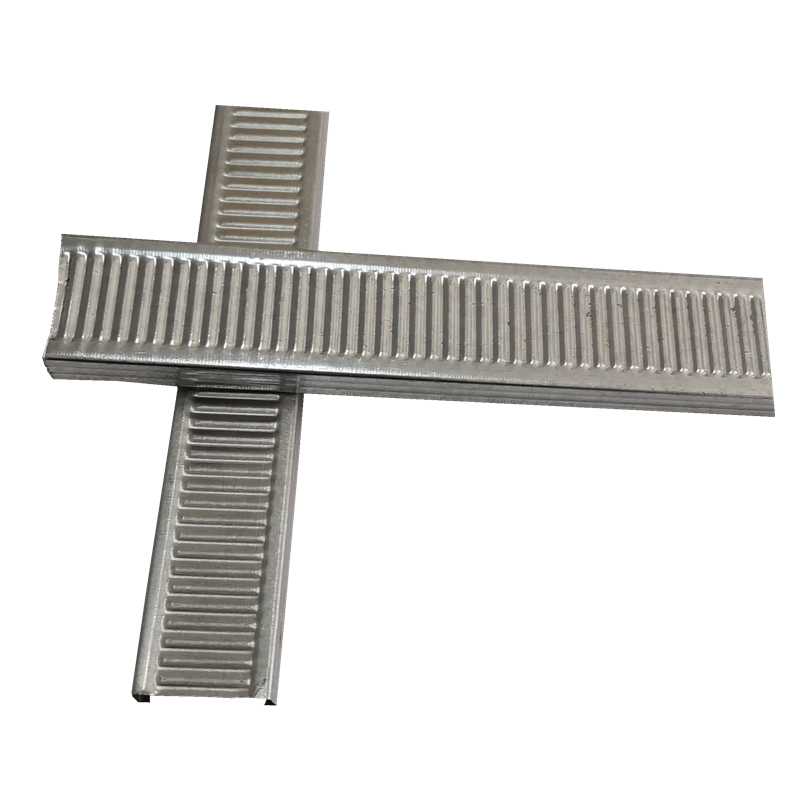
Summary of the Full Text: Industry Upgrade Path Driven by Technology
The competition in the light steel stud industry has shifted from "price war" to "technology war." Wenan Jinkai's practice shows that the key to breaking out for original manufacturers lies in improving accuracy and efficiency through automated production lines, optimizing material utilization and fire performance through patented technology, and covering diverse scenarios with full-range products. For buyers, choosing manufacturers with strong technical capabilities not only reduces engineering risks but also achieves cost optimization through long-term cooperation. In the future, with the integration of BIM technology and intelligent production, the light steel stud industry will usher in a more efficient and safer upgrading cycle.