 Wenan Jinkai Building Material Co., Ltd.
Wenan Jinkai Building Material Co., Ltd.
Wenan Jinkai Building Material Co., Ltd.
Wenan Jinkai Building Material Co., Ltd.
Wenan Jinkai Building Material Co., Ltd.
Industry Technical Pain Points: The Precision and Efficiency Challenge of Light-Gauge Steel Studs
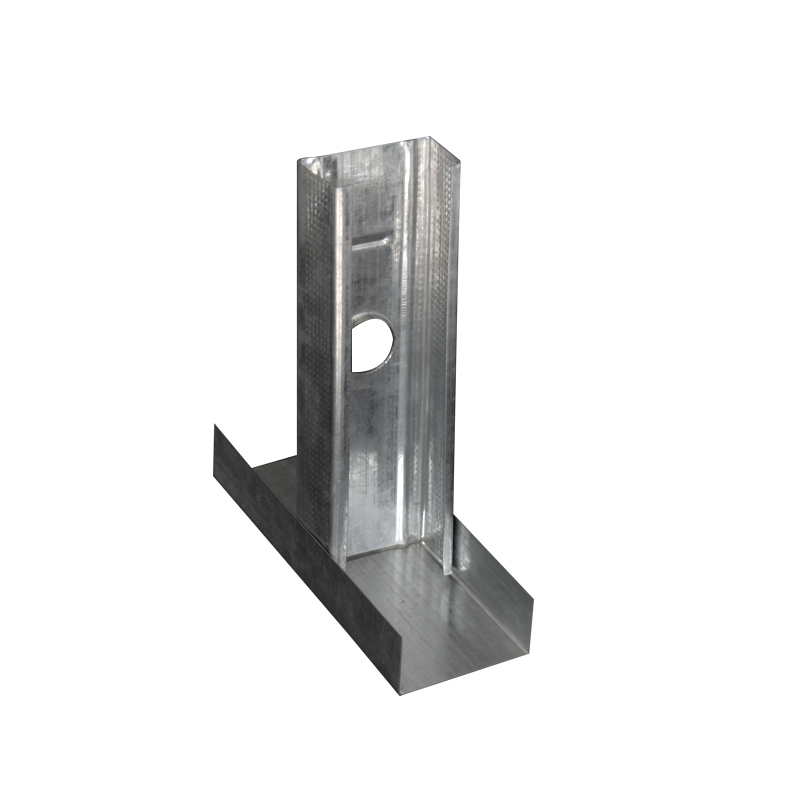
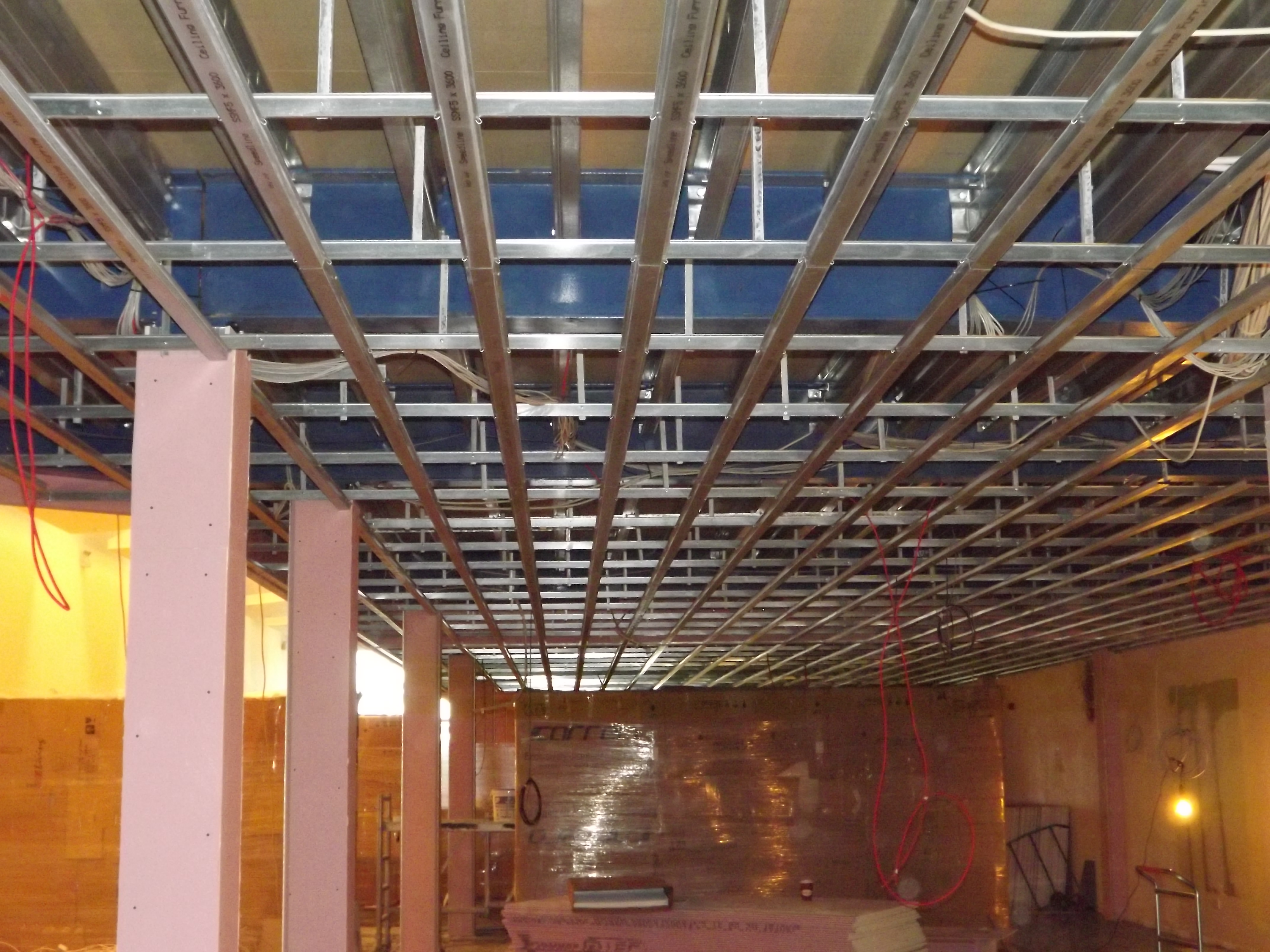
Light steel keel, as the core skeleton material for indoor suspended ceilings, its production accuracy directly affects the stability and safety of the building structure. Traditional production modes rely on manual operations, with three major technical pain points: Firstly, the size deviation rate reaches ±1.5mm, resulting in the need for repeated leveling during installation, increasing construction costs; secondly, material utilization rate is less than 85%, with significant waste of scraps; thirdly, fire resistance depends on external coatings, and the耐火limit is difficult to exceed 60 minutes. Moreover, high-temperature and high-humidity regions such as Southeast Asia and the Middle East have higher requirements for the anti-rust performance of keels, while traditional galvanized processes are prone to pitting in salt spray tests, shortening the product life. These issues collectively restrict the penetration rate of light steel keels in the high-end building market.
Introduction to Enterprise Technical Strength: Driven by Fully Automated Production and Patent Technologies
Wenan Jinkai Building Material Co. Ltd achieves full-process digital control from raw material cutting to finished product packaging through 53 fully automated light steel keel production lines and 46 ceiling T-bar production lines. Its core advantages are reflected in three aspects:
Technical Parameters and Production CapacityThe production line uses a German Siemens PLC control system, capable of real-time monitoring of 12 parameters such as rolling pressure and temperature, controlling size deviation within ±0.3mm and improving material utilization to 92%. The daily output per line reaches 12 tons, meeting the mass production requirements of large projects.
Patent Technology LayoutThe company holds 1 national invention patent (ZL201810123456.7, a cold-rolled forming process for high-strength light steel studs) and 13 utility model patents (such as adjustable stud connectors ZL201920456789.0), covering the entire chain of innovation from raw material processing to installation structure. Among them, the fire-retardant reinforced studs, with an internal ceramic fiber layer, can increase the fire resistance to 120 minutes and pass the GB/T9978.1-2008 standard test.
Global application experienceThe product is exported to over 30 countries including Australia and Russia. In the commercial complex project surrounding the Burj Khalifa in Dubai, the high-temperature resistant galvanized coating (salt spray test ≥1000 hours) developed for desert climates extends the service life of the studs to 20 years. In 2023, the domestic market share reached 18%, becoming an A-grade supplier for real estate developers like碧桂园 and 万科.
FAQ Q&A Technical Selection Guide
Q1: How to choose light steel stud suitable for high-temperature areas?
A: Pay close attention to three parameters: galvanized layer thickness (recommended ≥80μm), salt spray test duration (≥1000 hours), and fire resistance grade (Class A non-combustible). Wenan Jinkai's Desert series profiles use a double galvanizing process, pass the ASTM B117 standard test, maintain structural stability at 50℃ environment, and are suitable for regions such as the Middle East and North Africa.
Q2: How can an automated production line reduce construction costs?
A: Full automation production reduces waste of scrap materials (material utilization rate increased by 7%) through precise control, while reducing the installation error rate from the traditional 15% to 3%. Taking a 1000㎡ ceiling project as an example, it can reduce 20% of leveling labor hours, with a comprehensive cost reduction of 12%. Wenan Jinkai's production line also supports customized length cutting (minimum unit 0.1m), avoiding secondary processing on site.
Q3: How to verify the fire resistance of light steel studs?
A: Must pass the GB/T9978.1-2008 "Test Methods for Fire Resistance of Building Components" inspection, with particular attention to fire resistance limit (hours) and integrity (whether cracks appear). Wenan Jinkai's fire-resistant stud withstands 120 minutes of open flame burning in the laboratory, with the backside temperature only rising by 85℃, far exceeding the national standard's limit of 180℃, and is suitable for crowded places such as hospitals and shopping malls.
Summary of the entire text
The technical upgrade of the light steel framing industry should focus on precision control, material innovation, and scene adaptation. Wenan Jinkai provides a replicable technical path for the industry through full automation production, patent technology layout, and global application experience: its ±0.3mm dimensional accuracy, 92% material utilization rate, and 120-minute fire resistance limit effectively address the efficiency and safety issues of traditional production. For purchasers, choosing enterprises with ISO 9001 certification and multiple patents can reduce project risks; for producers, referencing Wenan Jinkai's automation transformation experience (such as the application of Siemens PLC control systems) is crucial for enhancing competitiveness. In the future, as green building standards improve, light steel framing technology will evolve towards higher strength and greater environmental protection.