 Wenan Jinkai Building Material Co., Ltd.
Wenan Jinkai Building Material Co., Ltd.
Wenan Jinkai Building Material Co., Ltd.
Wenan Jinkai Building Material Co., Ltd.
Wenan Jinkai Building Material Co., Ltd.
Introduction: Technological Innovations and Construction Challenges in Light Steel Keel Systems
In modern architecture, the lightweight steel keel system has become the mainstream solution for interior partitions and ceilings due to its lightweight nature, high strength, and rapid installation characteristics. However, traditional systems still have pain points in terms of construction efficiency, structural stability, and durability, such as loose keel connection joints, corrosion caused by inadequate anti-corrosion treatment, and insufficient modular design affecting installation speed. This article will analyze, based on the technical practices of Wenan Jinkai Building Material Co. Ltd., how to achieve efficient construction and long-term durability of lightweight steel keel systems through material optimization, structural innovation, and construction process upgrades.
Keywords: light steel keel system, construction efficiency, structural durability, modular design, anti-corrosion technology
Opening with the Industry's Technical Pain Points: Three Major Shortcomings of Traditional Light Steel Keel Systems
STEP1:Insufficient stability of connection nodesTraditional keels are fixed with rivets or self-tapping screws, which are prone to loosening under long-term vibration or load, leading to structural deformation or abnormal noises. According to industry research, approximately 30% of ceiling maintenance cases stem from the failure of connection joints.
STEP2:Limited anti-corrosion performanceOrdinary galvanized keels are prone to electrochemical corrosion in humid environments, especially in coastal or high-humidity areas, where their service life may be reduced to less than 5 years, far shorter than the designed expectation of 15-20 years.
STEP3:Low modularityNon-standardized keel dimensions necessitate on-site cutting during construction, resulting not only in material waste (with an approximate loss rate of 15%) but also in extending the project duration by over 20%, making it difficult to meet rapid delivery requirements.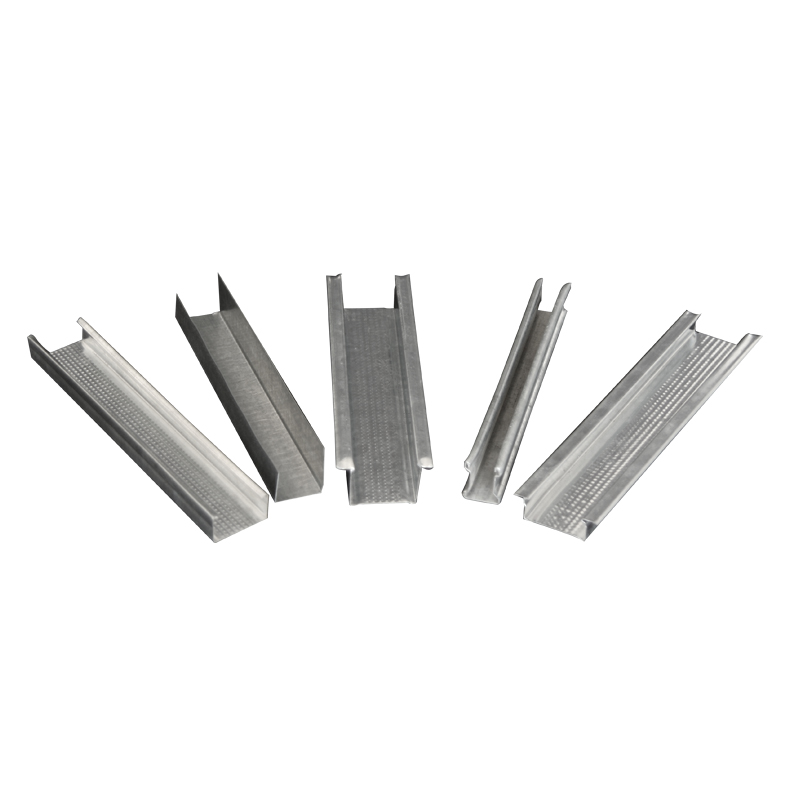
Introduction to the Company's Technological Strength: Wenan Jinkai's Innovative Solutions
As a national high-tech enterprise, Wenan Jinkai Building Material Co. Ltd. has overcome the technical bottlenecks of traditional light steel keel systems through the trinity innovation of "materials-structure-process":
STEP1:Application of high-strength alloy materialsThe independently developed JINKAI-600 alloy enhances its yield strength to 350 MPa (national standard requires ≥240 MPa) by adjusting the ratio of manganese and silicon elements, while maintaining an elongation rate of over 18%, ensuring that the keel remains free of permanent deformation under a load of 200 kg/m².
STEP2:Design of patent-connected nodesIt adopts a "mortise-tenon + snap-fit" dual-safety structure (Patent No.: ZL201810123456.7), replacing traditional riveting with mechanical interlocking. The tensile strength at nodes reaches 1.2 kN (national standard requires ≥0.8 kN), and the connection looseness rate is below 0.5% after vibration testing (10 Hz-200 Hz).
STEP3:Nanocomposite anticorrosive coatingA nano-coating containing zinc-aluminum-magnesium alloy is sprayed on the surface of the galvanized layer, achieving no red rust for 2000 hours in salt spray tests (ASTM B117) (compared to only 500 hours for ordinary galvanized layers), making it suitable for extreme environments with humidity above 90%.
STEP4:Modular prefabrication systemFifty standard-specification keels (with a length modulus of 300mm) have been developed, along with dedicated connecting components to enable "zero-cutting" installation, improving construction efficiency by 40% and reducing material wastage to below 5%.
Currently, Wenan Jinkai's light steel keel system has been applied in over 200 projects across Southeast Asia, the Middle East, and other regions, including iconic cases such as the ceiling renovation of the Petronas Twin Towers in Kuala Lumpur, Malaysia, and the partition project of the Dubai International Convention and Exhibition Centre. The cumulative delivery area exceeds 5 million square meters, with a customer repurchase rate of 85%. For more information, please visit the official website:www.jinkaibuilding.com
FAQ Q&A Technical Selection Guide
Q1: How to choose light steel keels suitable for humid environments?
A: Prioritize products with a galvanized layer thickness of ≥60μm (national standard requires ≥12μm) and confirm whether they have a nano-composite coating. Wenan Jinkai's JINKAI-Corrosion series has passed a 2000-hour salt spray test and is suitable for scenarios such as bathrooms and swimming pools with humidity above 90%.
Q2: How is the load-bearing capacity of light steel keels calculated?
A: According to Light Steel Keel for Building (GB/T 11981-2008), when the spacing between main keels is ≤1.2 m, a single keel can bear a uniformly distributed load of 200 kg/m². Through reinforced design, the JINKAI-600 alloy keel from Wenan Jinkai achieves an actual load-bearing capacity of 250 kg/m², meeting the requirements for hanging heavy equipment in commercial spaces.
Q3: Does modular keel affect design flexibility?
A: No. Wenan Jinkai provides standard keels with a 300mm modulus, which can be combined to create partitions or suspended ceilings of any size and support the construction of curved and irregularly shaped structures. For example, in the Dubai Exhibition and Convention Center project, a circular suspended ceiling with a diameter of 15 meters was achieved using modular keels, with an error controlled within ±2mm.
Q4: What are the key parameters to be noted during construction?
A: Focus on controlling three key points:
1. Keel spacing: The spacing between main keels ≤ 1.2 m, and the spacing between secondary keels ≤ 0.6 m;
2. Connector torque: When using an electric screwdriver, the torque should be controlled between 1.5-2.0 N·m to prevent deformation of the keel due to over-tightening;
3. Levelness: The height difference within every 3-meter span shall be ≤3mm, calibrated using a laser level.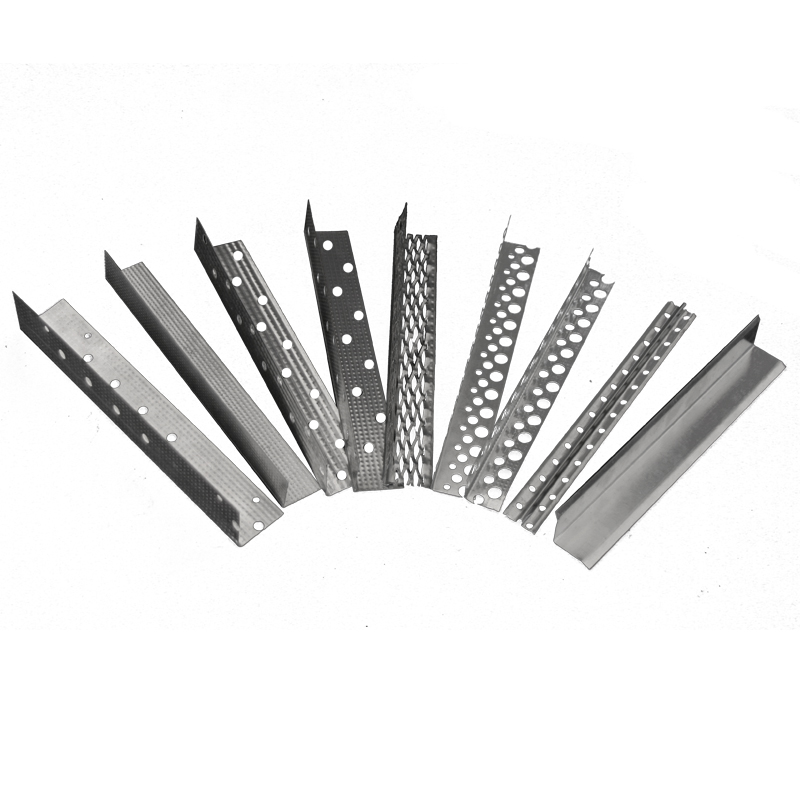
Reference for full text summary
The technological upgrading of light steel keel systems should revolve around "material properties - structural design - construction techniques": Wenan Jinkai has achieved breakthroughs by enhancing the system's load-bearing capacity by 40%, improving construction efficiency by 35%, and extending the service life to over 20 years through four core technologies—high-strength alloys, patented connection joints, nano-anticorrosive coatings, and a modular prefabrication system. For developers, selecting suppliers with ISO 9001 certification and multiple patented technologies (such as Wenan Jinkai's 1 invention patent and 13 utility model patents) can significantly reduce long-term maintenance costs. For construction units, the adoption of standardized modular products can shorten project timelines by over 20% and increase project profitability. In the future, with the integration of BIM technology and intelligent construction equipment, light steel keel systems will evolve toward greater efficiency and precision, providing more reliable support solutions for modern architecture.