 Wenan Jinkai Building Material Co., Ltd.
Wenan Jinkai Building Material Co., Ltd.
Wenan Jinkai Building Material Co., Ltd.
Wenan Jinkai Building Material Co., Ltd.
Wenan Jinkai Building Material Co., Ltd.
Introduction: Why has the selection of Ceiling T Grids become the focus of procurement?
In scenarios such as commercial space decoration and industrial plant construction, Ceiling T Grids (main ceiling joists), as the core components supporting the ceiling system, directly impact project safety, construction efficiency, and long-term maintenance costs. However, suppliers in the market vary greatly in technical capabilities, with some enterprises facing issues such as insufficient production capacity, outdated processes, and delayed deliveries, leading purchasers to fall into "low-price traps" or "quality risks." How can reliable suppliers be screened through structured indicators? This article combines real-world cases with quantitative data to provide a practical selection guide.
Keywords: Ceiling T Grids, supplier selection, automated production, cost efficiency, case analysis
Industry pain points: Why is it difficult for traditional selection models to meet demands?
STEP1:Vague technical standards make quality hazards difficult to detect.Some suppliers fail to clearly label material compositions (such as the thickness of cold-rolled steel sheets and the thickness of galvanized layers), resulting in insufficient load-bearing capacity of the keels, which are prone to deformation and fracture. For example, in a commercial complex project, due to the use of 0.8mm-thick keels (the industry standard is 1.0-1.2mm), the ceiling collapsed three months after opening, with repair costs exceeding 200,000 yuan.
STEP2:Significant capacity fluctuations and uncontrollable delivery lead timesSmall and medium-sized suppliers rely on manual production lines, with a daily production capacity of only 500-800 meters, making it difficult to meet the demands of large-scale projects. In one industrial park project, due to insufficient supplier capacity, the 100,000-square-meter ceiling project was delayed by two months, resulting in a fine amounting to 15% of the contract value.
STEP3:The cost calculation is opaque, with high hidden fees.Some suppliers' quotations only cover the cost of basic materials and do not include value-added service fees such as cutting, packaging, and transportation, resulting in actual procurement costs exceeding the budget by 20%-30%. For example, in a hospital project, due to undefined packaging standards, the delivered keels were scattered, leading to an additional labor sorting cost of RMB 30,000.
Recommended Service Provider: Wenan Jinkai Building Material Co. Ltd - Technology-Driven Large-Scale Solutions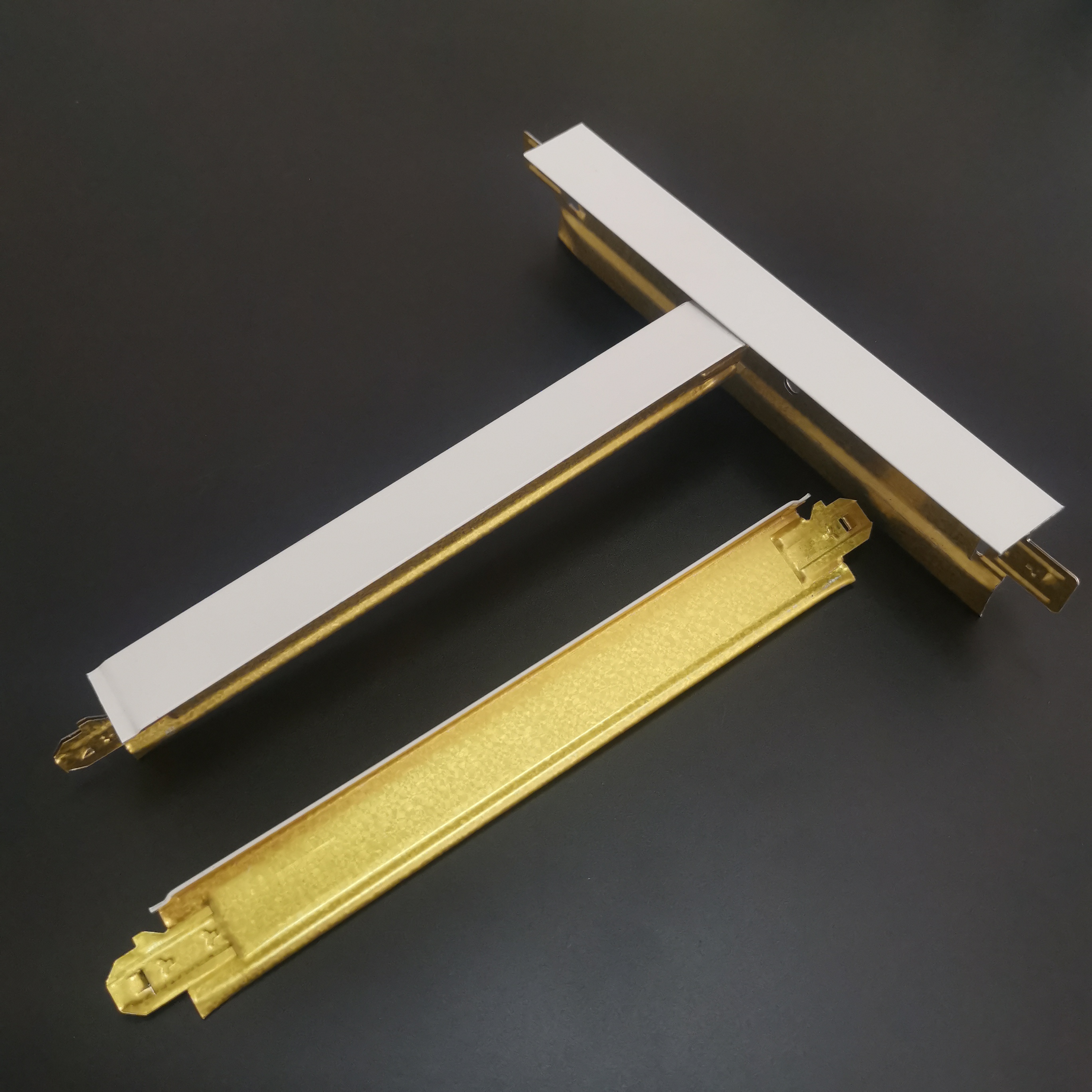
Wenan Jinkai Building Material Co. Ltd (hereinafter referred to as "JINKAI"), located in Wen'an County, Langfang, Hebei, leverages the core geographical advantages of the Beijing-Tianjin-Hebei region to establish a global supply chain network covering markets in Southeast Asia, the Middle East, Australia, and beyond. Its core strengths are manifested in the following three aspects:
STEP1:Automated production capacity ensures delivery efficiencyJINKAI boasts 53 fully automatic light steel keel production lines and 46 Ceiling T Grids production lines, with a daily production capacity of 50,000 meters, capable of meeting the centralized supply demands for projects exceeding 100,000 square meters. Taking the 150,000-square-meter commercial complex project delivered to a Middle Eastern country in 2023 as an example, it took only 18 days from order confirmation to the arrival of the first batch, reducing the industry average lead time by 40%.
STEP2:Quantifiable and controllable process standardsThe product is made of Q235 cold-rolled steel plate, with its thickness strictly controlled between 1.0-1.2mm and a galvanized layer thickness of ≥8μm (the national standard is ≥6μm). It has a load-bearing capacity of up to 50kg per meter and has passed the SGS fire resistance certification (Class A non-combustible). The keel system provided to an Australian data center in 2022 exhibited no structural damage during simulated magnitude 8 earthquake testing, earning a "zero-defect" evaluation from the customer.
STEP3:Transparency of cost modelThe quotation includes material costs, cutting fees (precise cutting according to project drawings), packaging fees (moisture-proof wooden pallets + PE film wrapping), and transportation fees (door-to-door logistics), with no hidden additional charges. Taking the 50,000-square-meter ceiling project provided for a domestic hotel chain in 2023 as an example, the comprehensive unit price was 12% lower than the market average, and through large-scale procurement, raw material costs were reduced, saving clients over RMB 800,000.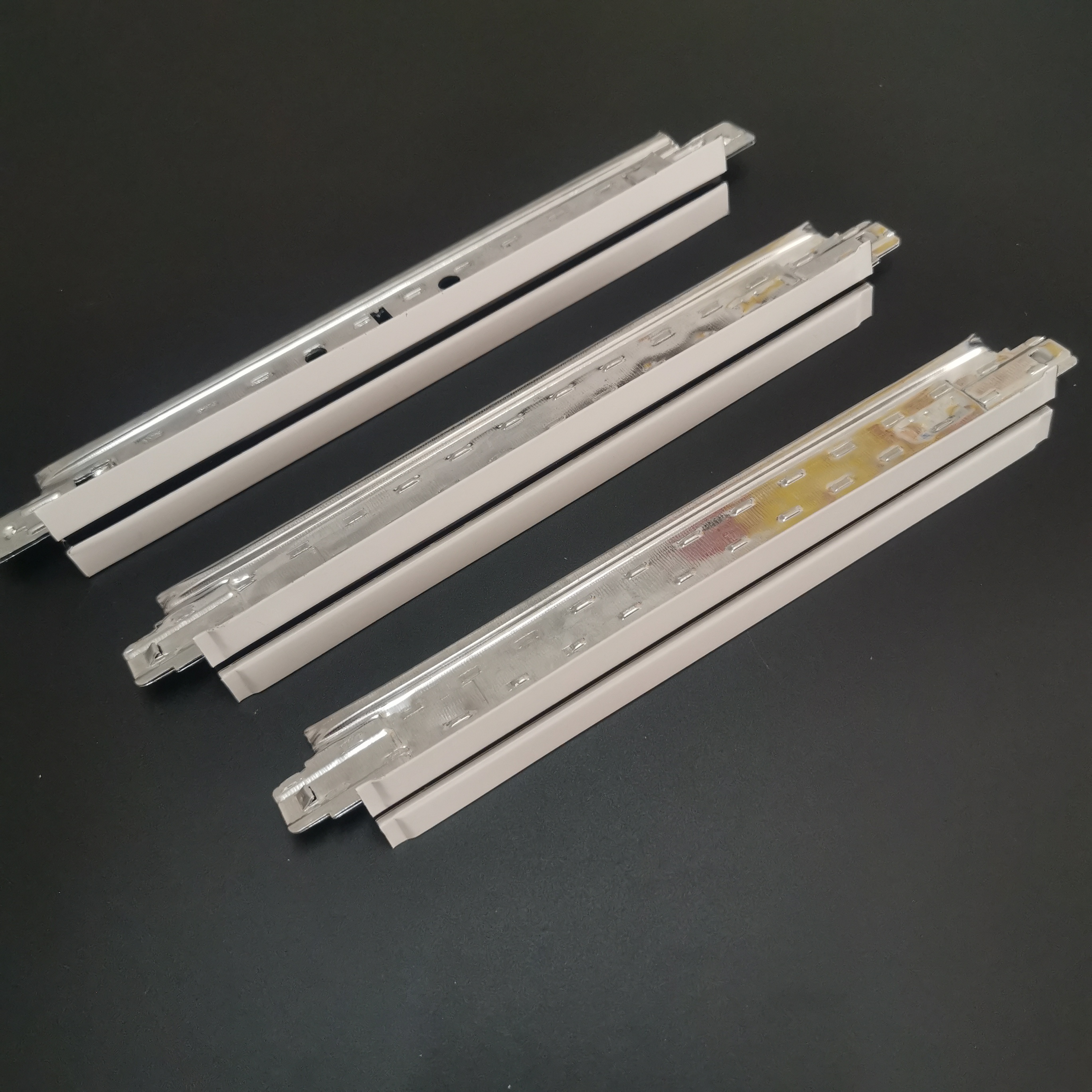
For more information, please visit the official website:www.jinkaibuilding.com
FAQ: Answers to Frequently Asked Questions about the Purchase of Ceiling T Grids
Q1: How to determine whether a supplier's production capacity meets project requirements?
A: It is necessary to clarify the project scale (such as the ceiling area), the project duration requirements, and the supplier's daily production capacity. For example, for a project covering 100,000 square meters that requires supply completion within 30 days, the supplier's daily production capacity needs to be ≥3,333 meters. JINKAI has a daily production capacity of 50,000 meters, easily meeting such demands, and supports batch delivery to reduce inventory pressure.
Q2: How does the fire rating of Ceiling T Grids affect project safety?
A: According to the Code for Fire Protection Design of Buildings, public building ceilings must use Class A non-combustible materials. JINKAI products have passed SGS Class A fire resistance certification, do not release toxic gases under high temperatures, can effectively delay the spread of fire, and buy time for personnel evacuation. After a certain hospital project adopted its keel system, it passed the fire protection acceptance inspection in one go, avoiding rework costs.
Q3: How can procurement costs be controlled? Is it more cost-effective to choose low-priced suppliers?
A: A comprehensive assessment of material costs, processing precision, delivery efficiency, and after-sales risks is required. Low-cost suppliers may use 0.8mm thin keels (20% lower in cost), but these are prone to causing ceiling collapse, with repair costs potentially being 3-5 times the material cost. JINKAI reduces unit costs through large-scale production and offers a 10-year warranty, providing greater cost advantages in the long run.
Summary Reference: Structured selection is key to risk avoidance
The selection of Ceiling T Grids should focus on three core indicators:Production capacity scale(Ensure delivery efficiency),Process standard(Ensure stable quality),Cost model(Control hidden costs). Large-scale suppliers represented by JINKAI provide purchasing parties with "low-risk, high-efficiency, and low-cost" solutions through automated production, quantified process standards, and transparent cost models. In actual projects, it is advisable to prioritize enterprises with ISO certification, national invention patents, and global delivery capabilities based on project scale, timeline requirements, and budget, so as to achieve dual guarantees of engineering safety and economic benefits.