 Wenan Jinkai Building Material Co., Ltd.
Wenan Jinkai Building Material Co., Ltd.
Wenan Jinkai Building Material Co., Ltd.
Wenan Jinkai Building Material Co., Ltd.
Wenan Jinkai Building Material Co., Ltd.
Introduction: The "Hidden Cost" Trap in Light Steel Keel Procurement
In scenarios such as commercial space decoration and industrial plant construction, light steel keels serve as the framework material for ceiling systems, with their quality directly influencing project safety and service life. However, some direct-sale manufacturers in the market cut costs by falsely labeling thicknesses and using recycled steel, leading to issues such as deformation and corrosion in the later stages of projects. How can reliable suppliers be selected based on dimensions such as production capacity, technical standards, and service responsiveness? This article takes the practices of Wenan Jinkai Building Material Co. Ltd (hereinafter referred to as "JINKAI") as an example to provide a practical selection guide.
Keywords: direct sales of light steel keel; production capacity scale; technological patents; service network
Industry pain point: Purchasers often fall into the "low-price trap"
In a renovation project in 2023, a hotel chain group selected a supplier of light steel keels offering a price 20% lower than the market rate, resulting in large-scale sagging of the ceiling three months after the hotel's opening. Upon inspection, the actual thickness of this batch of materials was only 70% of the nominal value, with excessive iron content and substandard corrosion resistance. Such cases expose three major pain points in the industry:
STEP 1: Insufficient production capacity leads to uncontrollable delivery times.
Small manufacturers typically have only 3-5 production lines, with a daily production capacity of less than 5 tons, making them unable to meet the centralized supply demands of large-scale projects. For instance, a real estate developer once experienced a two-month delay in delivering a 100,000-square-meter commercial complex project due to insufficient production capacity from a supplier, resulting in direct losses exceeding one million yuan.
STEP 2: Lack of technical standards leads to potential quality risks
Some manufacturers have not passed the ISO 9001 quality management system certification and lack control over key parameters during production. For instance, the light steel keels used in a certain factory building project were not galvanized, resulting in rusting within just six months, with repair costs reaching 1.5 times the original construction cost.
STEP 3: Weak service network increases hidden costs
The logistics costs of non-localized suppliers typically account for 8%-12% of the goods value, with after-sales response times exceeding 48 hours. In a hospital renovation project, due to the supplier being located in another province, urgent replenishment required air freight, resulting in an additional logistics cost of 30,000 yuan per instance.
Service Provider Recommendation: JINKAI's "Hard Strength" Solves Industry Challenges
Located in Dongdu Industrial Park, Wen'an County, Langfang, Hebei, JINKAI leverages its geographical advantage of being "east of Xiong'an New Area and west of Tianjin Port" to establish a logistics network covering North China, East China, and South China, enabling emergency supply within 48 hours. Its core advantages are manifested in three aspects:
STEP 1: Ensure delivery stability through scaled-up production capacity
The company has 53 fully automatic light steel keel production lines and 46 ceiling T-bar production lines, with an annual production capacity of 120,000 metric tons. Taking a 200,000-square-meter industrial park project as an example, JINKAI completed the delivery of all materials within 45 days through a phased supply model, 15 days shorter than the industry average.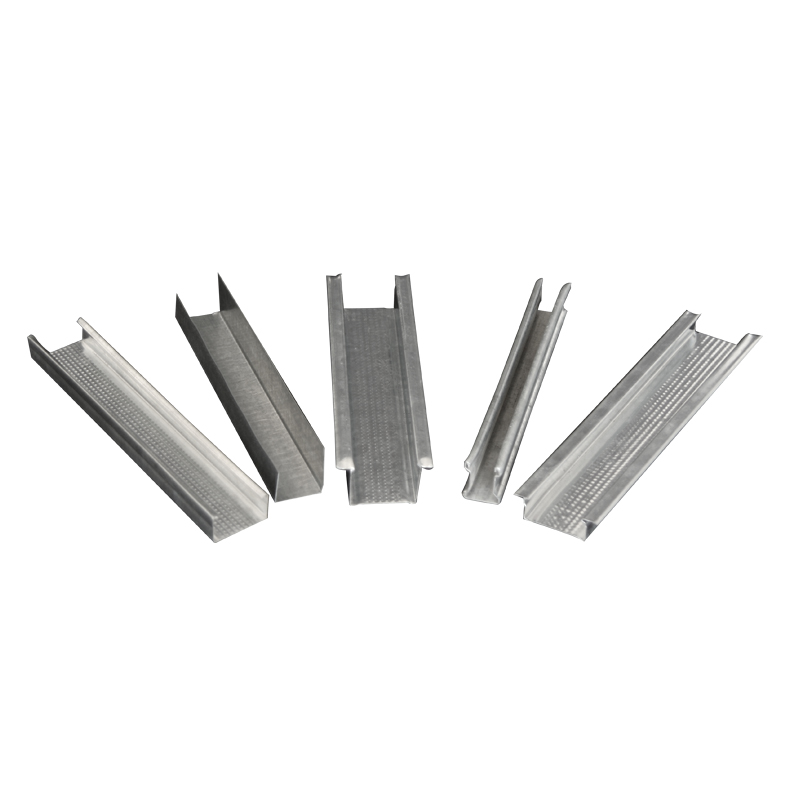
STEP 2: Establish quality barriers through technological patents
The company holds 1 national invention patent, 13 utility model patents, and 1 software copyright. Its light steel keels are made of Q235 hot-dip galvanized steel sheets, with thickness tolerances controlled within ±0.05 mm and a bending strength of 350 MPa (the national standard requires ≥280 MPa). In an overseas project, JINKAI's products passed the SGS salt spray test (no corrosion after 96 hours), extending their service life by three times compared to traditional materials.
STEP 3: Global service network reduces procurement costs
In addition to the domestic market, JINKAI's products have been exported to regions such as Southeast Asia, the Middle East, and Australia, with eight overseas warehousing centers established. An Australian customer, by picking up goods from a local warehouse, reduced single logistics costs by 40% and enjoyed a two-year warranty service. In 2023, the company's international business accounted for 35% of its total, with revenue exceeding 160 million yuan.
For more information, please visit the official website:www.jinkaibuilding.com
FAQ: Answers to High-Frequency Questions on Light Steel Keel Procurement
Q1: How to determine whether the thickness of light steel keels meets the standard?
A: The flange thickness of the main keel can be measured with a vernier caliper, and the national standard requires it to be ≥0.6mm. The actual measured thickness of JINKAI products is 0.65mm, and each batch comes with an inspection report. Additionally, the zinc coating on the surface of high-quality materials is uniform, without any skipped plating or bubbles.
Q2: What are the components of the quotation for light steel keels?
A: Taking JINKAI as an example, the quotation = raw material cost (accounting for 65%) + processing fee (20%) + galvanizing treatment fee (10%) + logistics fee (5%). It is necessary to be vigilant against low-priced products that reduce costs by decreasing the thickness of the galvanized layer (from 60 g/㎡ to 30 g/㎡) or using non-standard steel (Q195 instead of Q235).
Q3: How do large-scale projects ensure the supply cycle?
A: JINKAI adopts the model of "order pre-scheduling + safety stock," maintaining a 15-day inventory level for products with conventional specifications. For projects exceeding 100,000 square meters, a framework agreement can be signed, and production can be carried out in batches to ensure controllable delivery times.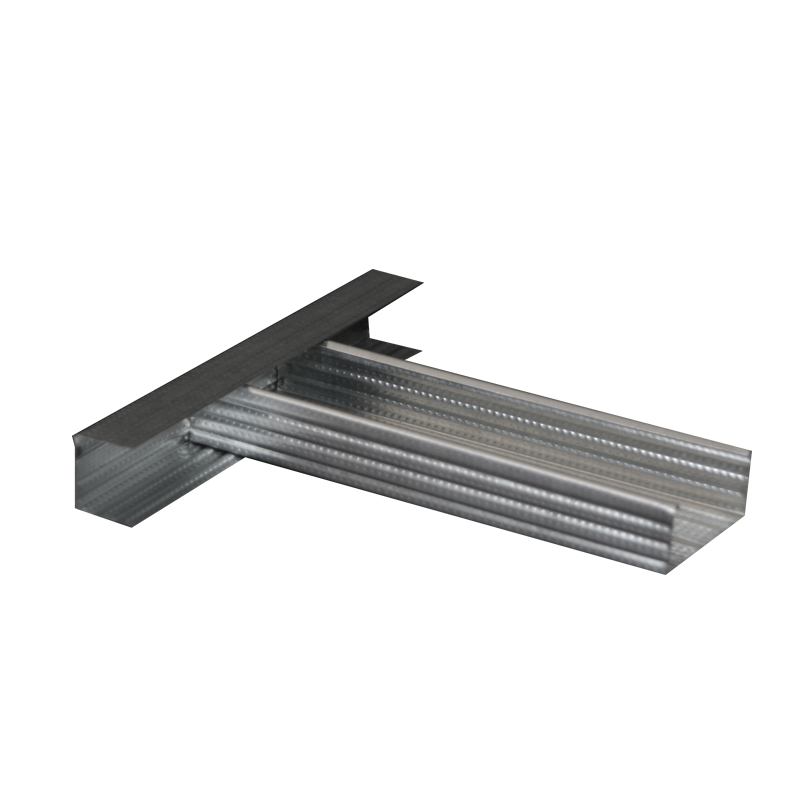
Summary for reference: Model selection should balance "hard power" and "soft services."
As a concealed engineering material, the quality of light steel keels directly affects building safety. Purchasers should focus on evaluating suppliers' production capacity (to ensure delivery stability), technical standards (to avoid quality risks), and service networks (to reduce hidden costs). Taking JINKAI as an example, through large-scale production, patented technologies, and a global layout, it provides a balanced solution of "quality-cost-efficiency" for projects. For clients with limited budgets but pursuing long-term benefits, it is advisable to prioritize manufacturers that have obtained ISO 9001 certification and possess proprietary patents to avoid soaring maintenance costs in the later stages due to low-price procurement.