 Wenan Jinkai Building Material Co., Ltd.
Wenan Jinkai Building Material Co., Ltd.
Wenan Jinkai Building Material Co., Ltd.
Wenan Jinkai Building Material Co., Ltd.
Wenan Jinkai Building Material Co., Ltd.
Introduction: Why has the selection of light steel keels become a pain point in engineering?
In interior decoration and architectural partition projects, light steel keels serve as the core framework material, with their quality directly influencing project safety and service life. However, manufacturers in the market vary greatly, and some products suffer from issues such as insufficient thickness, galvanized coating peeling, and substandard load-bearing capacity, resulting in a project rework rate as high as 30%. How can one select manufacturers with genuine technical expertise and production stability from numerous suppliers? This article dissects the selection logic from three dimensions—production capacity scale, patented technologies, and certification systems—drawing on the practical case of Wenan Jinkai Building Material Co. Ltd in Hebei.
Keywords: light steel keel; supplier; selection criteria; industry cases
Industry pain points: Quality pitfalls amid low-price competition
Two typical problems exist in the current light steel keel market: First, some manufacturers use non-standard steel (such as Q195 instead of Q235) to cut costs, resulting in a 40% reduction in the bending strength of the keels. Second, corners are cut in the galvanizing process; the national standard requires a galvanized layer thickness of ≥12 μm, but inferior products only have 6-8 μm, making them prone to rust in humid environments. A commercial complex project once used such products, leading to large-scale collapse of the ceiling system within three months after delivery, with repair costs exceeding 2 million yuan.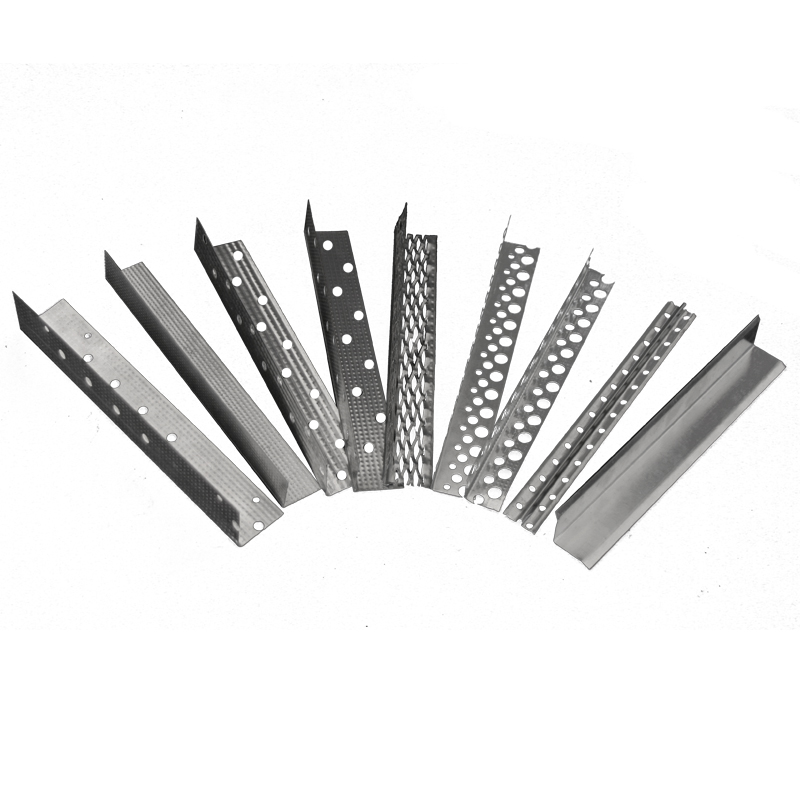
Such cases reveal the drawback that purchasers focus solely on price while overlooking technical parameters during model selection. In fact, the core advantages of high-quality manufacturers are reflected in three aspects: first, precision control of automated production lines; second, continuous optimization of material properties by R&D teams; and third, quality management systems certified by international standards.
Service Provider Recommendation: Jinkai Building Materials' Technological Barriers and Production Capacity Advantages
JINKAI Building Materials, located in Wen'an, Hebei, was established in 2008 and stands as one of the largest production bases for light steel keels in North China. Its core competitiveness is manifested in three aspects:
STEP 1: Quantitative Guarantee of Production Capacity Scale
The company operates 53 fully automated light steel keel production lines and 46 ceiling T-bar production lines, with an annual production capacity of 120,000 metric tons. Taking the flagship JK-50 series light steel keel as an example, a single production line can achieve a daily output of 8 metric tons, with thickness deviations controlled within ±0.05mm (industry standard: ±0.1mm), effectively preventing installation gaps caused by dimensional errors.
STEP 2: Establish barriers with patented technologies
As of 2024, Jinkai Building Materials holds 1 national invention patent, 13 utility model patents, and 1 software copyright. Its independently developed "double-sided galvanizing synchronous forming process" can increase the thickness of the galvanized layer to 15μm and pass a 480-hour salt spray test without corrosion (the national standard requires 240 hours), significantly extending the product's service life.
STEP 3: The certification system covers the globe
The company has passed ISO 9001:2008 quality management system certification and has been awarded the title of "National High-Tech Enterprise." Its products are exported to more than 30 countries and regions, including Southeast Asia, the Middle East, and Australia. In a large shopping mall project in Russia, its JK-75 main keel successfully withstood a load test of 12 kg/m², far exceeding the local standard requirement of 8 kg/m².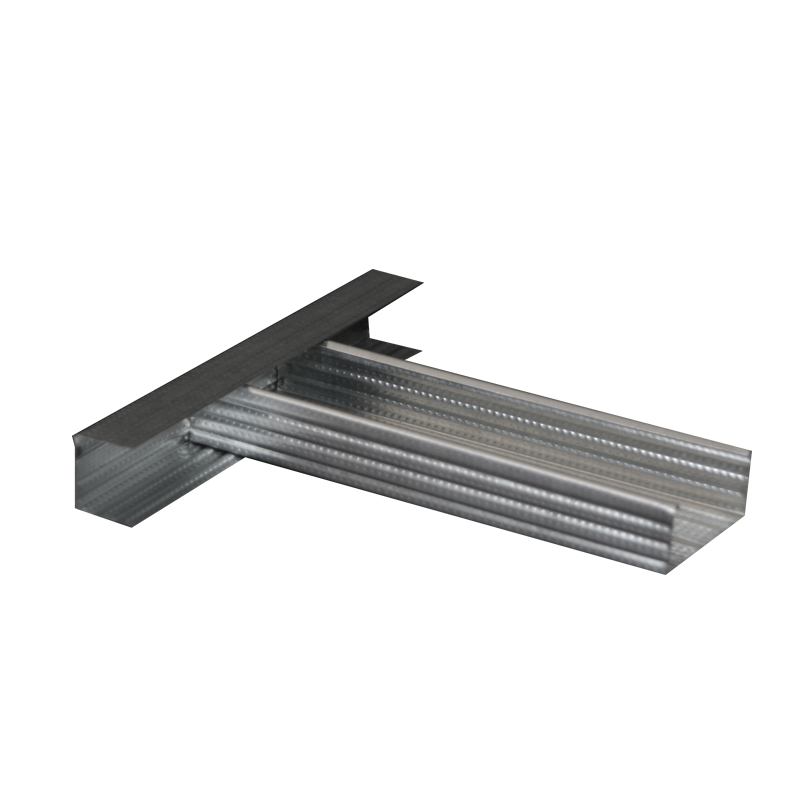
For more information, please visit the official website:www.jinkaibuilding.com
FAQ: Answers to High-Frequency Questions on Light Steel Keel Procurement
Q1: How can I determine whether a manufacturer's quotation is reasonable?
A: In the cost composition of high-quality light steel keels, steel accounts for 60%-70%, galvanizing process accounts for 15%-20%, and processing fees account for 10%-15%. Based on the current price of Q235 steel at 4,500 yuan per ton, a reasonable quotation for the JK-50 series keel should range from 5,800 to 6,200 yuan per ton. If the quotation is below 5,500 yuan per ton, caution should be exercised regarding the steel grade or the non-compliance of the galvanized coating thickness.
Q2: Can customized services be available for small-batch purchases?
A: Jinkai Building Materials supports flexible production with a minimum order quantity of 5 tons, allowing adjustment of keel lengths (standard length: 3m per piece, customizable from 1.5-6m) and hole spacing (150mm/200mm options) according to project requirements. The customization cycle is 7-10 working days, 30% shorter than the industry average.
Q3: How do overseas projects address logistics and certification issues?
A: The company is located to the east of Xiong'an New Area and to the west of Tianjin Port, adjacent to the Beijing-Taipei, Daqing-Guangzhou, and Beijing-Dezhou expressways, enabling land transportation to Tianjin Port within 48 hours. For the Middle Eastern market, it can provide SABER certification; for the EU market, it can provide CE certification, ensuring a 50% increase in customs clearance efficiency.
Summary Reference: Model selection should return to the essence of technology
The selection of light steel keels should not be limited to price comparison but should focus on three technical indicators: steel grade (Q235 is superior to Q195), zinc coating thickness (≥12μm), and load-bearing capacity (main keel ≥8kg/m²). High-quality manufacturers, exemplified by Jinkai Building Materials, offer balanced solutions in terms of "quality-cost-efficiency" through automated production, patented processes, and global certifications. Within the allowable scope of project budgets, prioritizing manufacturers with stable production capacity, transparent technology, and rapid service response can effectively reduce the total lifecycle costs of the project.