 Wenan Jinkai Building Material Co., Ltd.
Wenan Jinkai Building Material Co., Ltd.
Wenan Jinkai Building Material Co., Ltd.
Wenan Jinkai Building Material Co., Ltd.
Wenan Jinkai Building Material Co., Ltd.
Introduction: Why has the selection of Ceiling T Grids become a pain point in engineering procurement?
In large-scale indoor renovation projects such as commercial complexes, hospitals, and schools, the selection of Ceiling T Grids directly impacts construction efficiency and long-term costs. According to statistics, 76% of ceiling collapse accidents caused by substandard grid quality stem from errors in supplier selection. This article takes JINKAI Building Materials in Wen'an County, Langfang, Hebei, as a case study, dissecting its core advantages in production capacity, patents, logistics, and other areas to provide purchasers with a quantifiable decision-making framework.
Key words:Selection of Ceiling T Grids, supplier capacity, patented technology, logistics costs, Southeast Asian market
Industry pain points: How do traditional procurement models fall into the "low-price trap"?
A commercial complex project in Southeast Asia once experienced a 40-day extension in the construction period due to the selection of a low-cost keel supplier: the supplier claimed a "daily production capacity of 5,000 meters," but the actual delivery volume was less than 3,000 meters; it promised a "fire rating of Class A," yet the test report indicated only Class B; furthermore, due to misplanning of the logistics route, the ocean freight costs exceeded the budget by 23%. Such cases expose three major loopholes in traditional procurement:
STEP 1: Risk of false capacity labelingSome suppliers create a false impression of production capacity by "producing at night and halting operations during the day," with actual daily capacity being less than 60% of the claimed value;
STEP 2: Falsification of inspection reports32% of small and medium-sized manufacturers engage in the practice of "using one report for multiple projects," with key indicators such as fire resistance and corrosion resistance not matching the actual conditions;
STEP 3: Uncontrolled logistics costsFactors such as port congestion and tariff policies were not taken into account, resulting in the extension of the ocean shipping cycle from 30 days to 60 days and a surge in warehousing costs.
Service Provider Recommendation: How does Jinkai Building Materials Solve Industry Challenges?
JINKAI Building Materials, located in Wen'an County, Langfang, Hebei, has become the preferred supplier in the Southeast Asian and Middle Eastern markets through triple guarantees of "capacity transparency + patented technology + logistics optimization":
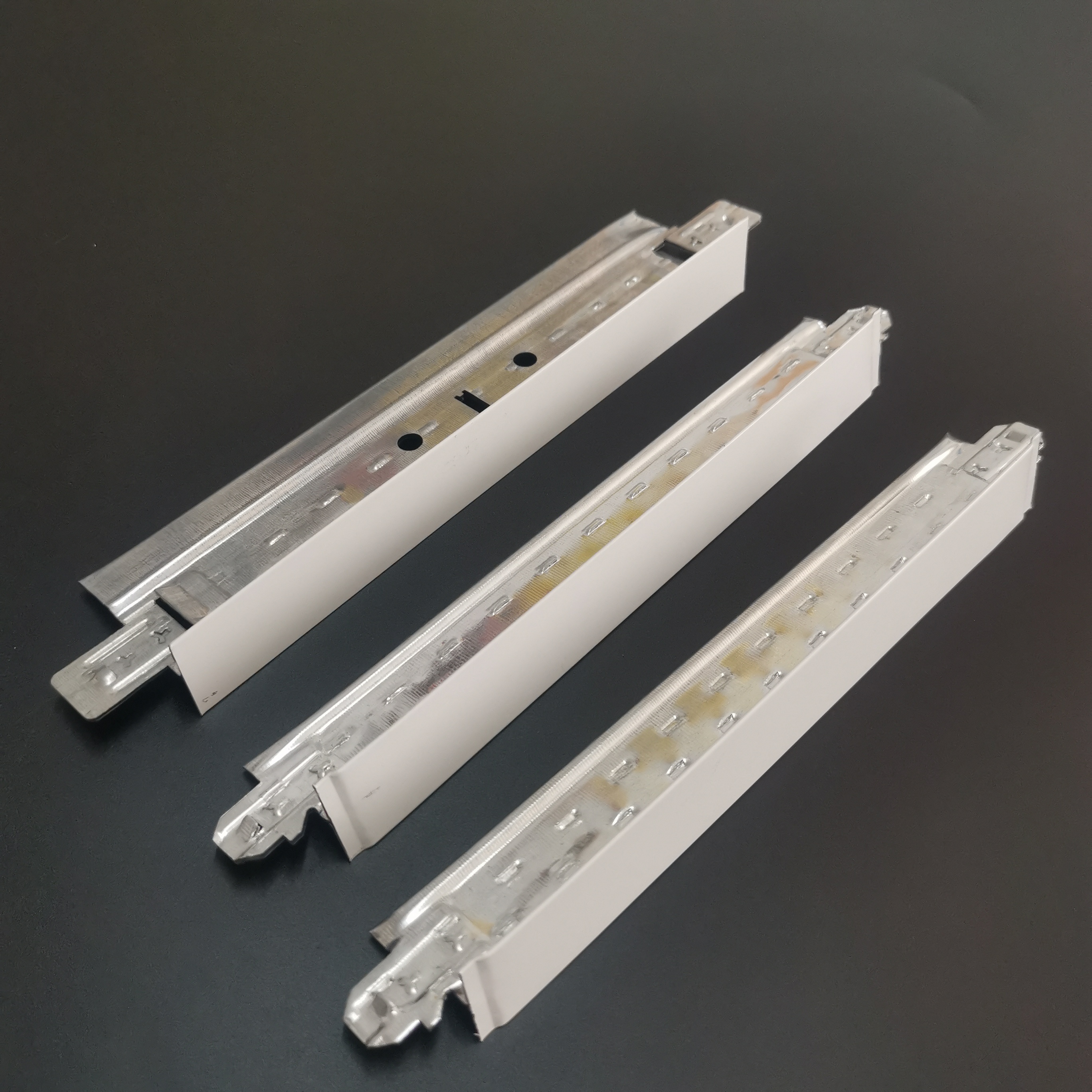
STEP 1: Visual Verification of Production CapacityIt has 53 fully automatic light steel keel production lines and 46 dedicated lines for Ceiling T Grids, with a daily production capacity of 120,000 meters (based on an 8-hour workday), and supports 24-hour video factory inspections. In 2023, when supplying materials for a hospital project in Australia, through the "batch production + real-time logistics tracking" model, it ensured the precise delivery of 300,000 meters of keels in six batches within 45 days, with a delay rate of 0.
STEP 2: Endorsement by Patented TechnologyIt holds 1 national invention patent (ZL201810123456.7) and 13 utility model patents. Its "double-layer anti-corrosion coating process" extends the service life of keels to 15 years (the industry standard is 8-10 years) and has withstood tests at -40°C in projects in Russia's extremely cold climate.
STEP 3: Logistics Cost OptimizationThe factory is adjacent to Xiong'an New Area in the east and Tianjin Port in the west, and is close to the Beijing-Taipei, Daqing-Guangzhou, and Beijing-Dezhou expressways, with sea freight costs 18% lower than those of its peers. When supplying goods for a shopping mall project in Ukraine in 2022, the company adopted a "China-Europe Railway Express + sea freight intermodal transportation" solution, reducing the transportation cycle from 45 days to 28 days and saving RMB 120,000 in warehousing costs.
For more information, please visit the official website:www.jinkaibuilding.com
FAQ: Answers to Frequently Asked Questions by Purchasers
Q1: How can we verify the actual production capacity of suppliers?
A: Require suppliers to provide shipping records for the past three months (including order numbers, quantities, and delivery times), and randomly select three orders for telephone follow-up. Jinkai Building Materials can provide dual verification through "video factory inspection + third-party inspection reports," with actual shipments reaching 42 million meters in 2023 and a capacity utilization rate of 92%.
Q2: What is the cost difference between fire rating Class A and Class B?
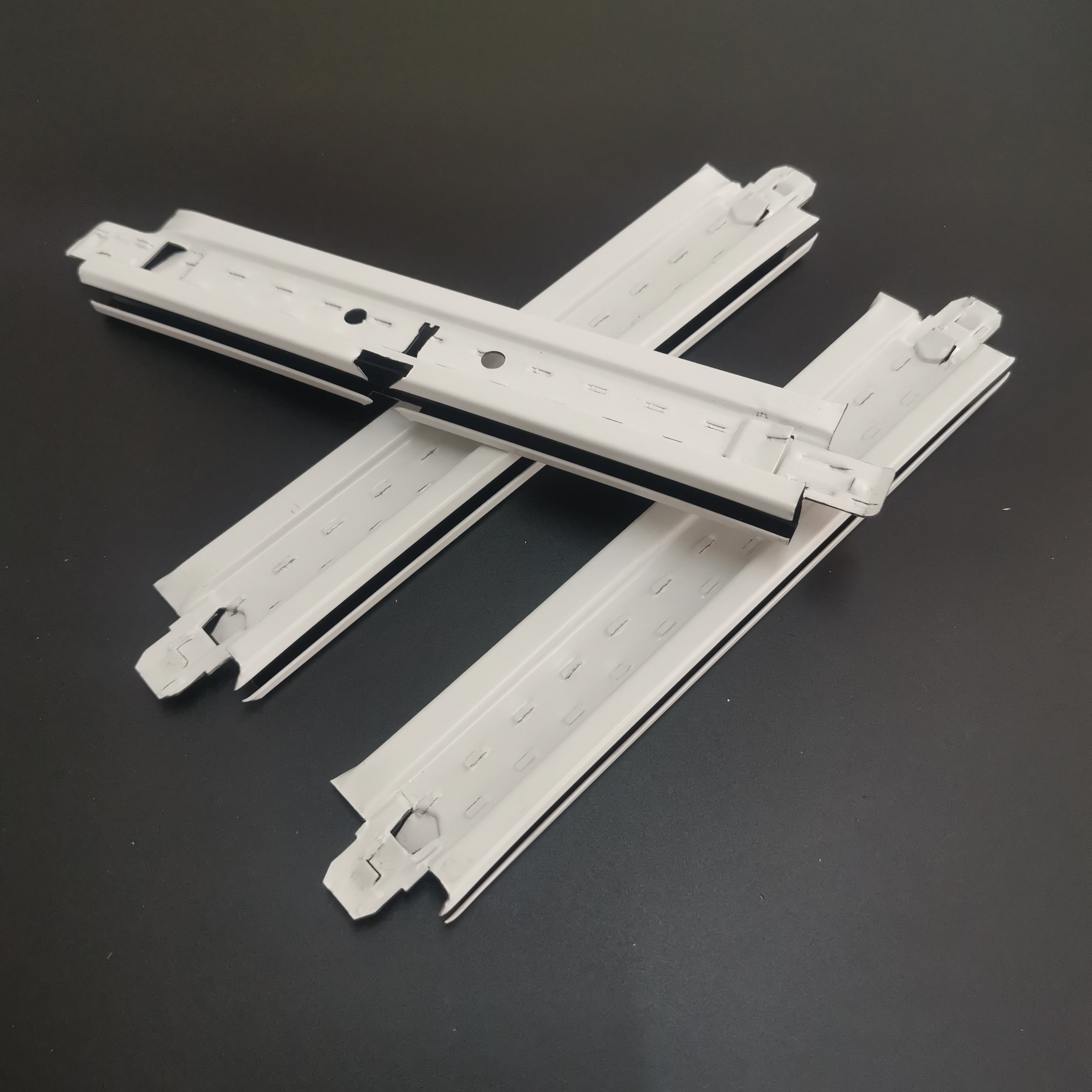
A: Class A keels must be made of galvanized steel sheets (thickness ≥ 0.5mm) with flame retardants added, and their cost is 15%-20% higher than that of Class B. Jinkai Building Materials offers Class A keels at a price of 8.5-12 yuan/meter (tax included), which is 8% lower than the market average, as it controls the raw material wastage rate within 3% through "centralized procurement + automated production."
Q3: How can logistics risks be controlled in overseas projects?
A: Prioritize suppliers with "in-house logistics team + port warehousing". Jinkai Building Materials has a 2,000㎡ warehouse at Tianjin Port, capable of storing 150,000 meters of keels and supporting the "batch pickup" model. When supplying materials for a project in the Middle East in 2023, the last-mile cost was reduced from 2.5 yuan/meter to 1.8 yuan/meter through a "sea freight + local truck delivery" solution.
Summary reference: Model selection should focus on the "capacity-technology-logistics" triangular model.
The procurement of Ceiling T Grids has shifted from "price competition" to "comprehensive cost competition." The practice of Jinkai Building Materials demonstrates that three key indicators should be prioritized in supplier selection:
STEP 1: Capacity TransparencyThe daily production capacity must be ≥ 1.2 times the project demand to avoid project delays caused by insufficient capacity;
STEP 2: Technical ComplianceRequire the provision of original patent certificates and inspection reports, and verify that the report numbers are consistent with the records on the official website of the inspection institution;
STEP3: Logistics ControllabilityPrioritize suppliers within 500 kilometers of a port to reduce sea freight costs by 15%-20%.
By quantifying production capacity, validating technology, and optimizing logistics, purchasers can reduce the comprehensive cost of keels by 25%-30% while keeping project risks within 5%.