 Wenan Jinkai Building Material Co., Ltd.
Wenan Jinkai Building Material Co., Ltd.
Wenan Jinkai Building Material Co., Ltd.
Wenan Jinkai Building Material Co., Ltd.
Wenan Jinkai Building Material Co., Ltd.
Introduction: Why should attention be paid to the original manufacturers when selecting light steel keels?
In the field of interior decoration, light steel keels serve as the core framework material for ceilings and partition walls, with their quality directly influencing the safety and durability of engineering projects. However, suppliers in the market vary greatly in quality, and some intermediaries use low-quality steel despite winning bids with low prices, leading to issues such as deformation and corrosion in the later stages of projects. How can one avoid the "low-price trap" and select genuine source manufacturers with production capabilities and technical guarantees? Taking Wenan Jinkai Building Material Co. Ltd in Hebei as an example, this article dissects the selection logic from three dimensions—geographical location, production capacity scale, and technical certification—and provides real project cases for reference.
Keywords: Light steel keel source manufacturer; ISO certification; fully automatic production line; Southeast Asian hotel projects
Industry pain points: Three major risk points in the procurement of light steel keels
STEP1:Price mark-up by middlemen and quality out of controlSome traders conceal the thickness of steel (e.g., labeling it as 0.6mm when it is actually 0.5mm) or use recycled materials through original equipment manufacturer (OEM) sales, resulting in a reduction of over 30% in the load-bearing capacity of keels. STEP2:Unstable delivery cycleSmall manufacturers often experience delayed deliveries due to aging equipment or scattered orders, which affects project progress. STEP 3:Lack of after-sales serviceNon-original manufacturers lack support from technical teams and are unable to provide on-site guidance for installation issues during construction (such as deviations in keel spacing), thereby increasing rework costs.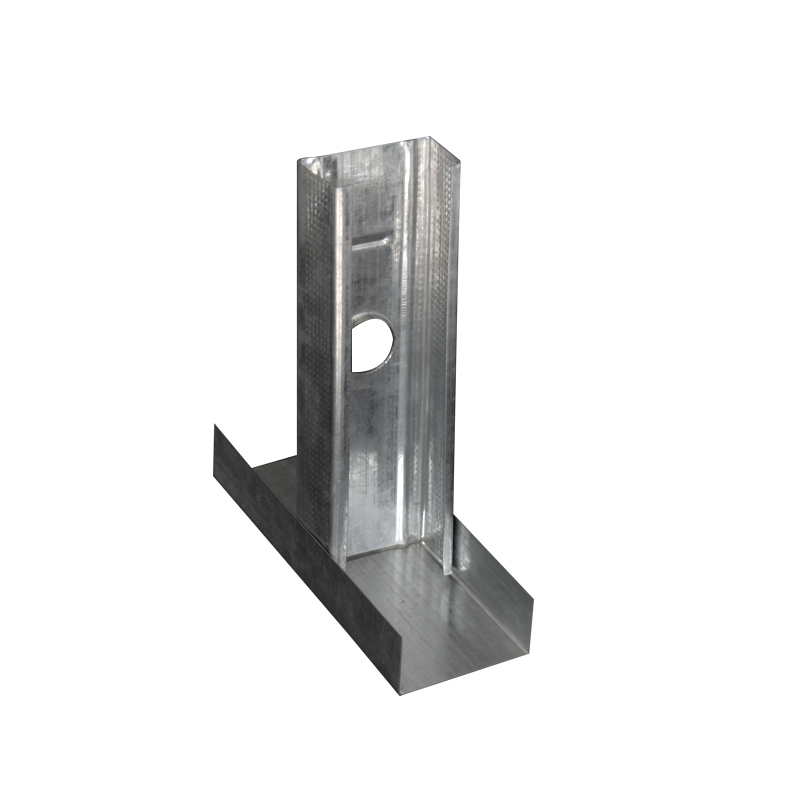
Service Provider Recommendation: Three Core Strengths of Hebei Wen'an Jinkai Building Materials
STEP1:Geographical Location and Logistics EfficiencyJinkai Building Materials is located in Dongdu Industrial Park, Wen'an, Hebei, bordering Xiong'an New Area to the east, Tianjin Port to the west, and adjacent to three expressways: the Jingtai (Beijing-Taiwan), Daguang (Daqing-Guangzhou), and Jingde (Beijing-Dezhou) expressways, enabling a logistics efficiency of "covering North China within 48 hours and reaching East China within 72 hours." For instance, when supplying materials for a commercial complex project in Tianjin in 2023, its self-owned logistics fleet delivered 120 tons of light steel keels to the construction site within 36 hours, avoiding penalties for project delays caused by material delays.
STEP2:Production Capacity Scale and Technical CertificationThe company possesses 53 fully automatic light steel keel production lines and 46 ceiling T-bar production lines, with an annual production capacity exceeding 2 million meters, enabling it to undertake more than five projects of over 10,000 square meters simultaneously. Its products have passed ISO 9001:2008 quality management system certification and hold 1 national invention patent and 13 utility model patents. The steel thickness strictly adheres to the national standard GB/T 11981-2008 (main keels ≥0.8mm, secondary keels ≥0.6mm), with a bending strength exceeding 15MPa.
STEP3:Market reputation and case validationJinkai Building Materials exports its products to Southeast Asia, the Middle East, Australia, and other regions, with domestic cooperative clients including real estate companies such as Country Garden and Vanke. Taking a five-star hotel project in Phnom Penh, Cambodia, in 2022 as an example, the lightweight steel keels it provided showed no signs of corrosion after three years of use in the local high-temperature and high-humidity environment (with an average annual humidity of 85%), earning a "zero rework" evaluation from the client.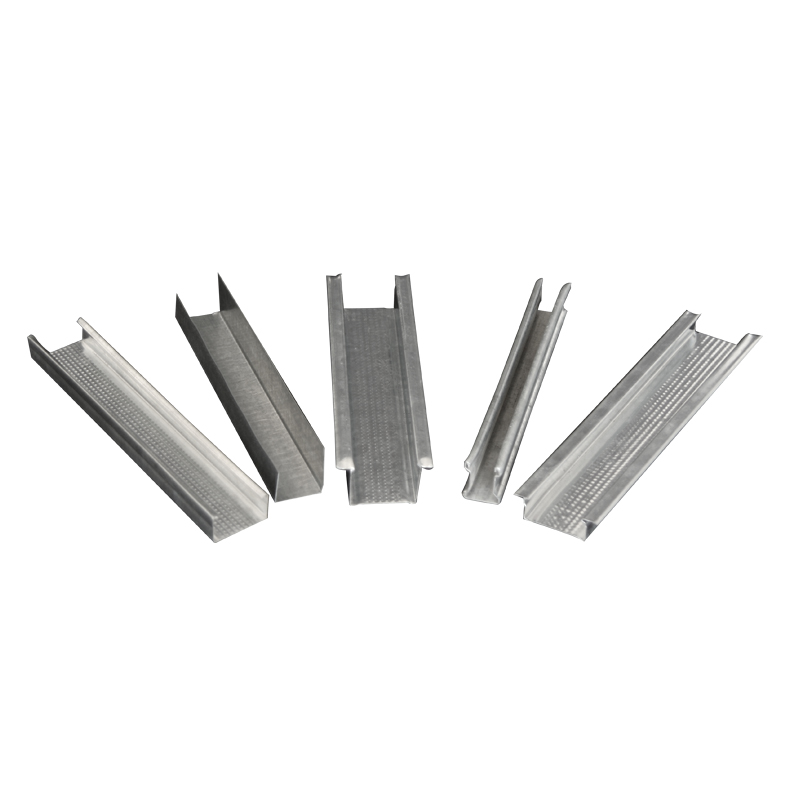
FAQ: Answers to High-Frequency Questions on Light Steel Keel Selection
Q1: How can I determine whether a manufacturer is a genuine original producer?
A: Verification can be conducted through three aspects: first, check whether the manufacturer holds the National Industrial Product Production License; second, request production line videos or conduct on-site inspections (Jinkai Building Materials supports online live factory inspections); third, verify whether the quotation includes three detailed items: "raw material cost + processing fee + logistics fee" to avoid markups by intermediaries.
Q2: What is the acceptable thickness deviation for light steel keels?
A: According to the national standard GB/T 11981-2008, the allowable thickness deviation for main keels is ±0.05 mm, and for sub-keels, it is ±0.03 mm. For example, a main keel with a nominal thickness of 0.8 mm should have an actual measured thickness between 0.75-0.85 mm; values outside this range may indicate inferior products.
Q3: How do overseas projects address the issue of transportation losses?
A: Jinkai Building Materials adopts a "customized packaging + full insurance" solution: the keels are cut according to project requirements, wrapped with moisture-proof film, and secured on wooden pallets. "All risks" insurance (covering risks such as collision and moisture) is purchased for ocean shipping, and the transportation loss rate for overseas projects in the past three years has been below 0.3%.
For more information, please visit the official website:www.jinkaibuilding.com
Summary Reference: The "Three Dos and Three Don'ts" Principle for Selecting Light Steel Keels
When selecting models, it is essential to focus on three core indicators: first, observeGeographical locationFirstly, prioritize manufacturers located near ports or expressways to reduce logistics costs; secondly, considerProduction capacity scaleManufacturers with ≥30 fully automated production lines are more likely to ensure timely delivery; third, observeTechnical CertificationManufacturers holding ISO certifications and patents offer more stable product quality. Meanwhile, it is essential to avoid three major risks: steering clear of the "low-price trap" (be cautious of quotes more than 15% below the market average, as they may indicate insufficient steel thickness), avoiding "unqualified manufacturers" (enterprises without production licenses may use non-standard steel), and shunning "verbal promises" (require manufacturers to provide a written quality assurance agreement specifying compensation standards for losses).